Gold Prices Decline as Markets Monitor U.S.-Iran Tensions and Inflation Data
Gold prices moved lower on Tuesday as investors closely watched the fragile ceasefire between the United States and Iran while preparing for a highly anticipated meeting between President Donald Trump and Chinese President Xi Jinping later this week.
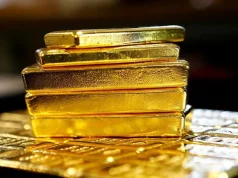
Spot gold dropped 0.9% to $4,691.71 per ounce by 09:48 ET (13:48 GMT), while U.S. gold futures declined 0.6% to $4,698.32 per ounce.
The precious metal came under pressure as geopolitical uncertainty, rising oil prices and inflation concerns continued to influence market sentiment.
Trump Raises Doubts Over Iran Ceasefire
President Donald Trump criticized Iran’s response to a U.S.-supported peace proposal, calling it a “piece of garbage” and warning that the ceasefire was at risk of collapsing.
Trump described the fragile truce as being on “massive life support,” raising fears that tensions in the Gulf region could escalate again after weeks of indirect negotiations.
Iran responded by stating that its military was prepared to react strongly to any “act of aggression.” Iranian officials also defended Tehran’s key demands, including sanctions relief, the restoration of oil exports and recognition of its sovereignty over the Strait of Hormuz.
Oil Prices Stay Elevated Amid Supply Fears
Oil prices remained high on Tuesday as traders worried about potential disruptions to shipping through the Strait of Hormuz, one of the world’s most important routes for crude oil transportation.
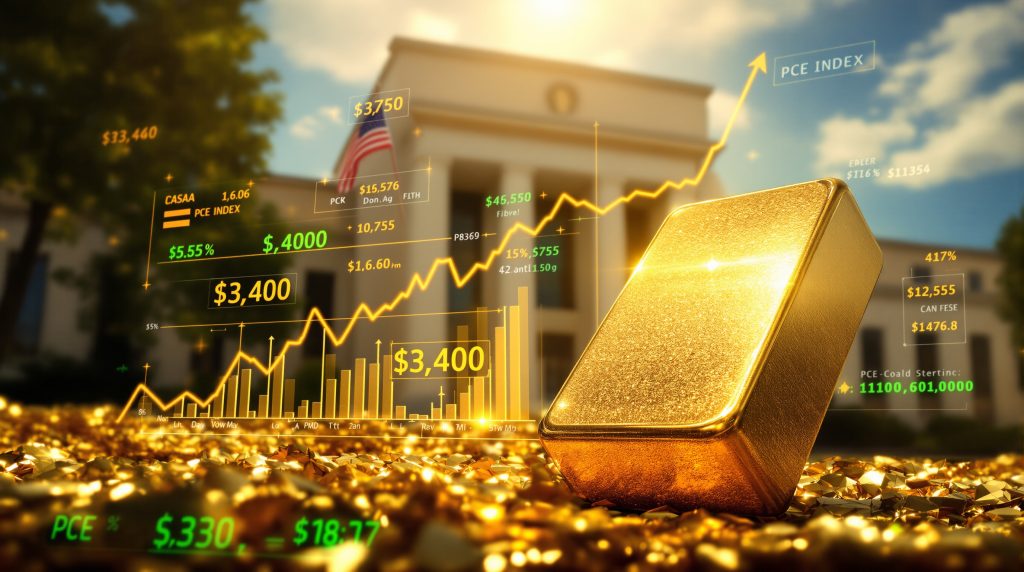
Higher energy prices have limited gold’s upside momentum because investors fear persistent inflation could force the Federal Reserve to keep interest rates elevated for longer.
Traditionally, higher interest rates reduce the attractiveness of non-yielding assets such as gold.
Stronger U.S. Dollar Pressures Gold
The U.S. dollar also strengthened as investors continued to view the greenback as a safe-haven asset during the ongoing geopolitical uncertainty.
Some analysts believe the U.S. economy could be relatively protected from a major energy shock due to the country’s position as a significant energy exporter.
A stronger dollar often weighs on gold prices because it makes bullion more expensive for international buyers.
Analysts at ING noted that gold typically performs best during financial crises or periods of slowing economic growth when real yields decline and the U.S. dollar weakens.
Trump-Xi Meeting in Focus
Markets are also closely watching the upcoming meeting between Donald Trump and Chinese President Xi Jinping in Beijing later this week.
The discussions are expected to cover several major geopolitical and economic topics, including Iran, Taiwan, trade tensions, artificial intelligence and global energy security.
Investors hope the meeting could provide more clarity on the direction of international relations and global markets.
Inflation Data and Federal Reserve Outlook
Attention is also shifting toward fresh U.S. inflation data after consumer prices rose more than expected in April, largely due to elevated gasoline costs.
Although gasoline inflation has started to cool slightly, analysts remain focused on whether the Iran-related energy shock could continue pushing prices higher across the broader economy.
The inflation outlook is especially important for Federal Reserve policy expectations. Markets widely expect the Fed to leave interest rates unchanged for now, particularly after recent strong labor market data reduced pressure for immediate rate cuts.