Iran Downplays Trump’s Rejection of Tehran Peace Proposal
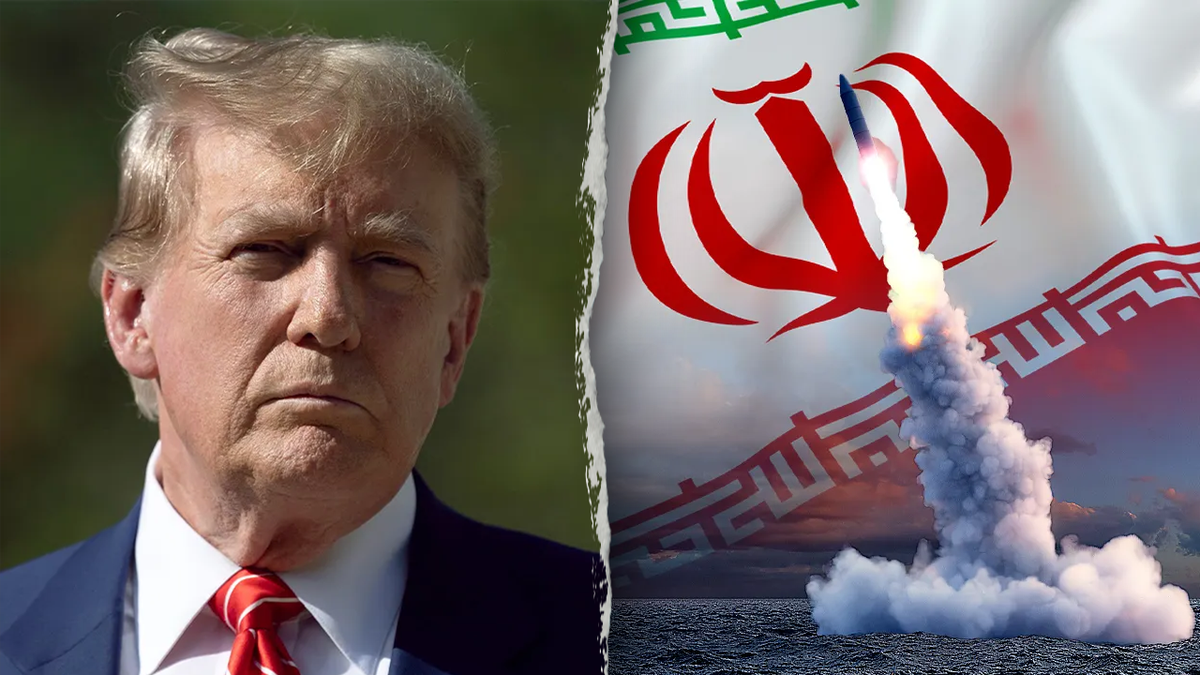
Iran has sought to minimize the significance of President Donald Trump rejecting Tehran’s response to a U.S.-backed peace proposal, according to a report from The Wall Street Journal.
Speaking to Iranian media, Foreign Ministry spokesperson Esmail Baghaei said Iran was not concerned with “the satisfaction of others” and would continue pursuing its national interests through either diplomacy or military resistance if necessary.
Baghaei added that Tehran remains committed to defending what it described as its “legitimate rights” while acting “with goodwill and in a reasonable manner.”
Iran Responds to U.S. Peace Plan
According to Iranian state television, Tehran recently submitted a formal response to a U.S. proposal aimed at ending the conflict that has now lasted for more than two months.
Iran’s proposal reportedly focused on ending hostilities across all active fronts while also demanding compensation for damages caused during the war.
Iran additionally reiterated its control over the Strait of Hormuz, one of the world’s most strategically important oil shipping routes located off the country’s southern coast.
Roughly 20% of global oil supplies pass through the Strait of Hormuz, which has remained largely closed during the conflict and is currently blockaded by both U.S. and Iranian forces.
Iran Signals Flexibility on Nuclear Program Timing
During an interview with Iranian state broadcaster IRIB, Baghaei indicated that Tehran could potentially delay major decisions regarding its nuclear program if doing so would help secure a faster end to the conflict.
The comments suggest Iran may still be open to future negotiations despite the latest diplomatic tensions.
Shortly after Iran’s counterproposal became public, President Trump reacted strongly on social media, describing the response as “TOTALLY UNACCEPTABLE.”
The White House did not provide additional details regarding the specific objections to Iran’s proposal.
U.S. Continues Pursuing Diplomatic Solution
The United States has been pushing for a rapid ceasefire agreement before moving into broader negotiations surrounding major geopolitical issues, particularly Iran’s nuclear ambitions.
Analysts at Vital Knowledge said the White House still appears reluctant to escalate the conflict further and is likely to continue steering negotiations toward a diplomatic settlement.
Oil Prices Stay Elevated Amid Conflict
Oil markets remained under pressure on Monday as geopolitical tensions continued supporting higher crude prices.
Brent crude futures, the global oil benchmark, traded above $100 per barrel as investors worried about potential supply disruptions and escalating tensions in the Middle East.
The sharp rise in oil prices since the conflict began has increased concerns over rising global inflation, higher energy costs, and slower economic growth worldwide.