UK House Prices Slip as Iran Conflict Weighs on Buyer Confidence
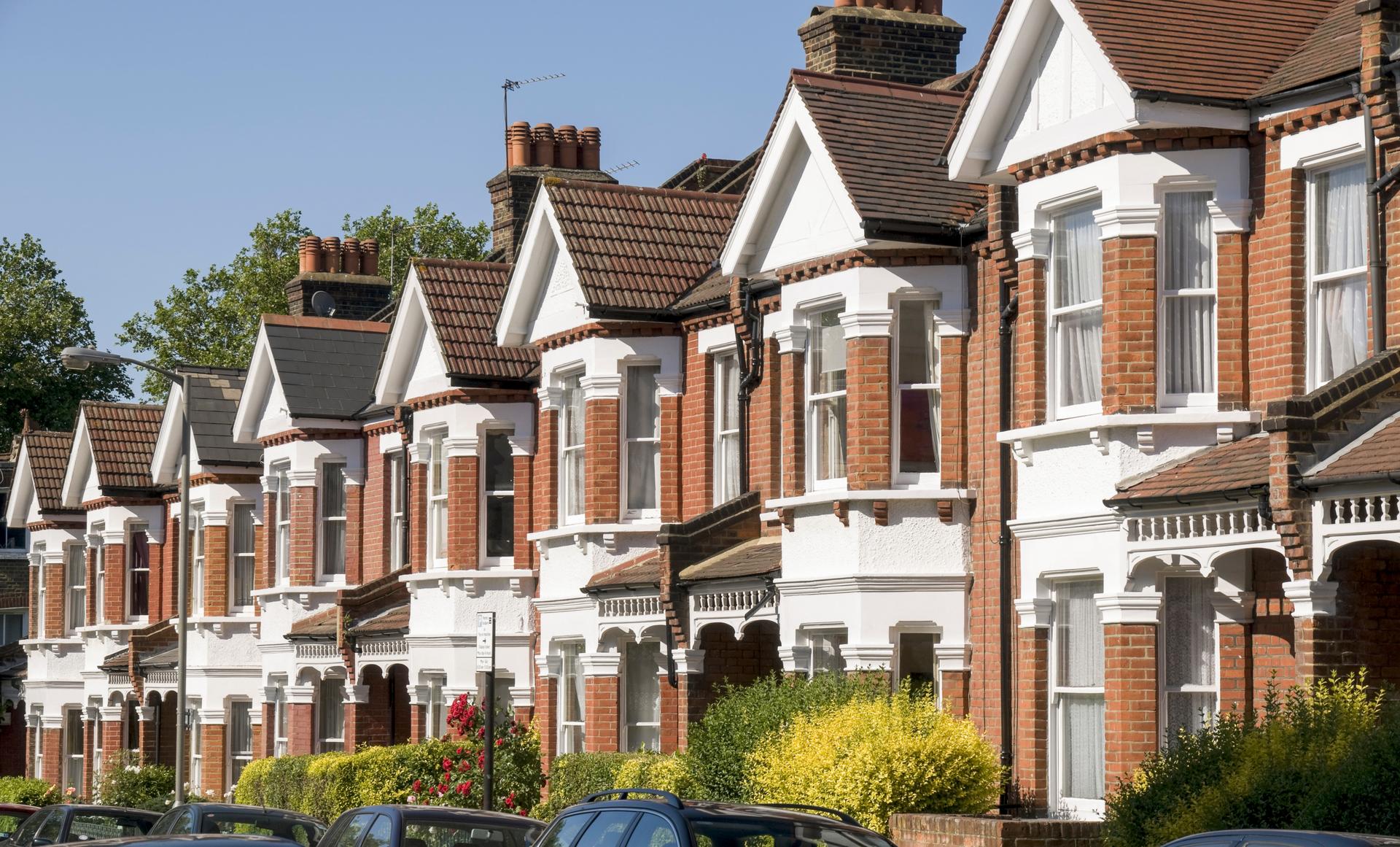
British house prices declined again in April as concerns surrounding the ongoing conflict in Iran weakened buyer demand and increased uncertainty across the housing market, according to new data released by mortgage lender Halifax on Friday.
The report showed that UK house prices fell 0.1% in April following a 0.5% monthly decline in March.
On an annual basis, house prices increased just 0.4%, marking the slowest yearly growth rate since December.
Housing Market Growth Continues to Slow
In March, annual house price growth had stood at 0.8%, highlighting a noticeable slowdown in market momentum over recent months.
Economists surveyed by Reuters had expected a monthly decline of 0.1% in April and an annual increase of 0.6%.
The latest figures suggest that rising geopolitical uncertainty and higher borrowing costs are beginning to weigh more heavily on the UK property market.
Rising Energy Prices Add Pressure
Amanda Bryden, head of mortgages at Halifax, said recent global developments have created additional uncertainty for the housing market after a relatively strong start to the year.
She noted that higher energy prices linked to geopolitical tensions have increased inflation expectations and forced financial markets to reassess the future path of interest rates.
According to Halifax, the shift in market expectations has already pushed borrowing costs higher for many homebuyers.
Bank of England Interest Rate Outlook Remains in Focus
The Bank of England kept interest rates unchanged at 3.75% during its latest policy meeting last week.
However, financial markets are increasingly expecting additional rate increases, with investors currently pricing in two quarter-point hikes by the end of 2026.
Higher mortgage costs and persistent inflation concerns could continue to pressure housing demand in the coming months.