U.S. Dollar Strengthens Amid Geopolitical Tensions and Rate Decisions
The United States dollar moved higher on Tuesday as investors weighed ongoing tensions between the U.S. and Iran alongside a busy week of central bank policy decisions.
By 08:35 ET (12:35 GMT), the U.S. Dollar Index (DXY)—which tracks the greenback against a basket of major currencies—rose 0.3% to 98.76.
U.S.-Iran Deadlock Weighs on Market Sentiment
Recent developments suggest a stalemate in negotiations between Washington and Tehran. Reports indicate that Donald Trump was dissatisfied with Iran’s proposal to resolve the conflict, which included reopening the strategically vital Strait of Hormuz while delaying discussions on nuclear capabilities.
The issue of Iran’s nuclear program remains central to U.S. policy, and disagreements have stalled progress. Over the weekend, planned diplomatic talks were canceled, further reducing hopes for a near-term resolution.
Strait of Hormuz Disruption Drives Oil Prices Higher
The ongoing tensions have severely disrupted shipping through the Strait of Hormuz, a critical global oil transit route responsible for roughly 20% of the world’s supply.
As a result, oil prices have surged well above pre-conflict levels, fueling concerns about a potential energy-driven inflation shock. Higher energy costs could force central banks to maintain tighter monetary policy, supporting the U.S. dollar.
Japanese Yen Steady After Bank of Japan Decision
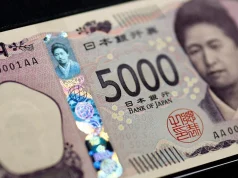
The Japanese yen remained relatively stable, with the USD/JPY pair hovering around 159.50 after the Bank of Japan kept interest rates unchanged at 0.75%.
However, the decision revealed internal divisions, as three policymakers pushed for a rate increase. The central bank also signaled a more hawkish stance by raising its inflation outlook and lowering growth forecasts.
Analysts suggest that rising oil prices and strong equity markets in Japan could continue to weigh on the yen, with expectations building for a potential rate hike in the coming months.
Global Central Banks in Focus
Markets are now closely watching upcoming policy announcements from major central banks, including the Federal Reserve, the Bank of England, and the European Central Bank.
In currency markets, the euro slipped 0.3% to $1.1696, while the British pound declined 0.4% to $1.3492, reflecting broader dollar strength amid global uncertainty.