Asian Currencies Weaken as Dollar Gains Strength
Most Asian currencies moved lower on Friday, while the U.S. dollar strengthened and remained on track for solid weekly gains. Ongoing uncertainty surrounding the U.S.-Iran conflict boosted demand for the greenback as a safe-haven asset.
Regional currencies faced pressure due to declining risk appetite, with markets increasingly doubtful about the likelihood of near-term peace talks between the United States and Iran.
Inflation Concerns and Fed Outlook Support Dollar
Fears that rising energy prices could drive inflation higher and force global central banks to maintain a hawkish stance also weighed on Asian currencies. At the same time, the dollar benefited from reduced expectations of imminent interest rate cuts by the Federal Reserve.
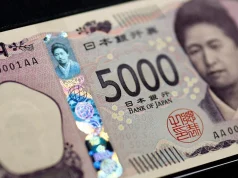
Japanese Yen Falls Despite Strong Inflation Data
The Japanese yen weakened even after stronger-than-expected inflation data for March. Investors remained convinced that the Bank of Japan is unlikely to raise interest rates at its upcoming meeting.
The USD/JPY pair rose nearly 0.2%, staying close to its weakest levels since July 2024.
Rising fuel and transportation costs, partly driven by tensions in the Middle East, contributed to higher inflation. However, ongoing government subsidies in Tokyo helped offset much of the increase in consumer prices.
BOJ Policy Decision in Focus
The inflation data arrives just days before the Bank of Japan’s policy meeting, where rates are widely expected to remain unchanged. Analysts at Capital Economics suggest that while no immediate move is expected, the central bank may signal a potential rate hike later this year, with June seen as a possible timeline.
Dollar Heads for Strongest Week Since March
The U.S. dollar index and its futures edged higher during Asian trading hours and were up დაახლოებით 0.8% for the week, marking their strongest performance since early March.
The dollar’s strength was largely driven by safe-haven demand, as markets saw little chance of a quick resolution to tensions involving Iran.
Geopolitical Tensions Keep Markets on Edge
Although the United States extended a ceasefire with Iran earlier this week, hostilities continued in key areas. Iran reportedly maintained attacks on vessels in the Strait of Hormuz, while the U.S. upheld its naval presence in the region.
Donald Trump stated that he is in no hurry to end the conflict, even as Israel and Lebanon agreed to prolong their ceasefire by three weeks.
Asian FX Under Broad Pressure
Concerns over rising oil prices and their inflationary impact continued to support the dollar, as investors anticipated tighter monetary policy globally—a scenario that typically favors the greenback.
The Chinese yuan weakened, with the USD/CNY pair rising nearly 0.2% and heading for modest weekly gains.
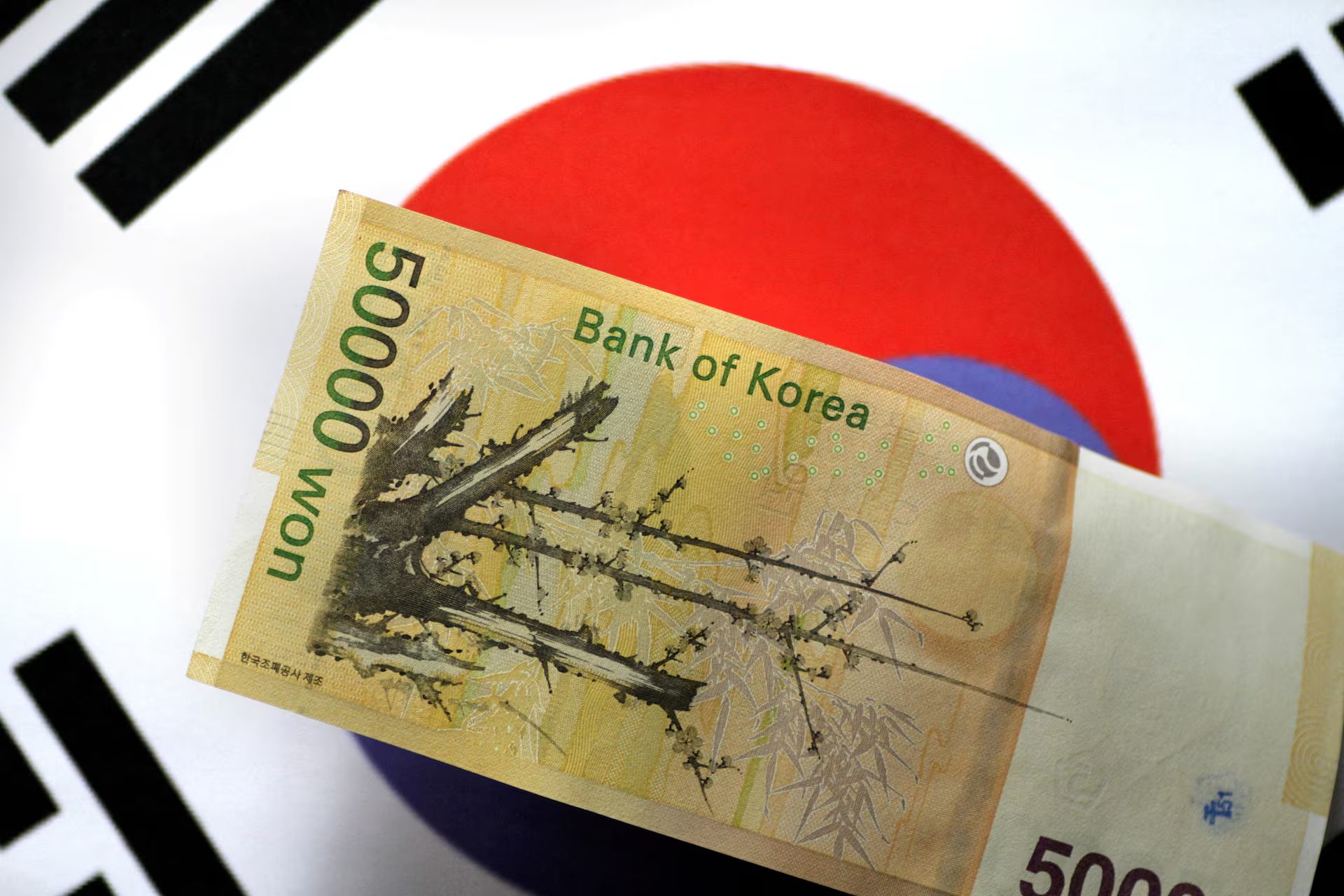
Similarly, the Singapore dollar and South Korean won also declined, with USD/SGD and USD/KRW pairs ticking higher.
The Australian dollar remained largely unchanged, while the Indian rupee weakened further. The USD/INR pair rose about 0.2%, moving above the 94 level and nearing recent record lows.
Indian Rupee Pressured by Oil Prices
The Indian rupee came under additional pressure after the central bank eased certain measures aimed at supporting the currency earlier in the week. Higher oil prices remained a key concern, given India’s heavy reliance on energy imports.