Asian Currencies Weaken as Dollar Strengthens
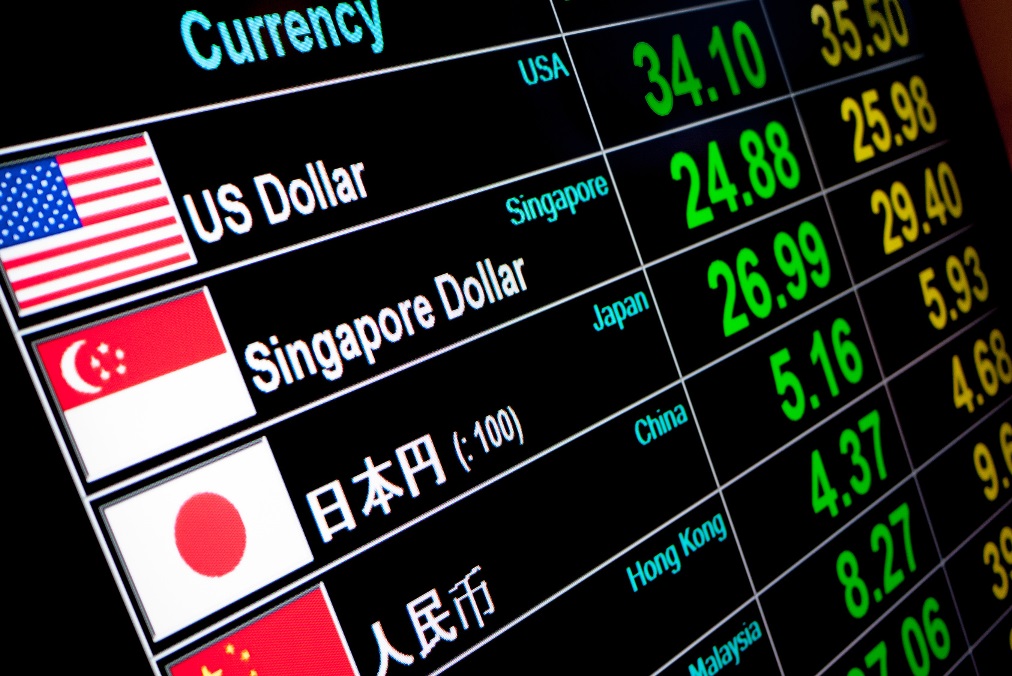
Most Asian currencies declined on Thursday, weighed down by a stronger U.S. dollar as uncertainty surrounding potential U.S.-Iran negotiations and fading expectations of interest rate cuts pushed investors toward the greenback.
Risk-sensitive currencies across the region moved lower, while the dollar benefited from increased safe-haven demand amid ongoing tensions in the Middle East.
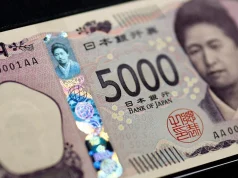
Yen Stands Out Ahead of BOJ Decision
The Japanese yen emerged as an exception, showing relative stability during the session. Reports suggest that the Bank of Japan is likely to keep interest rates unchanged at its upcoming meeting, while signaling a possible rate hike later this year.
Dollar Gains on Safe-Haven Demand and Rate Outlook
The U.S. dollar index and its futures edged up by around 0.1% in Asian trading, reaching their highest levels since April 10.
Investor demand for the dollar increased as concerns grew over stalled diplomatic efforts between Washington and Tehran. Disagreements over the Strait of Hormuz and the ongoing U.S. naval blockade of Iran have kept tensions elevated, despite an extended ceasefire.
The dollar was further supported by expectations that the Federal Reserve will keep interest rates unchanged for an extended period.
Fed Policy Expectations Remain Hawkish
Comments from Kevin Warsh reinforced this outlook, as he indicated no commitment to rate cuts and emphasized the central bank’s independence. Warsh is widely viewed as a more hawkish candidate, having previously advocated for reducing the Fed’s balance sheet.
A recent Reuters survey also showed that investors expect no rate cuts for at least the next six months.
Economic Data in Focus
Markets are now turning attention to upcoming U.S. economic data, including weekly jobless claims and purchasing managers’ index (PMI) figures, for further insights into the health of the world’s largest economy.
Regional Currency Performance Mixed
Across Asia, currency movements reflected broader uncertainty linked to the Iran conflict.
The Japanese yen remained steady, with USD/JPY trading near 159.53. Expectations of future tightening by the Bank of Japan, combined with stronger-than-expected PMI data showing improved manufacturing activity, provided some support.
The South Korean won weakened slightly, with USD/KRW rising 0.2%, despite better-than-expected first-quarter GDP growth driven by strong semiconductor exports. However, weaker domestic demand limited overall support for the currency.
The Singapore dollar also edged lower, while the Chinese yuan remained largely unchanged.
Indian Rupee and Australian Dollar Slip
The Indian rupee weakened, with USD/INR rising 0.2% and moving back above the 94 level, following the Reserve Bank of India’s decision to ease some currency support measures earlier in the week.
Meanwhile, the Australian dollar declined by 0.1%, even as PMI data pointed to improved activity in both manufacturing and services sectors during April.