Rivian Launches Production of R2 SUVs
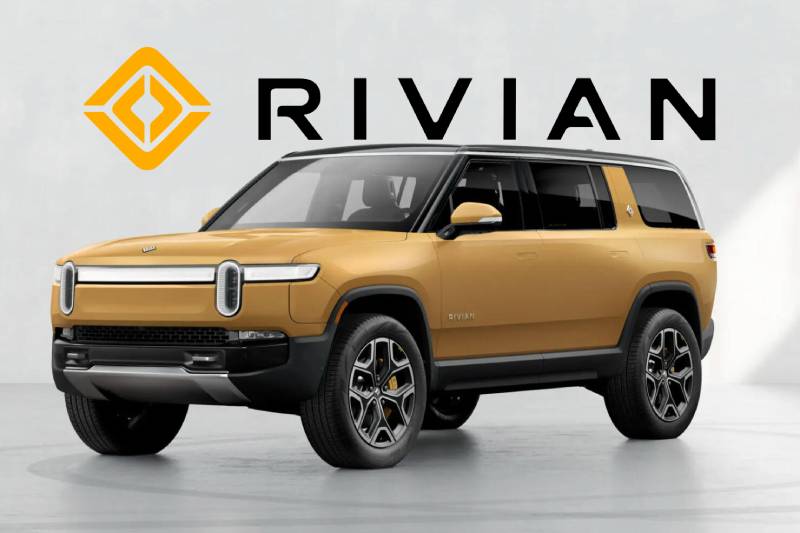
Rivian has officially begun production of its smaller and more affordable R2 SUVs, with customer deliveries expected later this spring. The new model represents a strategic move by the company to expand its customer base and move closer to sustained profitability.
R2 Positioned to Compete in the Mass Market
The R2 marks a major shift for Rivian, which has so far been known for its premium R1 pickup trucks and SUVs. With a lower price point, the R2 is designed to compete directly with the Tesla Model Y, one of the best-selling electric vehicles globally. The launch comes at a time when reduced government incentives have softened demand for electric vehicles in the U.S.
Strong Early Interest From Customers
According to Chief Financial Officer Claire McDonough, early reservation numbers for the R2 have been encouraging, although specific figures were not disclosed. Customers are expected to begin configuring their vehicles around June, which should provide clearer insight into demand levels.
Pricing Strategy and Future Variants
Rivian plans to introduce the R2 with a launch variant priced at $57,990. A Premium version priced at $53,990 is expected later this year, followed by a rear-wheel-drive Standard model at $48,490 in early 2027. A more affordable version targeting a $45,000 price point is anticipated by late 2027, further expanding the vehicle’s market appeal.
Cost Reductions to Improve Profitability
The R2 is expected to play a key role in improving Rivian’s cost structure. Once production scales up in 2027, the company estimates that the R2 will cost less than half as much to manufacture as the R1.
This reduction is driven by significant engineering efficiencies. Die casting techniques are expected to cut costs by 32%, a redesigned drive unit reduces expenses by 25%, and a simplified suspension system lowers costs by an impressive 72%.
Short-Term Margin Pressure, Long-Term Gains
Despite these efficiencies, Rivian expects the R2 to initially weigh on profit margins. However, as production increases and costs decline, the company aims to achieve positive automotive gross margins by the end of 2026. This improvement will be supported not only by R2 output but also by cost reductions across its existing R1 lineup and commercial van segment.
Production Outlook and Delivery Estimates
Rivian’s 2026 delivery forecast suggests between 22,000 and 23,000 R2 units could be delivered this year, assuming steady demand and a smooth production ramp-up. External analysts from BNP Paribas expect a gradual increase, with fewer than 400 deliveries initially, rising to around 7,000 in the third quarter and approximately 15,000 in the fourth quarter.
Supply Chain Risks Remain Key Challenge
Chief Operating Officer Javier Varela highlighted supply chain disruptions as the primary external risk. To mitigate this, Rivian has deployed teams directly at supplier locations to identify and address potential issues early.
R2 at the Center of Rivian’s Future Strategy
Beyond vehicle sales, the R2 plays a central role in Rivian’s broader innovation strategy. The company has introduced a $2,500 driver-assistance package, developed a proprietary self-driving chip, and recently secured a partnership with Uber. The deal includes up to $1.25 billion in investment tied to a robotaxi initiative built around the R2 platform.