Dollar Gains as Iran Conflict Drives Market Uncertainty
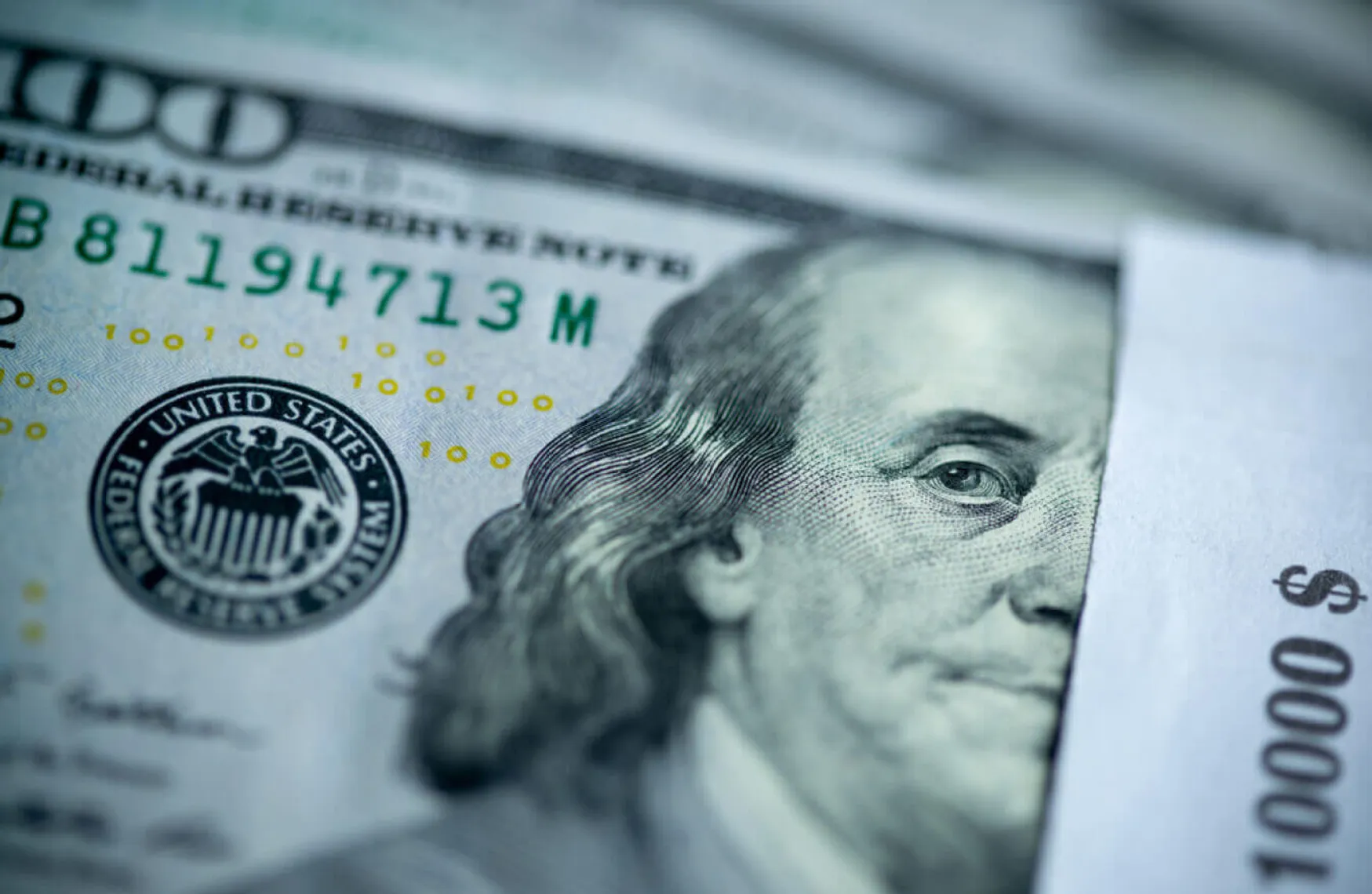
The U.S. dollar edged higher against the euro on Wednesday, supported by ongoing concerns surrounding the U.S.-Israeli conflict with Iran. This came despite Donald Trump extending the ceasefire, allowing Tehran additional time to present a unified proposal aimed at resolving the situation.
Tensions Escalate in the Strait of Hormuz
Iran intensified pressure by seizing two vessels in the Strait of Hormuz, tightening its control over one of the world’s most critical energy routes. The move followed Trump’s decision to halt military action indefinitely, even as there were no clear signs of renewed peace negotiations.
Markets Swing Between Optimism and Fear
Financial markets continue to fluctuate between optimism that a diplomatic agreement may be reached and concerns that the conflict could persist. A prolonged war raises the risk of ongoing disruptions in global energy markets, keeping investors on edge.
According to Dominic Bunning of Nomura, conviction in the market remains limited. However, there are indications that both sides may be more inclined toward progress rather than escalation.
Currency Markets React to Uncertainty
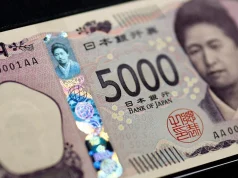
The dollar index, which tracks the greenback against major currencies such as the euro and yen, rose slightly by 0.06% to 98.44. The euro declined 0.09% to $1.1731, while the Japanese yen strengthened modestly against the dollar. Meanwhile, the British pound remained largely stable.
Central Banks Adopt a Wait-and-See Approach
Global central banks are increasingly cautious as geopolitical risks complicate the inflation outlook. Markets are now assigning a low probability to interest rate cuts by the Federal Reserve this year, given the potential for war-driven inflation.
Traders currently see only a 35% chance of a rate cut by the end of 2026, a sharp shift from earlier expectations of multiple reductions.
Policy Outlook Remains Uncertain
Kevin Warsh, nominated to lead the Fed, stated that he has not committed to lowering interest rates and emphasized his independence from political influence. Meanwhile, U.S. Treasury Secretary Scott Bessent has suggested that policymakers should remain patient and assess incoming data before making decisions.
Market strategist Marc Chandler of Bannockburn Global Forex noted that several major central banks are expected to hold steady in upcoming meetings, reflecting a broader “wait-and-see” stance.
Major Central Banks Hold Key Meetings
Key institutions, including the European Central Bank, Bank of Japan, Bank of England, and Bank of Canada, are all scheduled to meet next week. Expectations are that policymakers will maintain current rates while monitoring geopolitical and economic developments closely.