Asia FX Trades Sideways as Dollar Holds Firm Amid Iran Uncertainty
Most Asian currencies moved within a narrow range on Wednesday, while the U.S. dollar stabilized as markets remained cautious about the future of U.S.-Iran peace negotiations. Uncertainty persisted after Washington chose to extend the ceasefire indefinitely, leaving investors hesitant to take strong positions.
Regional currencies also faced pressure from renewed strength in the dollar overnight. This followed comments from U.S. President Donald Trump’s nominee for Federal Reserve Chair, Kevin Warsh, who stated he had made no commitments regarding potential interest rate cuts.
Geopolitical Tensions Keep Markets on Edge
Investor attention remained focused on how the Iran conflict will unfold. Although the ceasefire extension signals a possible path toward de-escalation, the outlook for formal peace talks remains unclear. This uncertainty deepened after both U.S. and Iranian representatives withdrew from scheduled discussions in Pakistan.
At the same time, Trump confirmed that the U.S. naval blockade on Iran would remain in place, with the Strait of Hormuz still closed. This development continues to pose risks to global energy markets and could have inflationary implications.
Dollar Stabilizes Following Warsh’s Policy Signals
The dollar index and its futures showed limited movement during Asian trading hours, holding steady after gains recorded on Tuesday.
Support for the greenback came from Warsh’s remarks emphasizing that he had not promised any rate cuts to Trump. He also highlighted the Federal Reserve’s independence from political influence, reinforcing confidence in the central bank’s policy stance.
During his testimony before the Senate Banking Committee, Warsh indicated that, if confirmed, he would pursue significant policy reforms within the Fed.
While his confirmation is widely expected, the timeline remains uncertain. Senior Republican lawmakers have suggested delaying the process until the Trump administration drops its ongoing criminal investigation into current Fed Chair Jerome Powell.
Trump has repeatedly called for lower interest rates and stated in a CNBC interview that he would be disappointed if the Fed fails to act. The investigation into Powell is widely perceived as an attempt to pressure the central bank.
Asian Currencies Remain Rangebound
Across Asia, currency markets remained largely subdued as traders stayed on the sidelines amid geopolitical uncertainty.
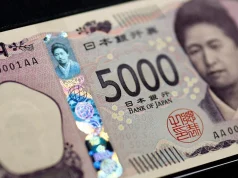
The Japanese yen (USD/JPY) traded flat, even as recent data showed exports rising for a seventh consecutive month, suggesting limited economic impact so far from tensions in the Middle East.
The South Korean won stood out, with USD/KRW falling 0.4% after producer price index data revealed a sharp increase in March. This could prompt a more hawkish stance from the Bank of Korea.
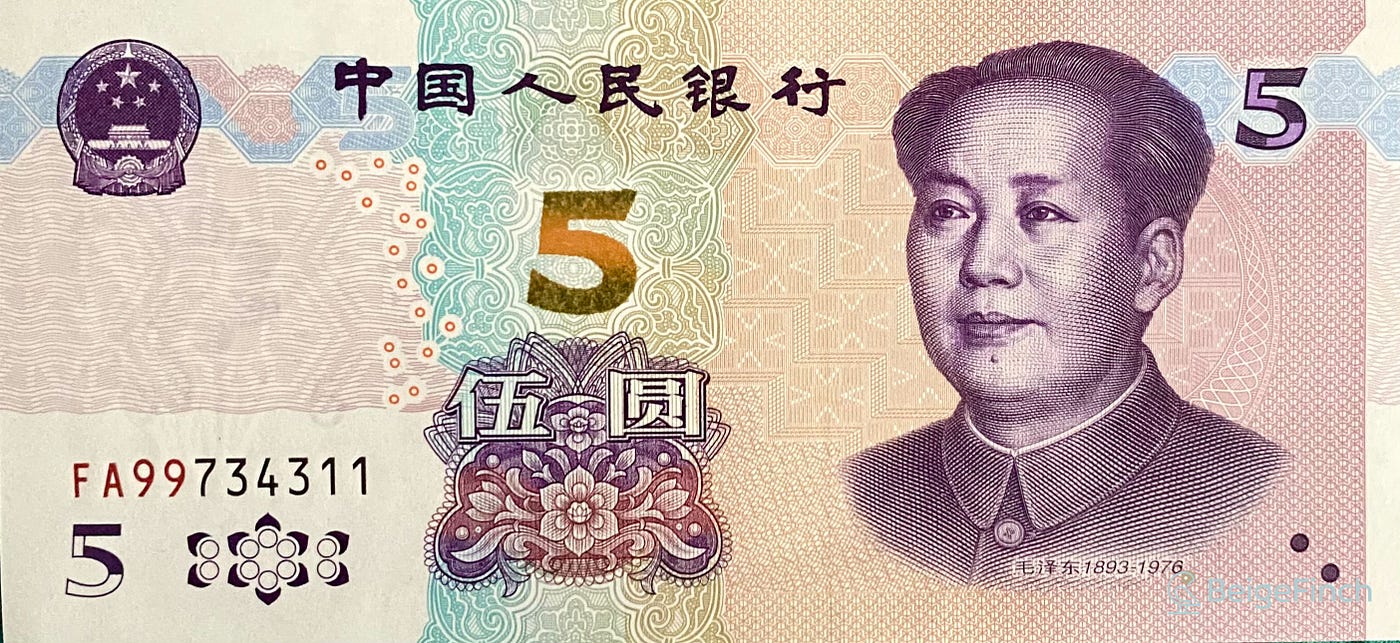
Elsewhere, the Australian dollar (AUD/USD) edged down by 0.1%, while the Singapore dollar (USD/SGD) remained unchanged. The Chinese yuan (USD/CNY) also showed little movement.
The Indian rupee weakened further, with USD/INR rising 0.4%, after the Reserve Bank of India eased certain derivative trading restrictions that had previously supported the currency.