US Dollar Strengthens as US-Iran Tensions Escalate
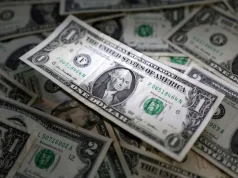
The U.S. dollar moved higher on Monday following a renewed escalation in tensions between the United States and Iran, raising uncertainty over whether a temporary ceasefire will be extended. The geopolitical developments boosted demand for the dollar as a safe-haven asset.
Dollar Index Rises, Then Eases Slightly
As of 08:33 ET (12:33 GMT), the U.S. dollar index—measuring the greenback against a basket of major currencies—rose 0.2% to 98.27. However, the index pulled back slightly after reaching its highest level in a week earlier in the session.
Euro and Pound Hold Steady While Aussie Slips
The euro remained largely unchanged at $1.1763, while the British pound traded flat at $1.3512. Meanwhile, the Australian dollar, often seen as a gauge of global risk appetite, weakened against the stronger U.S. dollar.
Geopolitical Tensions Drive Market Sentiment
According to analysts at ING, the dollar regained strength after declining on Friday amid reports that the Strait of Hormuz was fully open. Renewed pressure came from escalating rhetoric between Washington and Tehran, along with the U.S. Navy’s seizure of an Iranian cargo vessel.
Analysts noted that while investors are hopeful for a resolution, it may be premature to expect a continuation of the broader bearish trend for the dollar.
Ceasefire Uncertainty and Rising Conflict Risks
Uncertainty continues to surround the future of a temporary ceasefire between the U.S. and Iran. The situation intensified after the seizure of an Iranian-flagged ship, prompting threats of retaliation from Tehran.
The current two-week pause in hostilities is set to expire later this week. U.S. President Donald Trump stated that American envoys are expected to arrive in Pakistan for a new round of negotiations with Iran.
Iran Rejects Talks Amid Rising Tensions
Iran has declined to participate in further discussions, citing what it described as excessive demands and inconsistent positions from the United States, according to the state news agency IRNA.
Tehran pointed to unrealistic expectations, shifting stances, and ongoing contradictions from Washington, as well as a continued naval blockade that it considers a breach of the ceasefire. Reports from Axios also suggested that Iran suspects the U.S. may be preparing a surprise military action.
Strait of Hormuz Concerns Push Oil Prices Higher
The latest developments reversed optimism seen late last week, when both U.S. and Iranian officials indicated that the Strait of Hormuz—a key route for roughly 20% of global oil supply—had reopened.
However, Iran has since declared the strait closed again, heightening fears of supply disruptions. As a result, oil prices moved higher after previously dropping sharply on expectations of resumed flows and a potential peace agreement.