Trump Suspends Iran Strikes as Ceasefire Talks Gain Momentum
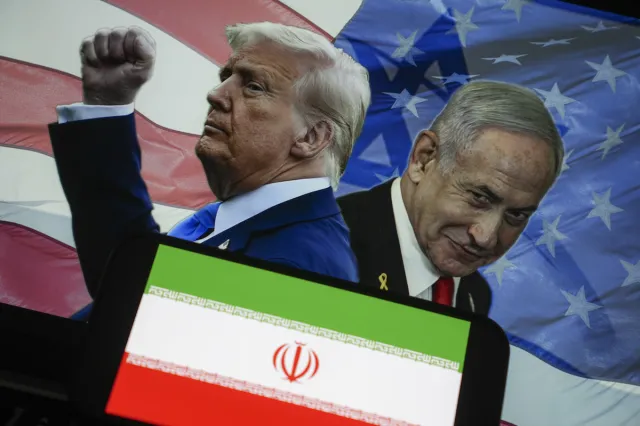
President Donald Trump announced on Tuesday evening that the United States will delay planned military strikes against Iran for two weeks. The decision comes as Tehran signaled openness to a conditional ceasefire, raising hopes for de-escalation in the region.
The suspension follows discussions with Pakistan’s Prime Minister Shehbaz Sharif and military chief Asim Munir, highlighting Islamabad’s key role in mediating between the two sides.
Ceasefire Linked to Strait of Hormuz Reopening
Trump stated that the pause in military action depends on Iran ensuring the “complete, immediate and safe” reopening of the Strait of Hormuz—a critical global oil shipping route.
Pakistan confirmed that both the U.S. and Iran had agreed to an immediate ceasefire, while also inviting both parties to participate in peace talks scheduled to take place in Islamabad.
Iran’s Foreign Minister, Seyed Aragchi, indicated that Tehran is prepared to halt its defensive operations if attacks cease, adding that safe passage through the Strait of Hormuz will be possible during the ceasefire period.
Diplomatic Breakthrough Near Deadline
The announcement came just hours before a key deadline for potential U.S. strikes, which markets had closely monitored. Trump revealed that Iran had submitted a 10-point proposal that could form the basis for a broader agreement.
He emphasized that most major points of disagreement have already been resolved, and that the two-week window will allow both sides to finalize a comprehensive deal.
Markets React: Stocks Surge, Oil Prices Drop
Financial markets responded quickly to the easing tensions. S&P 500 futures jumped more than 2% in after-hours trading, reflecting renewed investor confidence.
Meanwhile, oil prices dropped sharply, with WTI crude falling nearly 13% to $86.21 per barrel as fears of supply disruptions eased.
Pakistan and China Play Key Mediation Roles
Pakistan played a central role in facilitating negotiations, proposing the two-week extension shortly before the U.S. deadline. Prime Minister Sharif urged Iran to reopen the Strait of Hormuz as a goodwill gesture and called for all parties to observe a ceasefire.
Reports also indicated that China encouraged Iran to move toward de-escalation, adding further diplomatic pressure for a peaceful resolution.
U.S. Pledges Support for Hormuz Reopening
In a separate statement, Trump said the United States would assist in clearing congestion and restoring operations in the Strait of Hormuz. He noted that Washington would support reconstruction efforts and ensure that shipping flows return to normal.
The Strait of Hormuz remains a critical chokepoint, accounting for roughly 20% of global oil supply. Its disruption has been a major concern throughout the conflict.
Ongoing Conflict Keeps Markets on Edge
Despite the ceasefire progress, the Iran conflict has now entered its sixth week, with hostilities involving Iran, Israel, and Gulf nations continuing into late Tuesday.
Investors will be closely watching whether the temporary ceasefire can evolve into a lasting agreement, as developments in the region continue to drive global market sentiment.