Hormuz Strait Closure Could Fuel Inflation Surge, Dallas Fed Warns
An extended shutdown of the Strait of Hormuz amid the ongoing Iran conflict could drive U.S. headline inflation above 4% by the end of the year, according to new research released Tuesday by the Dallas Federal Reserve Bank.
Key Scenarios: How Oil Disruptions Impact Inflation
The study explores multiple closure scenarios for the critical waterway, which accounts for roughly 20% of global oil shipments and has already been effectively blocked for five weeks.
In a short-term disruption lasting one quarter, inflation could spike by as much as 5.2 percentage points on an annualized basis in March. However, this surge would likely be temporary, with fourth-quarter inflation remaining elevated by around 0.35 percentage points.
Oil Prices Could Surge to $167 per Barrel
A more prolonged disruption paints a far more severe picture. If the Strait remains closed for three quarters, oil prices could climb from the current $115 per barrel to as high as $167. Under this scenario, fourth-quarter inflation could increase by up to 1.8 percentage points.
Current Inflation Levels vs Federal Reserve Target
As of January, year-over-year inflation measured by the personal consumption expenditure (PCE) index stood at 2.8%, still above the Federal Reserve’s 2% target.
Core inflation, which excludes volatile food and energy prices, was recorded at 3.1% during the same period.
Core Inflation Impact Remains Limited
The report suggests that core inflation would see only moderate increases depending on the duration of the disruption. A one-quarter closure could lift core inflation by approximately 0.18 percentage points, while a three-quarter shutdown could push it up by around 0.49 percentage points.
Inflation Expectations Stay Anchored
Despite the potential spike in oil prices, long-term inflation expectations appear relatively stable. One-year expectations could rise by up to 0.8 percentage points, while longer-term expectations over five to ten years may increase by just 0.09 percentage points.
Researchers noted that there is limited evidence suggesting higher gasoline prices significantly impact core inflation or destabilize long-term inflation expectations.
Rising Geopolitical Tensions Add Uncertainty
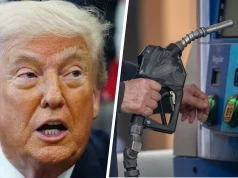
These findings come at a time of heightened geopolitical risk in the Middle East. Tensions escalated further after President Donald Trump urged Iran to reopen the Strait of Hormuz, warning of potential strikes on critical infrastructure, including power plants and bridges.