Dimon Warns Iran War Could Drive Inflation and Higher Rates
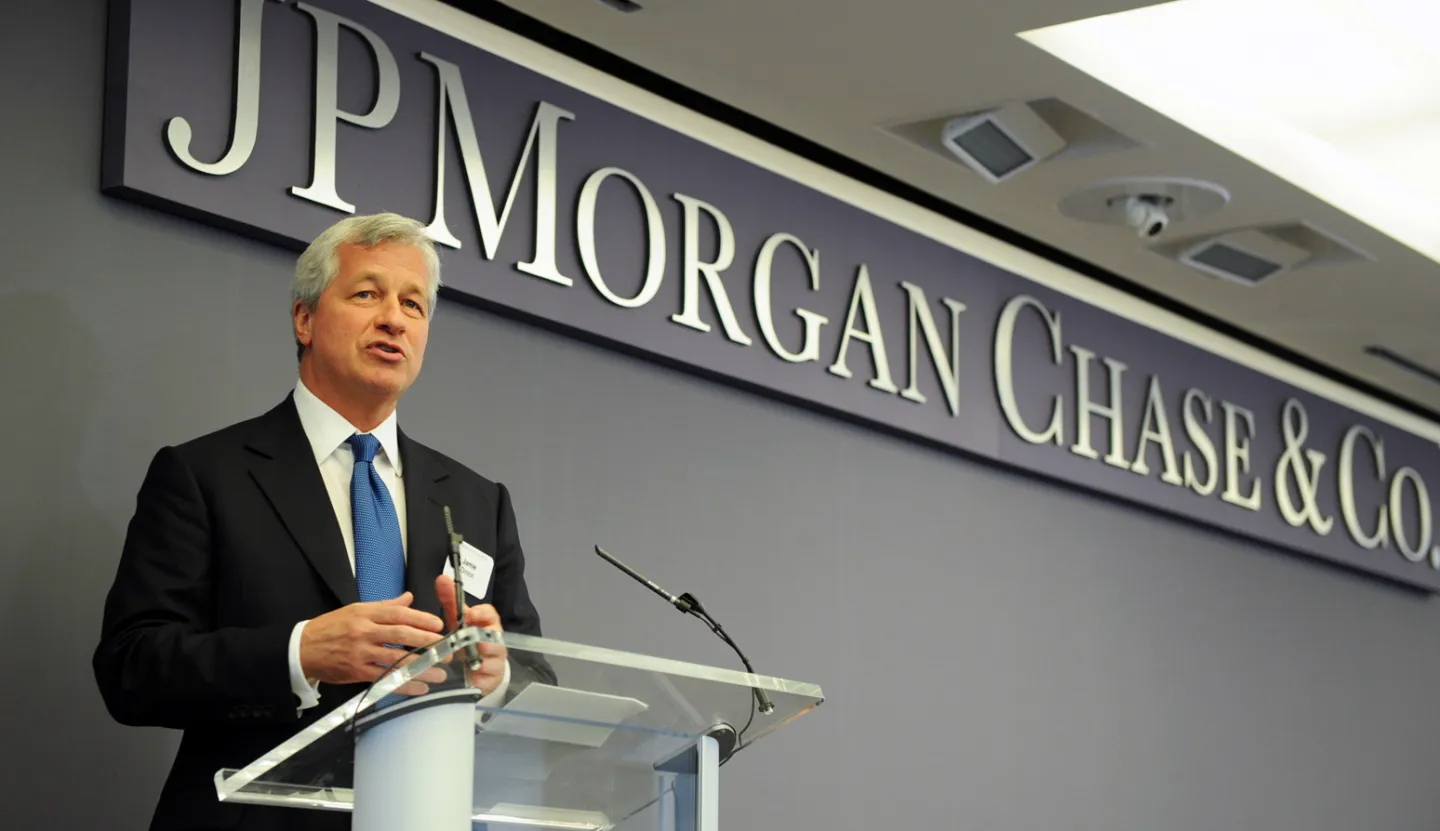
Jamie Dimon, CEO of JPMorgan Chase, warned that the ongoing conflict in Iran could trigger significant oil and commodity price shocks. According to Dimon, these pressures may keep inflation elevated and push interest rates higher than current market expectations.
Geopolitical Tensions Add to Economic Risks
Dimon’s comments came in his annual letter to shareholders, released shortly after Donald Trump increased pressure on Iran. Trump warned that failure to reopen the Strait of Hormuz could result in strikes on key infrastructure, including power plants and bridges.
Dimon highlighted broader geopolitical risks, including the war in Ukraine, rising tensions in the Middle East, and ongoing friction with China, all of which could impact global economic stability.
Oil Shocks and Supply Chain Disruptions
The JPMorgan chief emphasized that the Iran war could reshape global supply chains while driving persistent increases in energy and commodity prices.
He noted that these developments could lead to “stickier” inflation, ultimately forcing central banks to maintain higher interest rates for longer than investors currently anticipate.
Markets Adjust Expectations on Interest Rates
Concerns over war-driven inflation have already influenced market expectations. Investors are increasingly pricing out the likelihood of interest rate cuts this year, especially after previous monetary easing helped fuel record highs in equity markets.
The S&P 500 recently recorded its worst quarterly performance since 2022, pressured by rising energy costs and geopolitical uncertainty.
U.S. Economy Remains Resilient but Faces Headwinds
Despite these risks, Dimon stated that the U.S. economy remains relatively strong. Consumer spending continues, and businesses are still in solid condition, although some signs of slowing have begun to emerge.
He also pointed out that economic growth has been supported by substantial government spending and past stimulus measures, while ongoing investment in infrastructure remains essential.
Additional positive factors include deregulation policies, fiscal stimulus initiatives, and capital investment driven by artificial intelligence.
Private Credit Risks and Market Concerns
Dimon addressed concerns surrounding the $1.8 trillion private credit market, suggesting it is unlikely to pose a systemic risk. However, he warned that as the credit cycle weakens, losses in leveraged lending could exceed expectations due to gradually declining credit standards.
He also noted that limited transparency and weaker valuation practices in private credit markets could trigger investor withdrawals during periods of stress.
Criticism of Banking Regulations
In his letter, Dimon also criticized proposed capital requirements from U.S. regulators, describing some aspects as flawed and excessive.
He argued that revised Basel III and GSIB rules continue to impose unfair burdens on large banks like JPMorgan, stating that the required capital surcharge penalizes success and remains overly restrictive.