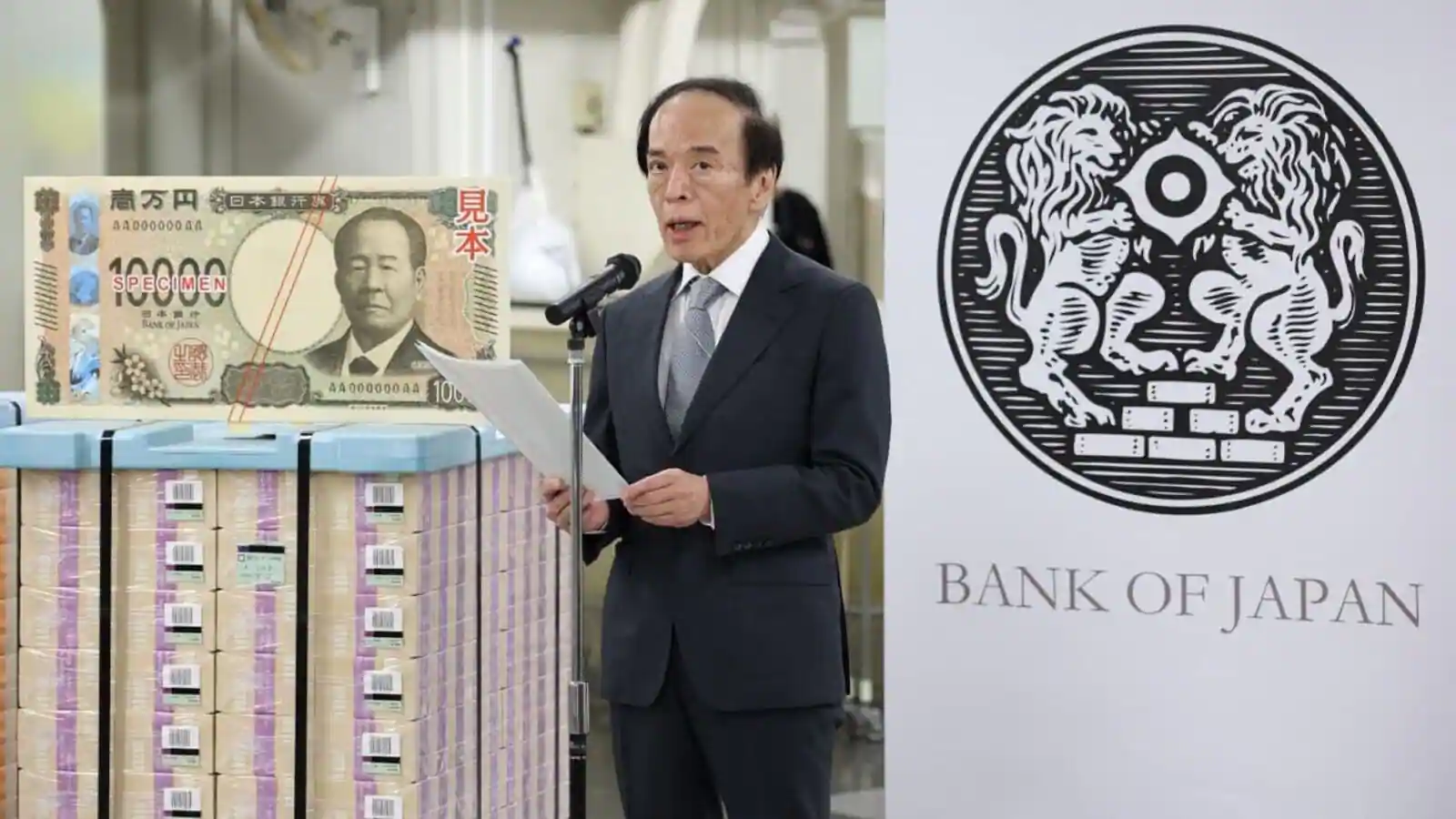
Bank of Japan Signals Further Rate Hikes Amid Middle East Tensions
The Bank of Japan (BOJ) is expected to continue raising interest rates while closely monitoring the economic impact of the ongoing Middle East conflict, according to a senior central bank official.
Rising Fuel Costs Could Drive Inflation Higher
Koji Nakamura, the BOJ’s executive director in charge of monetary policy, stated in parliament that increasing fuel costs linked to the conflict could weaken Japan’s terms of trade. However, these same pressures may also push underlying inflation higher by lifting long-term inflation expectations.
He noted that the inflationary impact from higher energy prices could be stronger than in previous periods, as companies are now more willing to increase both prices and wages.
BOJ Maintains Data-Driven Policy Approach
Nakamura emphasized that future rate hikes will depend on how economic and inflation forecasts evolve. If projections for growth and prices materialize as expected, the central bank is likely to continue tightening monetary policy.
He added that decisions on the pace and timing of rate increases will be made at each policy meeting, based on the latest available economic, price, and financial data.
Policy Shift After Years of Stimulus
The BOJ ended its long-standing stimulus program in 2024 and has since raised interest rates multiple times. In December, the central bank lifted its short-term policy rate to 0.75%, marking the highest level in three decades.
Markets Price in Further Tightening
With fuel costs surging and import prices rising due to a weaker yen, inflationary pressures continue to build in Japan’s economy. As a result, financial markets are currently pricing in around a 70% probability of another interest rate hike in the near term.