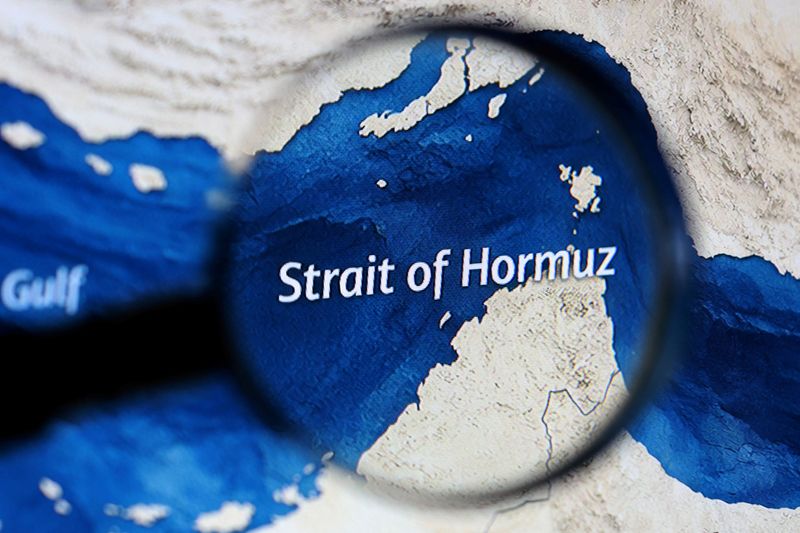
Iran Plans Toll for Strait of Hormuz Shipping
Iran has announced plans to introduce a toll for vessels passing through the strategically vital Strait of Hormuz. Deputy Foreign Minister Kazem Gharibabadi confirmed the move in a recent interview, signaling a shift in how traffic through one of the world’s most important shipping routes will be managed.
New Monitoring Protocol with Oman
The toll proposal follows Iran’s earlier initiative to establish a joint protocol with Oman aimed at overseeing vessel traffic in the strait. According to state media, the framework is designed to enhance navigation safety and improve services for ships transiting the route.
Iran emphasized that maritime traffic should operate under the coordination and supervision of both Iran and Oman, given their roles as coastal states—even during periods of peace.
Rising Geopolitical Tensions
These developments come amid escalating geopolitical tensions in the region. French President Emmanuel Macron stated that launching a military operation to reopen the Strait of Hormuz would be unrealistic, despite calls from U.S. President Donald Trump urging allies to take action.
Strategic Impact on Global Energy Flows
The situation has intensified after Iran effectively restricted access to the strait, a key passage responsible for transporting roughly 20% of global oil and liquefied natural gas supplies. The move followed military strikes by the United States and Israel on Iran, which led to retaliatory actions by Tehran across the region.
Market and Global Trade Implications
Any disruption or additional cost imposed on shipping through the Strait of Hormuz could have significant consequences for global energy markets and international trade. As one of the most critical chokepoints in the world, developments in the region are closely monitored by investors and policymakers alike.