US Stock Futures Rise on Iran War De-Escalation Signals
U.S. stock futures moved higher on Tuesday following reports that Donald Trump may be willing to end the military campaign against Iran, even if the Strait of Hormuz remains largely closed.
Markets React Positively
According to The Wall Street Journal, U.S. officials believe reopening the strait could extend the conflict beyond the planned four- to six-week timeline. Instead, Washington may begin scaling back operations after achieving key military objectives.
By early trading, Dow futures rose 373 points (0.8%), S&P 500 futures gained 50 points (0.8%), and Nasdaq 100 futures advanced 165 points (0.7%), reflecting improved market sentiment.
Shift Toward Diplomatic Strategy
The U.S. is expected to shift focus toward diplomatic efforts to pressure Iran into reopening the Strait of Hormuz. If these efforts fail, Washington may rely on European and Gulf allies to take the lead in securing the critical shipping route.
Trump Urges Allies to Act
In a social media post, Trump called on countries affected by fuel shortages to take action themselves, urging them to secure access to the Strait of Hormuz. He also criticized allies, including the United Kingdom and France, for their limited involvement in the conflict.
Strait of Hormuz at the Center of the Crisis
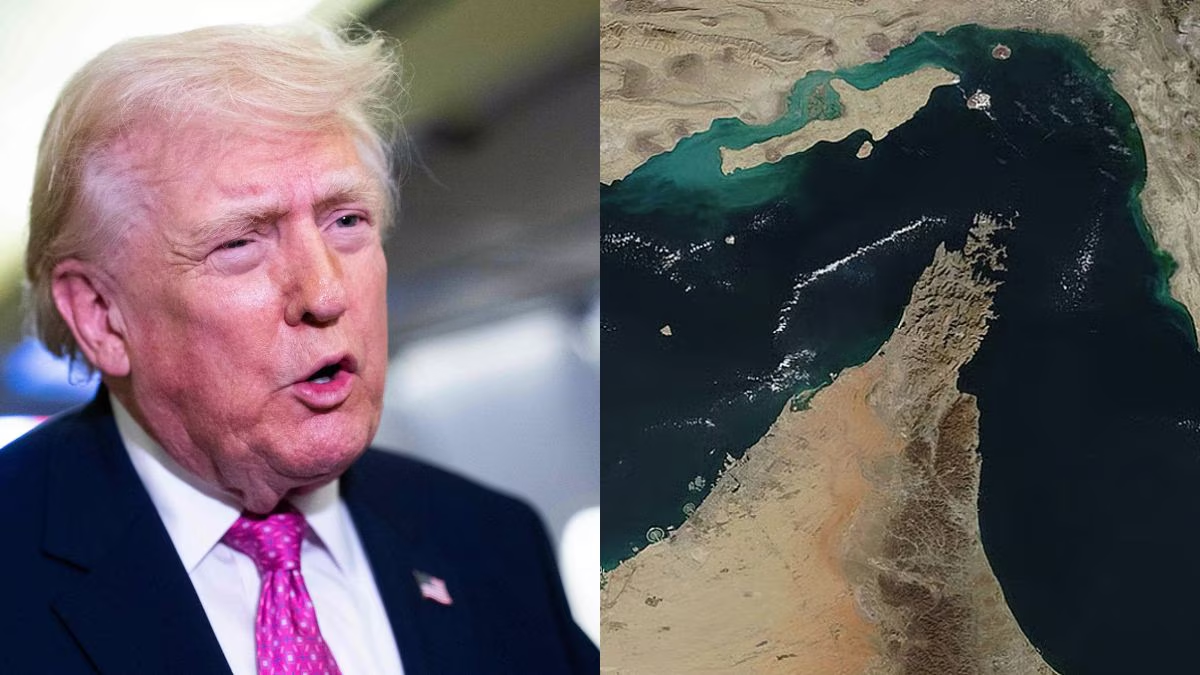
The Strait of Hormuz remains a crucial global energy chokepoint, with approximately 20% of the world’s oil supply passing through it. Iran has effectively blocked the route using mines and missile strikes, disrupting global energy flows.
Oil Prices Surge on Supply Fears
The closure of the strait has driven a sharp increase in oil and gas prices. Brent crude futures are trading above $110 per barrel, compared to around $70 before the conflict began.
Further upward pressure came after a Kuwaiti oil tanker caught fire near Dubai, reportedly following an Iranian attack. Iran has also considered imposing transit tolls on ships passing through the strait, adding to market concerns.
Conflict Escalates Across the Region
Tensions continue to rise, with the U.S. reportedly targeting military sites in Iran, while Israel and several Gulf nations have intercepted missile and drone attacks. Iran has also struck energy infrastructure across the Persian Gulf, raising fears of a broader regional conflict.
Military Activity Intensifies
U.S. Defense Secretary Pete Hegseth confirmed a recent visit to the Middle East, where he met with military personnel. He emphasized the need for faster operational readiness as the situation evolves.
Outlook: Markets Driven by Geopolitics and Energy Risks
While markets reacted positively to signs of de-escalation, ongoing risks tied to energy supply disruptions and geopolitical tensions continue to shape investor sentiment and global economic expectations.