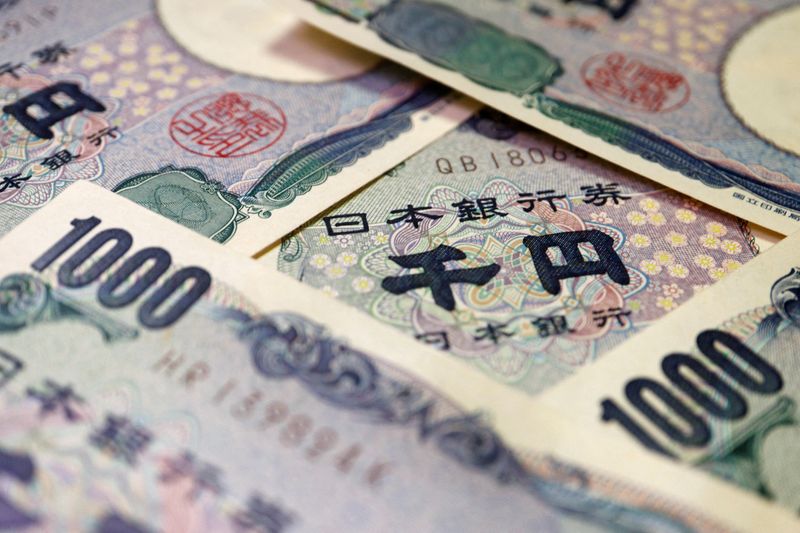
Japan Labels Yen Weakness as Speculative Amid Market Turmoil
Japan on Tuesday described the recent decline in the yen as “speculative” for the first time since the Middle East conflict began. Policymakers are increasingly concerned about market instability, as rising inflation risks threaten to trigger a broader sell-off across currencies, bonds, and equities.
Weak Yen and Rising Oil Prices Fuel Inflation Concerns
Although data showed that core inflation in Tokyo slowed in March, analysts expect the situation to change quickly. Surging oil prices linked to the Iran war, combined with higher import costs caused by the weak yen, are likely to increase pressure on the Bank of Japan (BOJ) to raise interest rates, potentially as early as April.
Authorities Signal Readiness to Intervene
With the yen hovering near the critical 160-per-dollar level, Finance Minister Satsuki Katayama reaffirmed that Japan is prepared to act against excessive market volatility.
She highlighted growing speculative activity in both currency and oil futures markets, marking the first time officials explicitly linked yen weakness to speculation since the conflict began.
Despite a brief rebound following her comments, the yen remained near 159.93 per dollar, staying close to the threshold widely viewed as a trigger point for potential intervention.
Focus on Market Fundamentals
Japanese authorities have historically justified currency intervention by citing excessive and disorderly market movements that deviate from economic fundamentals. These concerns are also aligned with international agreements within the G7 and G20 frameworks.
However, some analysts question whether the recent yen decline is truly disconnected from fundamentals, pointing instead to strong global demand for the U.S. dollar as a safe-haven asset.
Economists suggest that if the yen weakens beyond 162, further declines toward 165 could prompt more aggressive intervention by Japanese authorities.
Middle East Conflict Triggers “Double Shock”
Markets have been unsettled by the ongoing Iran war, which has effectively disrupted the Strait of Hormuz—a key route for roughly 20% of global oil and gas supplies.
This has led to a surge in oil prices and increased demand for the U.S. dollar, creating a dual pressure on Japan’s economy. The weak yen is pushing import costs higher, while rising energy prices are intensifying inflation.
Japanese Markets Under Pressure
The combined impact of geopolitical tensions and inflation fears has weighed heavily on Japanese financial markets. The Nikkei index is on track to decline more than 11% in March.
At the same time, investors have sold off Japanese government bonds, pushing the 10-year yield to levels not seen since 1999.
Economy Minister Minoru Kiuchi stated that the government is closely monitoring both currency and bond markets for signs of excessive volatility.
BOJ Faces Policy Dilemma on Interest Rates
The prospect of a “triple sell-off” in Japanese assets complicates the Bank of Japan’s policy decisions. The central bank must balance the need to raise interest rates to contain inflation against the risk of damaging an already fragile economy.
While core inflation in Tokyo slowed to a near two-year low in March, largely due to fuel subsidies, analysts expect inflationary pressures to return as the effects of the weak yen and rising oil prices persist.
Markets Price in Potential Rate Hike
Financial markets are increasingly betting on a rate hike, with approximately a 70% probability assigned to a move at the BOJ’s upcoming policy meeting on April 27–28.
Analysts warn that the combination of a weak yen and rising energy prices could lead to an inflation overshoot, particularly as companies are becoming more willing to pass higher costs onto consumers.