Middle East Conflict Escalates as War Enters Second Month
Fighting intensified across the Middle East on Monday, with reports indicating that Iran launched projectiles toward Israel and parts of the Persian Gulf.
Now entering its second month, the conflict has expanded further, increasing geopolitical tensions and raising concerns across global markets.
Houthi Involvement Raises Fears Over Oil Supply
Over the weekend, the conflict widened with the involvement of Iran-aligned Houthi forces in Yemen. Israel confirmed intercepting drone attacks launched from Yemen, signaling a potential new front in the war.
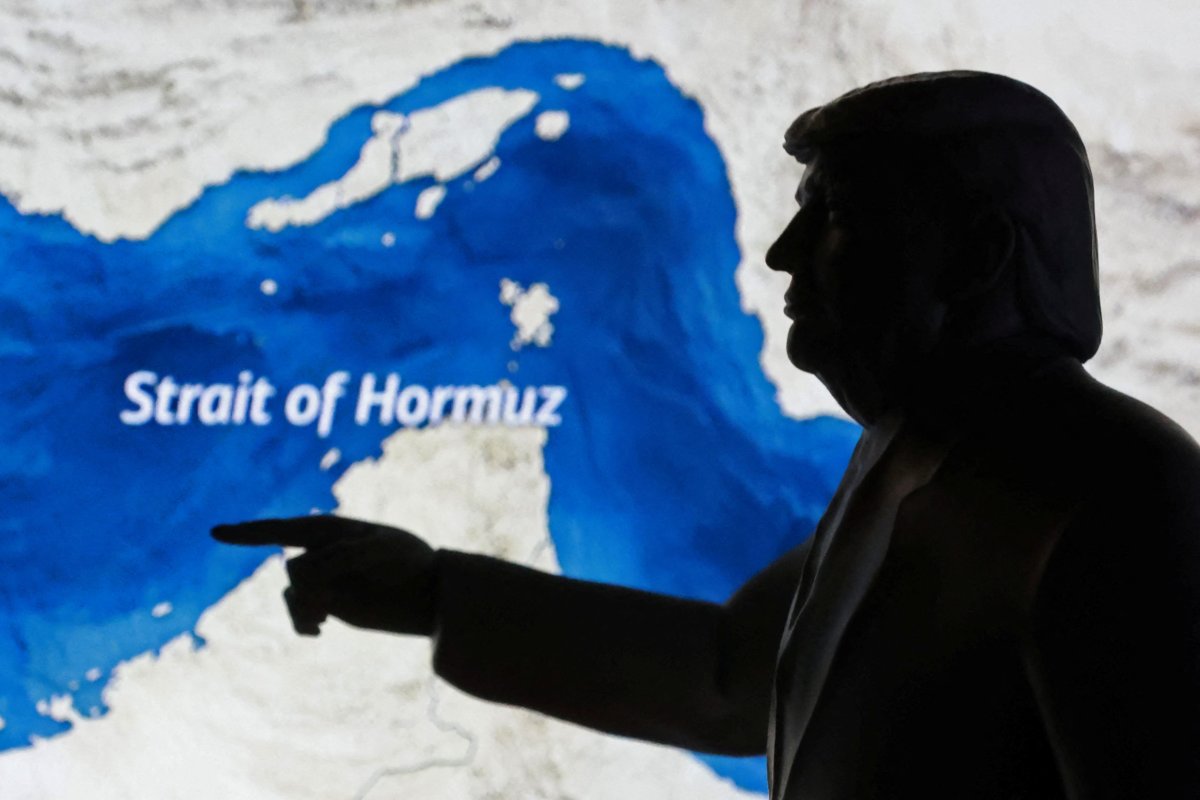
This escalation has heightened fears about disruptions to global energy supplies, particularly as the Strait of Hormuz remains effectively restricted, a critical route for global oil shipments.
Analysts are also closely monitoring the Bab al-Mandab Strait, another key maritime chokepoint connecting the Red Sea to the Gulf of Aden, which could become a new target in the conflict.
Trump Signals Progress in Iran Negotiations
Despite ongoing hostilities, U.S. President Donald Trump stated that negotiations with Iran are continuing and may lead to a potential agreement.
Speaking aboard Air Force One, Trump said talks were progressing “extremely well” and suggested that a deal with Tehran could be reached soon, although he did not provide a specific timeline.
He also referenced recent military actions, claiming significant damage to Iran’s military capabilities following U.S. strikes.
Iran Rejects Direct Talks Amid Ongoing Conflict
Iran has largely denied engaging in direct negotiations with the United States since the conflict began in late February.
Tehran has reiterated that any discussions would require a cessation of hostilities first, maintaining a firm stance amid escalating tensions.
Uncertainty Over U.S. Military Strategy
When asked about the possibility of a U.S. ground invasion, Trump declined to provide a clear answer but indicated that Washington was ahead of schedule in its operations.
The president also claimed that Iran had allowed approximately 20 oil tankers to pass through the Strait of Hormuz, describing the move as a concession. Reports suggest these vessels were Pakistan-flagged tankers.
Potential Escalation Scenarios Remain in Focus
Despite optimistic remarks on negotiations, uncertainty remains high.
Reports indicate that the U.S. is considering more aggressive strategies, including a plan to extract uranium from Iran and potentially target Kharg Island, a key oil export hub.
Trump acknowledged multiple possible scenarios, stating that the U.S. has “a lot of options,” underscoring the unpredictable nature of the conflict.