Strait of Hormuz Shipping Activity Shows Signs of Recovery
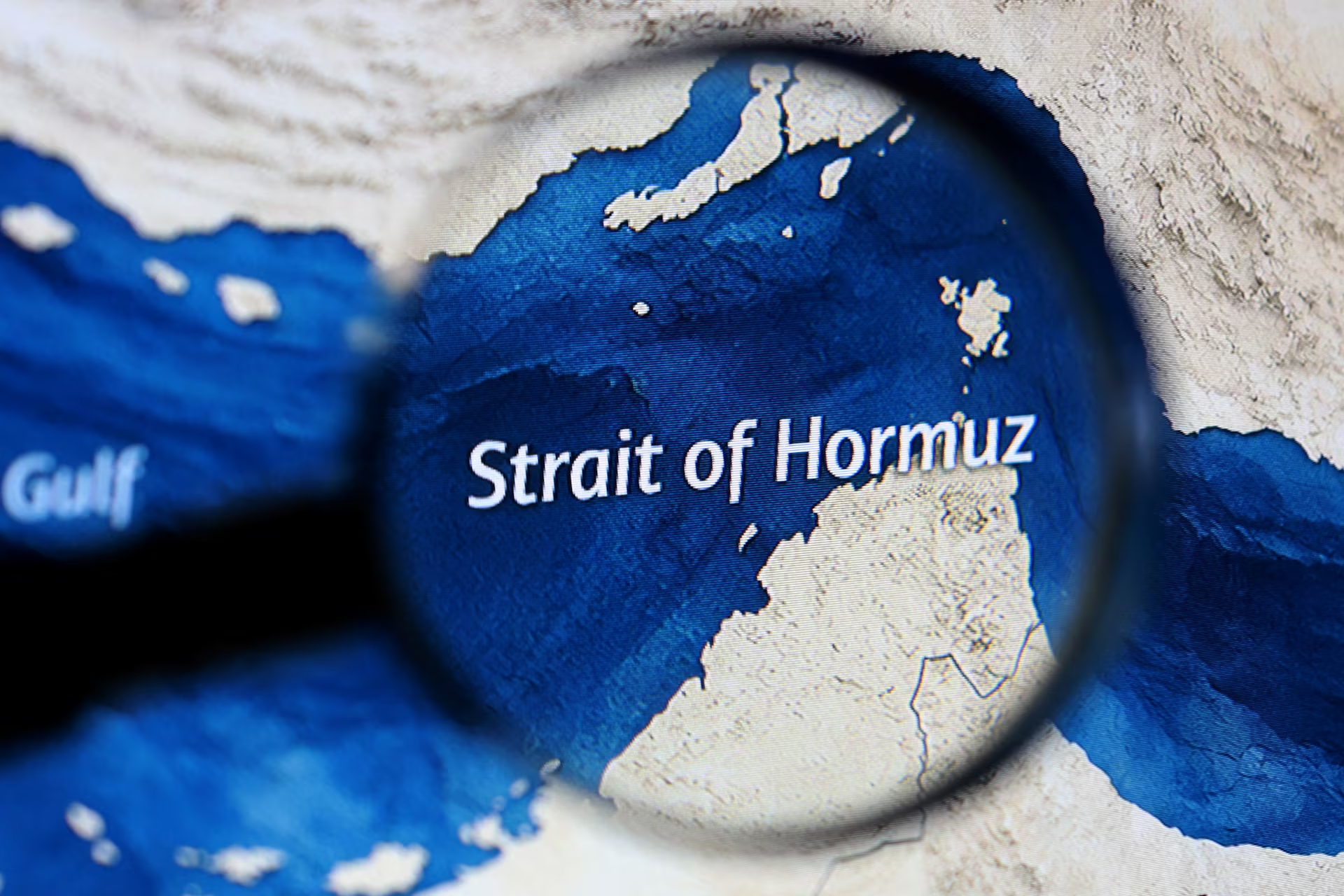
Shipping traffic through the Strait of Hormuz has increased in recent days, offering some support to claims by U.S. President Donald Trump that Iran has allowed multiple oil tankers to pass as part of ongoing negotiations.
Trump Cites Tanker Movements as Goodwill Gesture
During a Cabinet meeting, Trump stated that Tehran had permitted 10 oil tankers to transit the strategic waterway as a sign of goodwill. He described the move as a “present” amid diplomatic discussions, noting that the number of vessels exceeded initial expectations.
Data Points to Rising Tanker Flows
Figures from Morgan Stanley indicate a similar upward trend in tanker movements, although measured over a slightly broader timeframe. The bank recorded three outbound tankers on March 26 and revised its estimate for the previous day to two vessels, up from zero.
Overall, Morgan Stanley estimates that around 12 vessels passed through the Strait between March 23 and March 26. This marks a notable increase compared with the previous four-day period, when only three tankers were recorded.
Recovery Follows Period of Severe Disruption
The recent uptick in shipping comes after significant disruptions caused by the escalating Iran conflict, which had raised concerns about a near-total shutdown of traffic through one of the world’s most critical oil transit routes.
According to Amarpreet Singh of Barclays, the crisis represents the most significant geopolitical shock to energy markets since the Gulf War in the 1990s.
Market Impact Remains Significant
Although tanker flows remain below normal levels, the increase is being closely monitored by markets as a potential signal of stabilization or early de-escalation.
The Strait of Hormuz is a key artery for global oil shipments, meaning even small changes in traffic volumes can have a substantial impact on market sentiment.
Supply Risks Still Loom
Analysts warn that a prolonged disruption in the Strait could remove between 13 and 14 million barrels per day from global supply. With global inventories already tight—even before the current conflict—there is limited buffer available to absorb further shocks.
This underscores the continued sensitivity of energy markets to developments in the region.