BOJ Sees Limited Inflation Impact from Food Tax Freeze Proposal
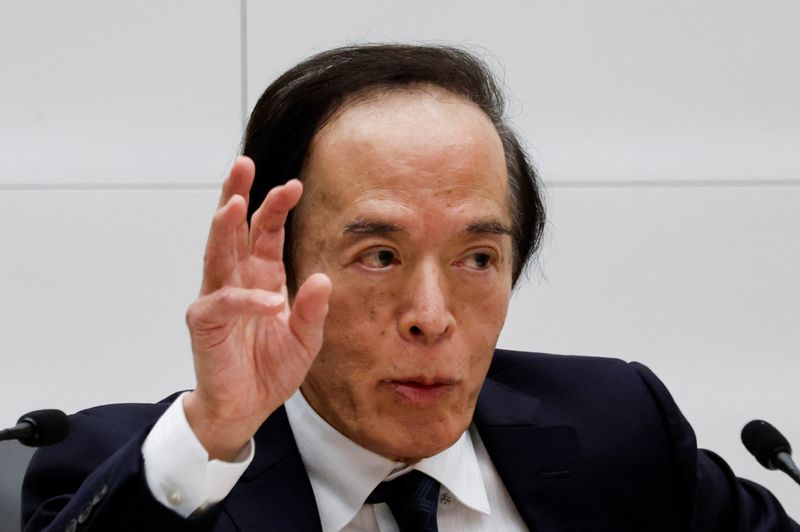
Bank of Japan Governor Kazuo Ueda stated that a proposed suspension of Japan’s food sales tax is unlikely to significantly affect long-term inflation expectations. His comments reflect confidence that Japan can sustainably reach the central bank’s 2% inflation target.
Government Considers Temporary Tax Relief
The administration of Prime Minister Sanae Takaichi is currently evaluating a plan to freeze the 8% consumption tax on food for two years. The proposal is under discussion among both ruling and opposition parties.
Short-Term Price Relief Expected
If implemented, the tax freeze could lead to a temporary decline in consumer prices. However, Ueda emphasized that the impact would likely be short-lived, as consumers and businesses tend to base decisions on longer-term economic expectations.
Long-Term Inflation Outlook Remains Stable
According to Ueda, rational economic behavior means households and companies will continue to focus on medium- and long-term trends. As a result, the tax freeze is expected to have only a limited effect on inflation expectations over time.
Wage Growth and Labor Market Support Inflation
Despite government efforts to control energy costs, underlying inflation remains supported by a strong labor market and evolving corporate pricing strategies. These factors are helping sustain a cycle where wages and prices rise gradually together.
BOJ Maintains Focus on 2% Inflation Target
Ueda reaffirmed that underlying inflation is expected to increase steadily. The Bank of Japan will continue to adjust its monetary policy to ensure inflation reaches its 2% target in a stable and sustainable manner, supported by ongoing wage growth.