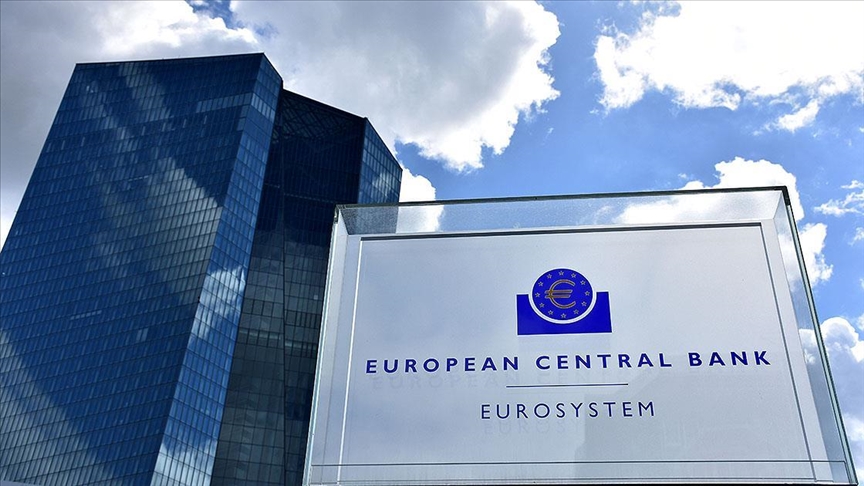
ECB Expected to Hold Rates but Signal Readiness to Act
The European Central Bank (ECB) is widely expected to keep its key interest rate unchanged at 2% on Thursday. However, policymakers are likely to emphasize their readiness to raise rates if the ongoing Iran conflict leads to a sustained increase in eurozone inflation.
Energy prices have surged since the start of U.S.-Israeli strikes on Iran, raising concerns that higher oil and gas costs could push consumer prices higher across the euro area, which relies heavily on imported energy.
Markets Price in Higher Inflation and Potential Rate Hikes
Financial markets are increasingly expecting inflation to rise above 3% over the next year, before gradually returning toward the ECB’s 2% target. Traders are currently pricing in two potential rate hikes by the end of the year, although many economists still anticipate no immediate policy change.
ECB officials have warned that the conflict could simultaneously increase inflation while slowing economic growth. However, the overall impact remains uncertain and largely depends on how long the war continues.
ECB Likely to Signal Vigilance Without Immediate Action
ECB President Christine Lagarde and other policymakers are expected to adopt a cautious communication strategy. Rather than taking immediate action, they will likely stress vigilance and flexibility, signaling readiness to respond if inflation pressures intensify.
This approach mirrors recent messaging from other central banks, including the Bank of Japan, while the Bank of England and other European institutions are also expected to maintain a cautious stance.
Meanwhile, the U.S. Federal Reserve kept rates unchanged but raised its inflation outlook, citing uncertainty linked to energy prices and geopolitical risks.
Lessons from Past Energy Crises Shape ECB Strategy
The current situation is drawing comparisons to the 2022 energy crisis following Russia’s invasion of Ukraine. At that time, central banks initially underestimated inflation, later forcing them into aggressive rate hikes.
This experience has made ECB policymakers more cautious. Many now believe that persistent energy-driven inflation could require quicker policy action if price pressures remain elevated.
However, officials note that current conditions differ, as both monetary and fiscal policies are less accommodative than in previous crises, which may help limit inflation risks.
ECB to Outline Growth and Inflation Scenarios
The ECB is set to release updated economic projections, including forecasts for growth and inflation. While these estimates may not fully reflect the impact of the Iran conflict, the central bank is expected to present multiple scenarios.
These scenarios will likely assess outcomes based on whether the conflict is short-lived or prolonged, helping guide future policy decisions.
Some analysts suggest that if oil prices remain elevated—around $100 per barrel—and gas prices stay high, inflation could exceed the ECB’s target for an extended period, potentially prompting rate hikes later this year.
Rising Bond Yields Signal Tighter Financial Conditions
Government bond markets are already reacting to the crisis, with expectations of increased fiscal spending across Europe. Higher borrowing needs are pushing bond yields upward, which in turn raises financing costs for businesses and households.
For now, the ECB appears willing to tolerate tighter financial conditions, focusing instead on preventing second-round effects such as rising wage pressures and inflation expectations.