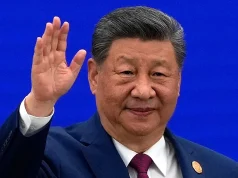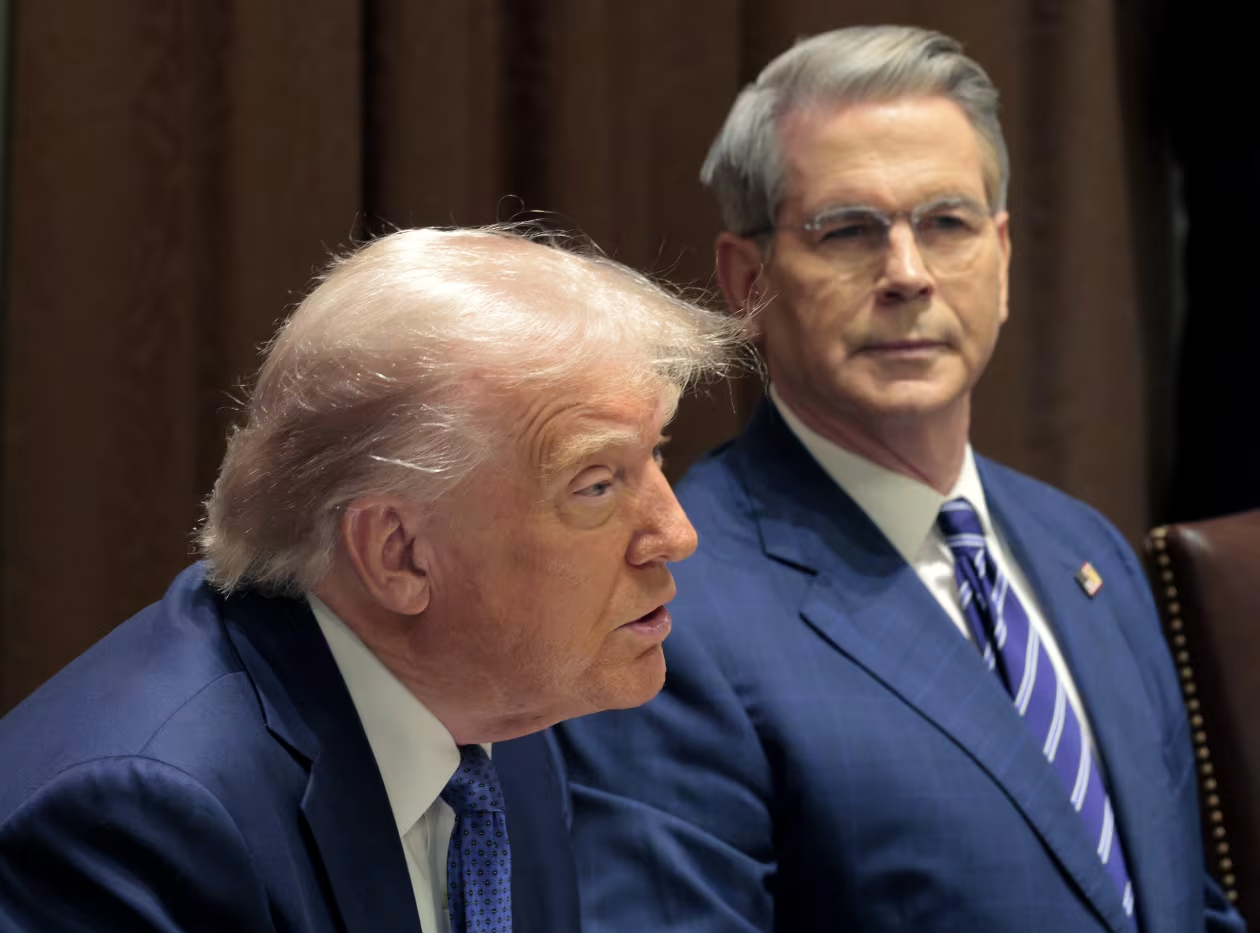
U.S. Treasury Secretary Scott Bessent said on Monday that any delay to a planned summit between **U.S. President Donald Trump and Chinese President Xi Jinping would likely be caused by the ongoing war with Iran rather than trade disputes between the two countries.
According to Bessent, President Trump may need to remain in Washington as the United States continues to address the escalating conflict involving Iran. The summit between the two leaders is currently scheduled to take place from March 31 to April 2.
Paris Talks Aim to Prepare Trump–Xi Meeting
Bessent, Chinese Vice Premier He Lifeng and U.S. Trade Representative Jamieson Greer held two days of economic discussions in Paris designed to prepare the groundwork for the anticipated summit between Washington and Beijing.
Speaking to reporters after the meetings, Bessent described the talks as constructive and said they demonstrated stability in the economic relationship between the United States and China.
However, he did not confirm whether the meeting between Trump and Xi will proceed as scheduled. In a recent interview with the Financial Times, Trump indicated that he might postpone the summit while urging Beijing to help reopen the strategically important Strait of Hormuz, which Iran has closed amid the conflict.
Bessent emphasized that if the summit were delayed, the decision would be due to Trump’s responsibilities as commander-in-chief during wartime rather than disagreements with China over shipping routes or trade policy.
Progress in U.S.–China Trade Talks
China’s top trade negotiator, Li Chenggang, described the discussions held at the Paris headquarters of the Organisation for Economic Co-operation and Development as open and constructive consultations.
Both sides agreed on the importance of maintaining stability in tariff levels between the two countries, which remains a key pillar of the current trade truce.
Greer also said the delegations had reached a preliminary agreement on a “work plan” designed to prepare potential economic deals for consideration when Trump and Xi eventually meet.
Among the topics discussed were plans to expand U.S. exports of agricultural products and energy resources to China. Officials also explored the idea of creating a formal mechanism to oversee bilateral trade, possibly called the U.S.-China Board of Trade.
This body would focus on identifying areas of mutual benefit by determining which goods the United States should import from China and which American products should be exported to the Chinese market.
In addition, officials discussed a potential “Board of Investment”, which would address investment-related issues between the two economies.
New U.S. Trade Investigations Raise Concerns
Despite the progress in talks, tensions remain over new trade investigations launched by Washington.
Li said Chinese officials had raised strong concerns regarding the United States’ Section 301 investigations, which target China and several other major trading partners over alleged unfair industrial practices and forced labor issues.
The probes could eventually lead to additional tariffs. They follow a U.S. Supreme Court decision earlier this year that struck down parts of the global tariff framework introduced by the Trump administration under emergency powers.
Li said China would closely monitor the investigations and reserved the right to take appropriate measures to protect its economic interests if necessary.
Limited Expectations for Major Breakthroughs
The Paris discussions followed a series of meetings held last year between Bessent, He, Greer and Li aimed at easing tensions between the world’s two largest economies.
However, analysts say expectations for major trade breakthroughs remain limited, largely due to the short preparation time and Washington’s focus on the ongoing conflict involving Iran.
Wendy Cutler, a former U.S. trade negotiator who now leads the Asia Society Policy Institute’s Washington office, said progress in economic cooperation could unfold gradually over multiple meetings this year.
Trump and Xi are expected to have several opportunities to meet in the coming months, including a potential state visit by Xi to the United States, the APEC summit hosted by China in November, and the G20 summit scheduled to take place in the United States in December.