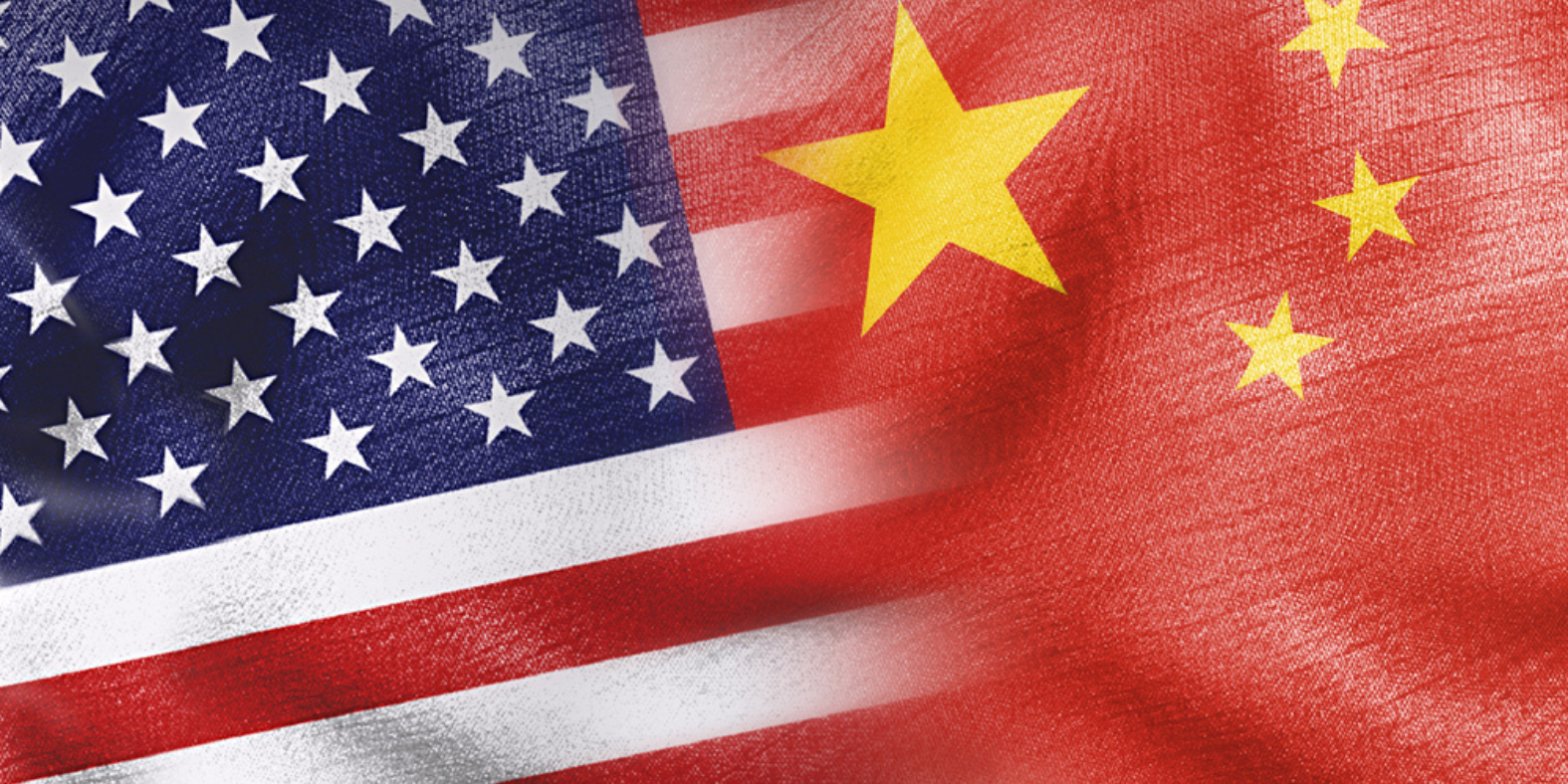
Senior economic officials from the United States and China concluded the first day of trade discussions in Paris on Sunday, part of a two-day meeting aimed at smoothing tensions in the current trade truce and preparing the ground for a possible summit between U.S. President Donald Trump and Chinese President Xi Jinping later this month in Beijing.
The talks are being led by Scott Bessent and Chinese Vice Premier He Lifeng, with discussions expected to address several sensitive trade issues. These include U.S. tariffs, China’s supply of rare earth minerals and magnets to American manufacturers, U.S. restrictions on high-tech exports, and Chinese purchases of American agricultural products.
Paris Talks Focus on Key Trade Issues
The negotiations took place at the Paris headquarters of the Organisation for Economic Co-operation and Development and lasted more than six hours on Sunday. Talks are scheduled to resume on Monday morning, according to a spokesperson for the U.S. Treasury.
Officials from both sides declined to comment publicly about the tone or progress of the discussions as they left the meeting.
Jamieson Greer, who is also taking part in the negotiations, said earlier that the United States aims to maintain stability in the economic relationship between the two largest economies in the world.
Speaking to CNBC before departing for Paris, Greer explained that Washington wants to ensure continued access to critical rare earth materials needed for U.S. manufacturing while also encouraging China to increase purchases of American goods.
Efforts to Stabilize U.S.–China Trade Relations
The Paris meeting follows a series of negotiations between the two countries held in several European cities last year. Those discussions were aimed at easing tensions that had pushed bilateral trade close to a breakdown.
However, analysts believe that a major breakthrough is unlikely in the short term, particularly given the limited preparation time and Washington’s focus on the ongoing conflict involving Iran.
Scott Kennedy, an expert on China’s economy at the Center for Strategic and International Studies in Washington, said both sides appear primarily interested in preventing relations from deteriorating further.
According to Kennedy, Trump may hope to secure major commitments from China, such as orders for new **Boeing aircraft and increased purchases of U.S. liquefied natural gas and soybeans. In return, Washington might need to consider easing certain export restrictions on high-technology products.
Beyond the potential Beijing meeting, Trump and Xi may have additional opportunities to meet later this year, including at the APEC summit scheduled for November in China and the G20 summit hosted by the United States in December.
Iran Conflict and Oil Market Concerns
The ongoing conflict involving Iran is also expected to influence the discussions in Paris. Rising oil prices and the closure of the Strait of Hormuz, a critical shipping route for global energy supplies, have raised concerns about global economic stability.
China receives roughly 45% of its oil imports through the Strait of Hormuz, making the situation particularly important for Beijing.
Recently, the U.S. administration announced a 30-day sanctions waiver allowing the sale of Russian oil stranded at sea, an effort aimed at boosting global supply. Trump has also urged international partners to help secure shipping routes in the Strait after U.S. strikes targeted Iranian military facilities on Kharg Island.
Chinese state media suggested that stronger economic cooperation between the United States and China could help restore confidence in the fragile global economy.
Review of the 2025 Trade Truce
Another key focus of the talks is a review of commitments made under the October 2025 trade truce agreement reached in Busan, South Korea. That deal helped prevent a major escalation in tensions between the two countries.
The agreement included reductions in U.S. tariffs on Chinese imports and a one-year pause on strict Chinese export controls covering rare earth materials. It also temporarily halted the expansion of a U.S. blacklist restricting Chinese companies from purchasing advanced American technology, including semiconductor manufacturing equipment.
As part of the agreement, China pledged to buy 12 million metric tons of U.S. soybeans in 2025 and 25 million metric tons in 2026.
U.S. officials have indicated that China has largely met its early commitments under the deal, particularly regarding soybean purchases.
However, shortages of certain rare earth materials continue to affect American industries. U.S. aerospace and semiconductor manufacturers have reported difficulties obtaining key elements such as yttrium, which is used in heat-resistant coatings for jet engines.
William Chou, a senior fellow at the Hudson Institute, said the United States will likely prioritize increased Chinese purchases of agricultural products and improved access to rare earth exports during the Paris talks.
New Trade Investigations Add Tensions
The negotiations also come amid new trade investigations launched by Washington. The U.S. has initiated a Section 301 probe into what it describes as unfair industrial practices involving China and several other major trading partners. The investigation could potentially lead to additional tariffs in the coming months.
A separate inquiry is examining alleged forced labor practices in dozens of countries, including China. Countries found to be violating labor standards could face new trade penalties.
China has strongly criticized the investigations and warned that it may respond with countermeasures. Chinese state media described the probes as unilateral actions that risk complicating ongoing negotiations.
Despite these tensions, Chinese officials say the Paris talks represent both an opportunity and a test for improving economic relations between the two countries.