European stock markets opened lower on Friday, as oil prices continued to trade above $100 per barrel despite U.S. efforts to ease global supply pressures by allowing limited purchases of sanctioned Russian crude.
By 04:04 ET (08:04 GMT), major European indices had declined across the board. The pan-European Stoxx 600 fell 0.7%, Germany’s DAX dropped 0.9%, France’s CAC 40 declined 1.0%, and the FTSE 100 in the United Kingdom slipped 0.8%.
European Stocks Weighed Down by Middle East Conflict
European equities followed weaker market sentiment in Asia, as investors showed little confidence that the U.S.-Israeli conflict with Iran will end soon.
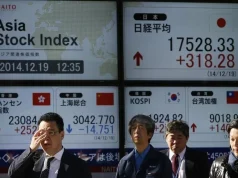
Major Asian markets also posted significant losses. Stock indices in Japan and South Korea, both heavily dependent on Middle Eastern oil imports, fell more than 1.4% during the session.
Strait of Hormuz Disruptions Raise Energy Concerns
The situation in the Strait of Hormuz remains a major source of concern for global markets. The strategic shipping route—surrounded on three sides by Iran—handles a large share of the world’s oil transportation.
Iran’s new Supreme Leader Mojtaba Khamenei announced on Thursday that the strait will remain closed until hostilities come to an end.
As a result, container shipping traffic through the region has nearly stopped, with companies worried about potential attacks on vessels. Shipping operators are also struggling to secure insurance coverage for routes passing through the increasingly risky area.
Oil Prices Remain Elevated Despite Supply Measures
Although the United States and the International Energy Agency (IEA) have taken steps in recent days to increase oil supply, the measures have not fully eased market concerns.
Brent crude prices have climbed back above $100 per barrel, reflecting continued fears of supply disruptions. Oil markets have also experienced extreme volatility, with Brent briefly surging close to $120 per barrel earlier in the week before falling below $90, and then rebounding again.
Even with these fluctuations, prices remain significantly higher than levels seen before the conflict began, adding pressure to global financial markets.
Inflation Fears Weigh on European Markets
The surge in oil prices has increased concerns about rising inflation worldwide, which could reduce expectations for central banks to ease monetary policy.
In Europe, these worries have pushed government bond yields higher in countries such as Germany and France, placing additional pressure on equity markets.
Analysts at ING noted that both European and Asian stock markets have been more heavily affected than U.S. equities, and warned that the gap could widen if the crisis continues.
Investors Monitor Inflation Data
Traders are also closely analyzing new inflation figures from France and Spain.
In France, consumer prices increased 1.1% year-on-year in February based on the EU-harmonized index, matching market expectations and accelerating from 0.4% in January.
In Spain, the same inflation measure rose slightly to 2.5%, signaling continued price pressures across the eurozone.
Markets Await Key U.S. Inflation Indicator
Later on Friday, investors will turn their attention to the U.S. Personal Consumption Expenditures (PCE) price index, which is closely monitored by the Federal Reserve as a key measure of inflation.
However, the data covers January inflation, meaning it largely predates the start of the Iran conflict.
The war began in late February with U.S. and Israeli air strikes on Iran, and since then the outlook for inflation—particularly in Europe—has worsened as energy prices surged.