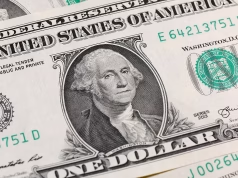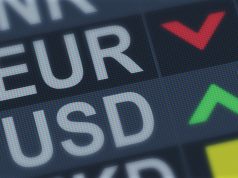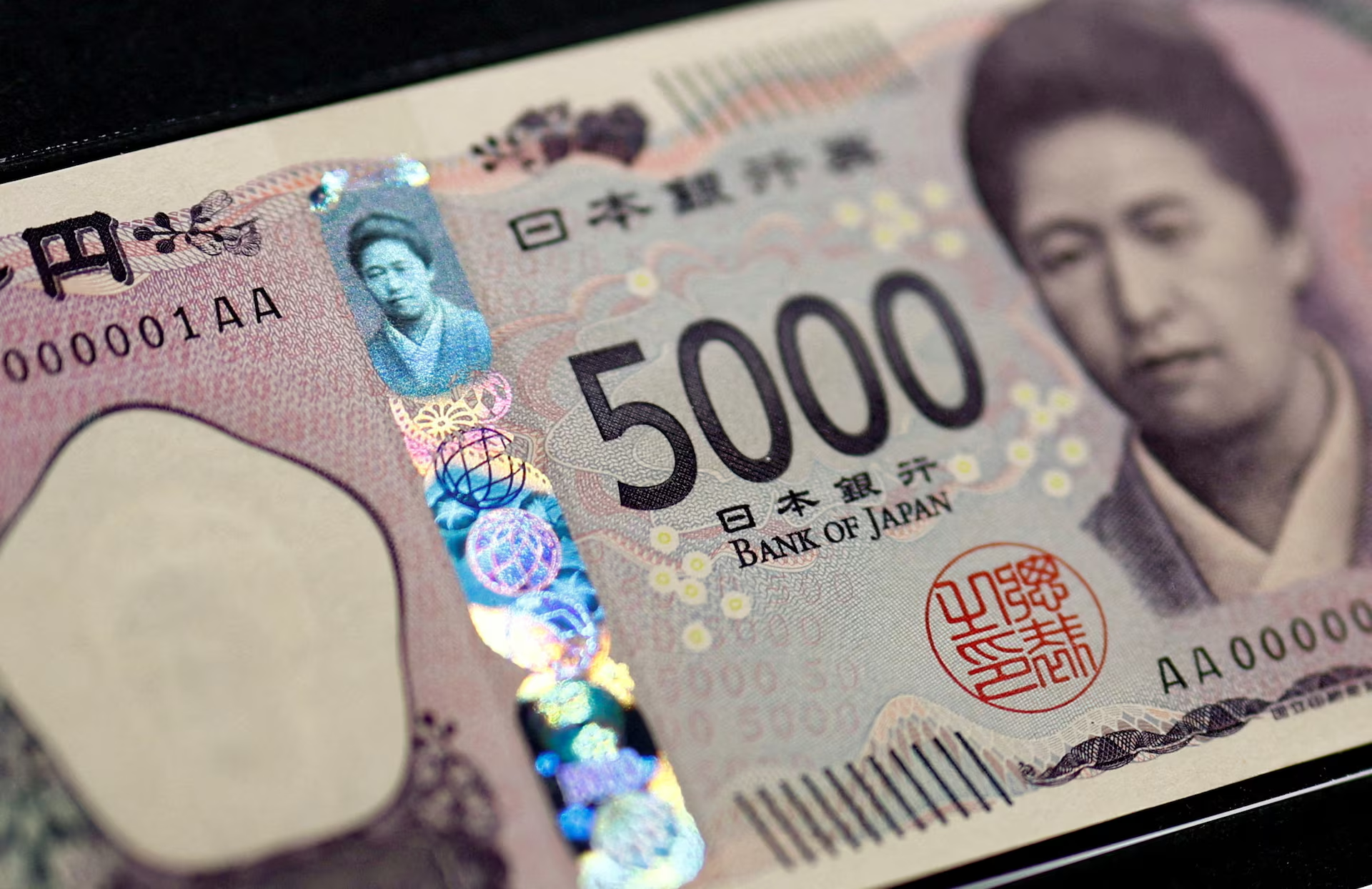
The Japanese yen weakened sharply on Tuesday, falling to its lowest level since July 2024, while the U.S. dollar remained under pressure as investors grew increasingly uneasy about the independence of the Federal Reserve. Market concerns intensified after the Trump administration launched a criminal investigation into Fed Chair Jerome Powell.
During Asian trading hours, the yen was the standout mover, sliding to 158.975 per dollar, its weakest level in more than a year. The decline followed a report by Kyodo stating that Japanese Prime Minister Sanae Takaichi had signaled to a senior ruling party official her intention to dissolve the lower house of parliament at the start of its regular session on January 23.
The Japanese currency had already been under pressure earlier in the week after Hirofumi Yoshimura, leader of the Japan Innovation Party, suggested that Takaichi could call a snap general election.
According to Carol Kong, a currency strategist at Commonwealth Bank of Australia, markets are increasingly pricing in a scenario where Takaichi’s coalition secures more seats in the powerful lower house. Such an outcome would likely strengthen her ability to pursue looser fiscal policy and potentially influence monetary policy as well. These expectations, she noted, are a key factor behind the yen’s current selloff.
The yen also hit record lows against the euro and the Swiss franc, while slipping to its weakest level versus the British pound since August 2008.
Earlier, Japan’s Finance Minister Satsuki Katayama said she and U.S. Treasury Secretary Scott Bessent shared concerns about what she described as the yen’s “one-sided depreciation.” Her comments came as Tokyo stepped up warnings of possible market intervention to slow the currency’s decline.
Powell investigation unsettles markets
Investor sentiment was also weighed down by the Trump administration’s investigation into Powell, a move that drew criticism from former Fed leaders and marked a significant escalation in Donald Trump’s efforts to pressure the central bank into cutting interest rates more aggressively.
The immediate market response included selling of the dollar and U.S. Treasuries, while some investors sought safety in gold. However, the reaction was far more restrained than the sharp selloff that followed Trump’s sweeping tariff announcement last April.
Vishnu Varathan, head of macro research for Asia ex-Japan at Mizuho, said the episode appeared relatively mild. Losses in both the dollar and U.S. Treasuries were limited, as markets likely view the move as a political threat that may ultimately fade.
In currency markets, the euro slipped 0.08% to $1.1657 after rising as much as 0.5% in the previous session. Sterling gained 0.07% to $1.3475, extending Monday’s advance. The Swiss franc, which had benefited from safe-haven demand, was steady at 0.7976 per dollar.
The dollar index edged slightly higher to 99.01, following its weakest performance in three weeks. According to Sim Moh Siong, FX strategist at OCBC, the outlook for the dollar remains mixed. While strong economic data suggest the Fed should be cautious about cutting rates, rising political pressure could eventually push policymakers toward a more dovish stance.
Despite the investigation, market expectations for two Federal Reserve rate cuts this year remain largely unchanged. However, the episode has reignited concerns about the Fed’s autonomy, a cornerstone of U.S. economic policy and financial stability.
On Monday, Fitch Ratings said it considers the Fed’s independence a key factor supporting the United States’ AA+ sovereign credit rating.
U.S. Treasury yields stabilized on Tuesday, with the benchmark 10-year yield holding at 4.195%. The two-year yield climbed to a three-week high of 3.5533.
Elsewhere, the Australian dollar eased 0.04% to $0.6707, while the New Zealand dollar rose 0.1% to $0.5777. A private survey showed Australian consumer sentiment weakened in January amid renewed interest-rate concerns and an uncertain economic outlook. Separately, a private think tank reported that New Zealand’s business confidence improved in the fourth quarter, reaching its highest level since March 2014.