Gold Falls to Three-Week Lows as Dollar and Oil Rise
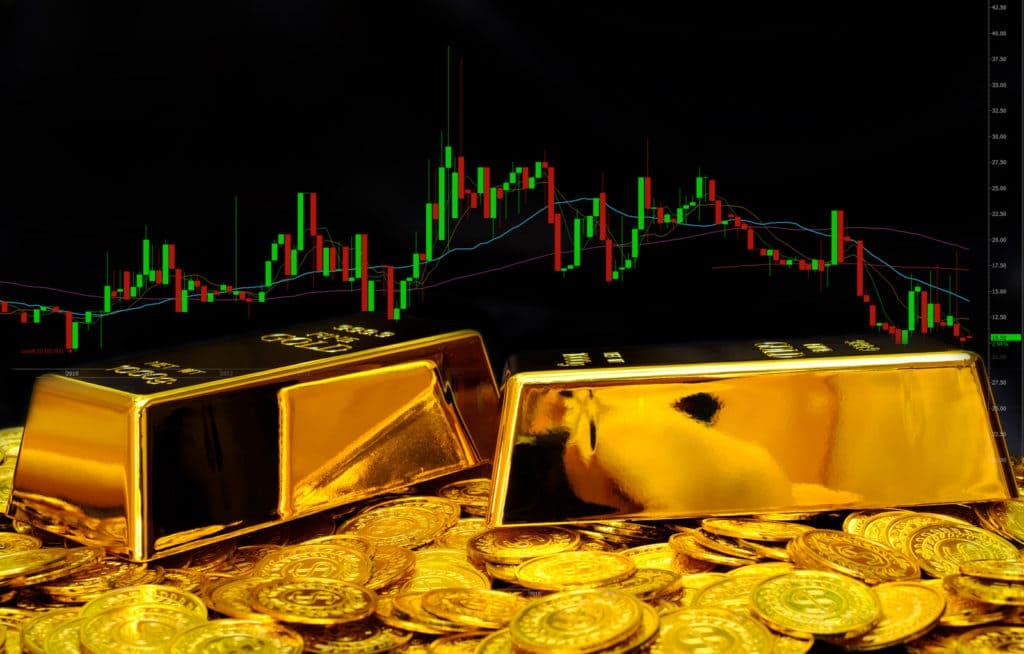
Gold prices dropped sharply on Tuesday, hitting their lowest level in three weeks as the United States dollar strengthened and oil prices surged. Investors are also closely watching a wave of central bank interest rate decisions expected this week.
By 09:07 ET (13:07 GMT), spot gold declined 2.2% to $4,577.66 per ounce, while gold futures fell by the same margin to $4,588.69 per ounce.
Stronger Dollar Reduces Gold’s Appeal
The stronger U.S. dollar has made gold more expensive for international buyers, weighing on demand. The greenback has remained resilient, trading above pre-war levels as investors continue to view it as a safe-haven asset during geopolitical uncertainty.
Additionally, the U.S.’s position as a major energy exporter has helped support the dollar, further pressuring gold prices.
Oil Price Surge Adds to Downward Pressure
Gold also came under pressure as oil prices moved higher following renewed geopolitical tensions. Reports indicate that Donald Trump rejected Iran’s latest proposal to end the ongoing conflict and reopen the Strait of Hormuz.
The proposal reportedly included delaying discussions around Iran’s nuclear program—an issue that remains central to U.S. policy.
As a result of the ongoing standoff, the Strait of Hormuz remains largely closed to shipping, pushing oil prices higher. This key waterway accounts for roughly 20% of global crude oil flows.
Inflation Fears Weigh on Gold Outlook
Rising oil prices have intensified concerns about inflation, which could prompt central banks to tighten monetary policy. Higher interest rates typically reduce the appeal of non-yielding assets like gold, adding further downside pressure.
Central Bank Decisions in Focus
Attention is now turning to major central bank meetings this week. The Bank of Japan kept interest rates unchanged at 0.75%, but signaled growing concerns about inflation and slowing economic growth.
The decision was not unanimous, with several policymakers supporting a rate hike due to rising inflation risks. The central bank also indicated it may continue raising rates if economic conditions warrant.
Analysts expect further policy signals from the Federal Reserve, the European Central Bank, and the Bank of England later this week.