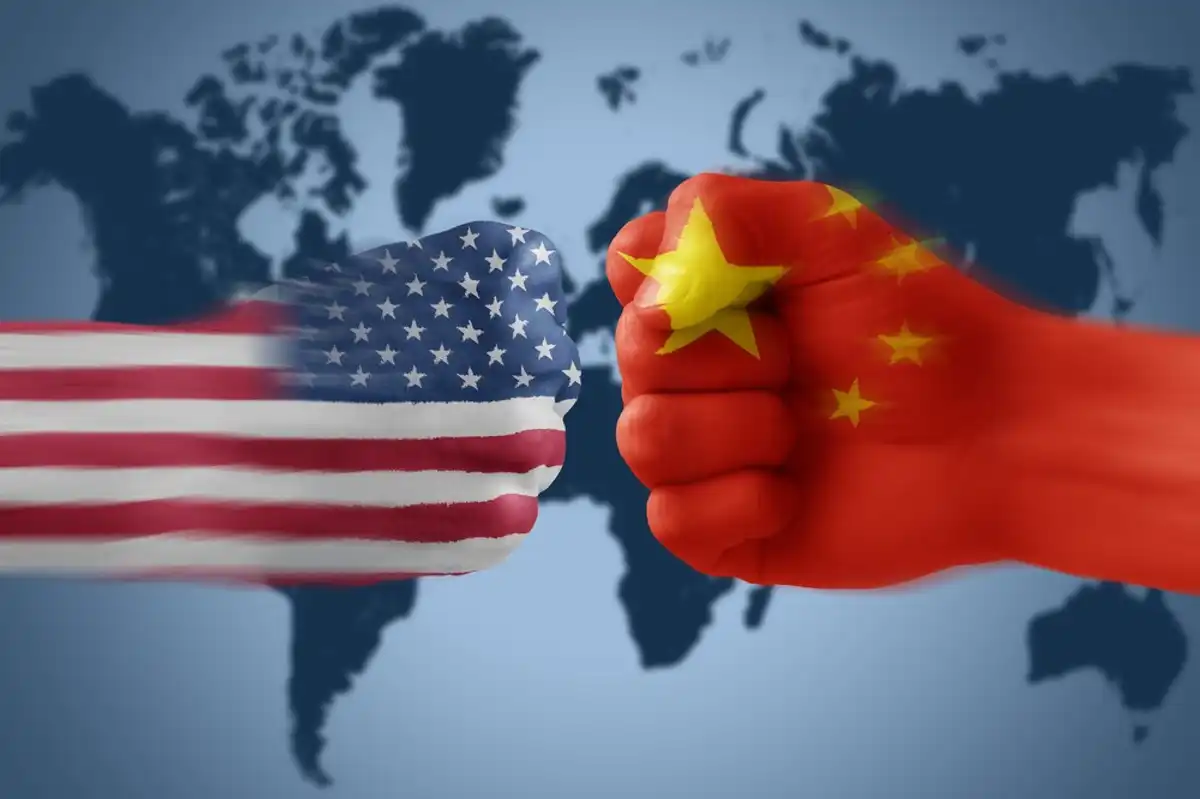
Beijing Tightens Grip Before Trump–Xi Trade Talks
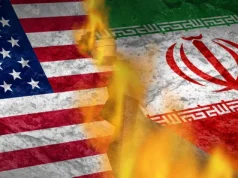
Beijing is building leverage ahead of the upcoming U.S.-China negotiations, where Presidents Donald Trump and Xi Jinping are expected to meet in Seoul later this month.
The Chinese government has unveiled new export controls targeting key high-tech manufacturing materials, signaling its intent to strengthen its hand in the talks.
Both superpowers are finding it difficult to move beyond their current tariff truce—a 90-day pause from August 11 that ends around November 9.
Officials from both sides have been holding frequent meetings to discuss long-standing issues, including follow-ups to the Madrid summit, where progress was made on the TikTok investment deal giving the U.S. a stake in one of China’s most globally successful companies.
How the Trade War Evolved
The trade war between the U.S. and China escalated early this year.
On February 4, Trump imposed an additional 10% tariff on Chinese imports, urging Beijing to curb the export of fentanyl precursors fueling the U.S. opioid crisis.
China retaliated with tariffs on American goods such as farm equipment, automobiles, and commodities, alongside new investigations into U.S. firms.
By April, Trump expanded duties beyond 100% under his “Liberation Day” measures. While pausing reciprocal tariffs on other nations, he maintained the pressure on China.
In response, Beijing raised its own levies, sparking several rounds of tariff hikes through May, until both sides agreed on May 12 to a temporary 90-day truce.
That agreement reduced U.S. tariffs on Chinese goods from 145% to 30%, and China’s tariffs on American goods from 125% to 10%. Two more extensions followed, with the latest beginning on August 11.
China Targets Critical Minerals
China has now expanded export restrictions on critical minerals, a move expected to shake up global supply chains.
Beijing added five new elements to its control list and imposed curbs on exports of synthetic diamonds and artificial graphite anodes—materials vital for semiconductors, quantum devices, and advanced electronics.
These restrictions will take effect November 8, just one day before the current tariff pause expires.
Trump and Xi are likely to discuss the issue at the upcoming APEC summit.
China remains the world’s largest producer of rare earths, essential for batteries, semiconductors, aircraft engines, and consumer electronics. Earlier restrictions in April triggered global shortages before temporary deals with Europe and the U.S. eased the crisis.
The Semiconductor Battle
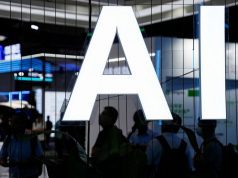
Beijing’s tighter control of minerals comes as Washington continues to limit China’s access to advanced semiconductors—a cornerstone of the AI and tech race.
U.S. officials argue these restrictions prevent China from reverse-engineering or rapidly replicating cutting-edge chips, which could shift both economic and military power.
China, however, accuses Washington of trying to contain its economic development, calling on the Trump administration to lift the export bans and technology restrictions.
Taiwan and Diplomatic Pressure
China also aims to secure a shift in the U.S. stance on Taiwan.
Reports suggest Beijing is pressing Washington to change its diplomatic language from saying the U.S. “does not support Taiwan independence” to explicitly stating it “opposes Taiwan independence.”
This remains one of the most sensitive points in the broader U.S.-China relationship.
Balancing Trade and Investment
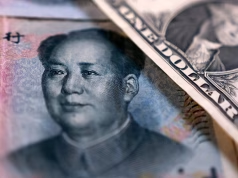
Beijing wants the U.S. to remove additional tariffs and ease investment restrictions that block Chinese firms from entering the American market.
The U.S. continues to scrutinize Chinese investments due to concerns about technology transfer, cybersecurity, and dual-use military applications, especially in fields like AI, aerospace, biotechnology, and telecommunications.
Meanwhile, Washington has floated possible deals under which China could purchase more Boeing aircraft and increase U.S. soybean imports, though commitments remain uncertain.
Fentanyl Dispute
Despite Trump’s 20% tariffs on fentanyl-related imports introduced earlier this year, Beijing has yet to meet U.S. demands for a significant crackdown.
In June, China added two precursors to its list of controlled chemicals and reported 2,000 arrests tied to drug-related money laundering.
The Trump administration, however, has shown no sign of easing pressure on this issue.