

What Is Fundamental Analysis?
Fundamental analysis is the process of evaluating the intrinsic value of an asset by analyzing economic, financial, and qualitative factors.
Instead of focusing on price charts, fundamental analysis examines the underlying forces that drive market movements.
This includes data such as economic indicators, company earnings, interest rates, and global events.
The goal is to determine whether an asset is overvalued or undervalued.
Why Fundamental Analysis Matters
Markets do not move randomly.
Behind every price movement, there is a reason.
Interest rate changes, inflation reports, company performance, and geopolitical developments all influence supply and demand.
Fundamental analysis helps traders and investors understand these drivers and make more informed decisions.
It is especially important for long-term investing and macro-level trading.

Key Economic Indicators You Should Know
Economic indicators provide insight into the health of an economy.
Some of the most important include:
Interest Rates
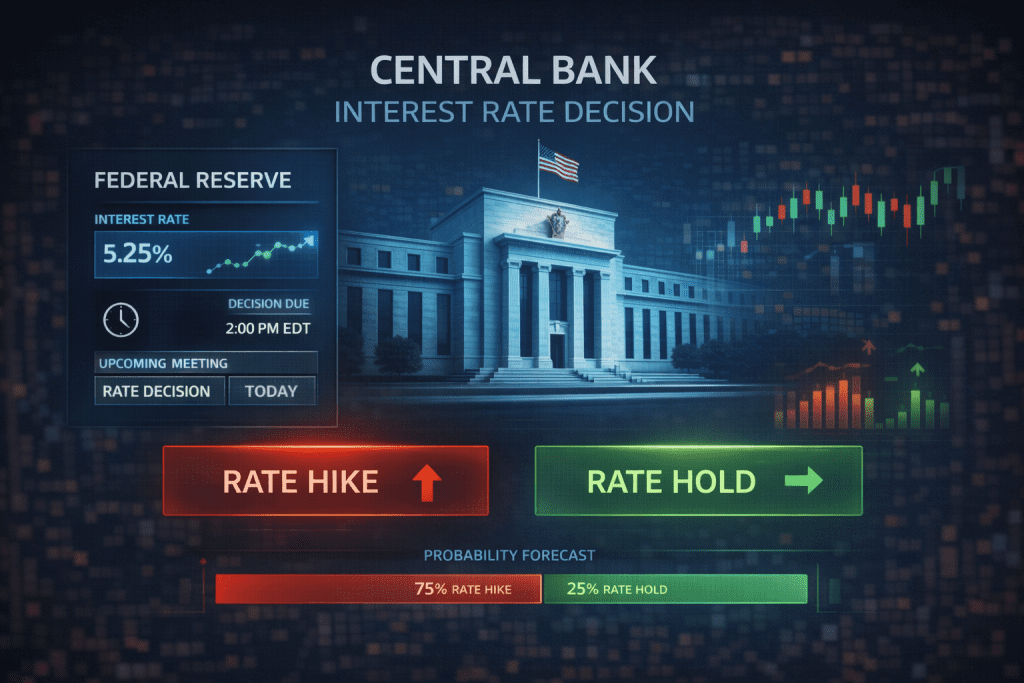
Central banks set interest rates to control inflation and economic growth.
Higher interest rates typically strengthen a currency, while lower rates tend to weaken it.
Inflation
Inflation measures how quickly prices are rising.
Moderate inflation is normal, but high inflation can reduce purchasing power and impact markets negatively.
GDP (Gross Domestic Product)
GDP reflects the total economic output of a country.
Strong GDP growth indicates a healthy economy.
Employment Data
Reports such as unemployment rates and job creation provide signals about economic strength.
Strong employment data often supports market growth.
Fundamental Analysis in Different Markets
Fundamental analysis applies differently depending on the market.
Stocks
In stocks, traders analyze:
- company earnings
- revenue growth
- profit margins
- industry position
A strong company with solid fundamentals is more likely to grow over time.
Forex
In forex, the focus is on:
- interest rate differentials
- economic strength between countries
- central bank policies
Currencies are driven primarily by macroeconomic factors.
Crypto
In cryptocurrencies, fundamentals include:
- adoption
- network activity
- technology development
- regulatory environment
Although crypto is more speculative, fundamentals still play a role.
Understanding Earnings Reports
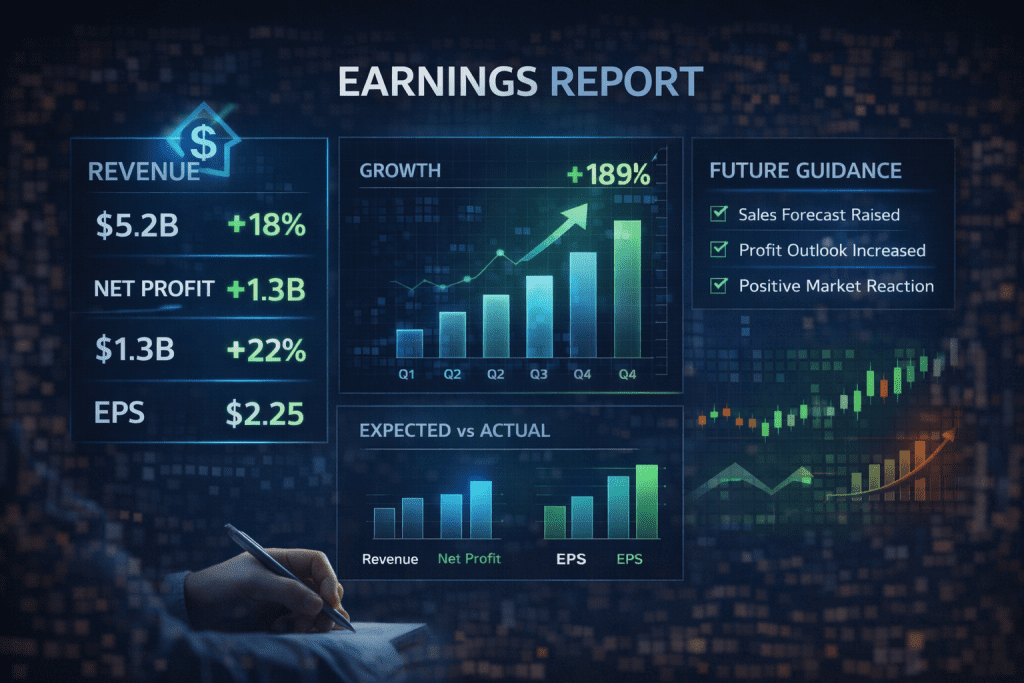
Earnings reports are critical for stock traders.
They show how a company is performing financially.
Key elements include:
- revenue
- net profit
- earnings per share (EPS)
- future guidance
Markets often react strongly to earnings surprises.
Fundamental vs Technical Analysis
Fundamental analysis and technical analysis are different approaches.
Fundamental analysis focuses on value and long-term drivers.
Technical analysis focuses on price action and timing.
Many traders combine both methods to improve decision-making.
Fundamentals provide direction, while technicals provide entry and exit points.
Common Mistakes to Avoid
Beginners often:
- ignore economic calendars
- overreact to news headlines
- misunderstand data releases
- rely on single indicators
It is important to analyze the broader context rather than focusing on isolated events.
Building a Fundamental Analysis Framework
A structured approach includes:
- tracking key economic indicators
- following central bank decisions
- analyzing relevant news
- focusing on long-term trends
Consistency is key when applying fundamental analysis.
Final Thoughts
Fundamental analysis helps you understand why markets move.
By analyzing economic data, company performance, and global events, you gain deeper insight into market behavior.
While it may seem complex at first, mastering the basics can significantly improve your decision-making.
In the long run, understanding fundamentals gives you a strong advantage in financial markets.