What Is Forex Trading?
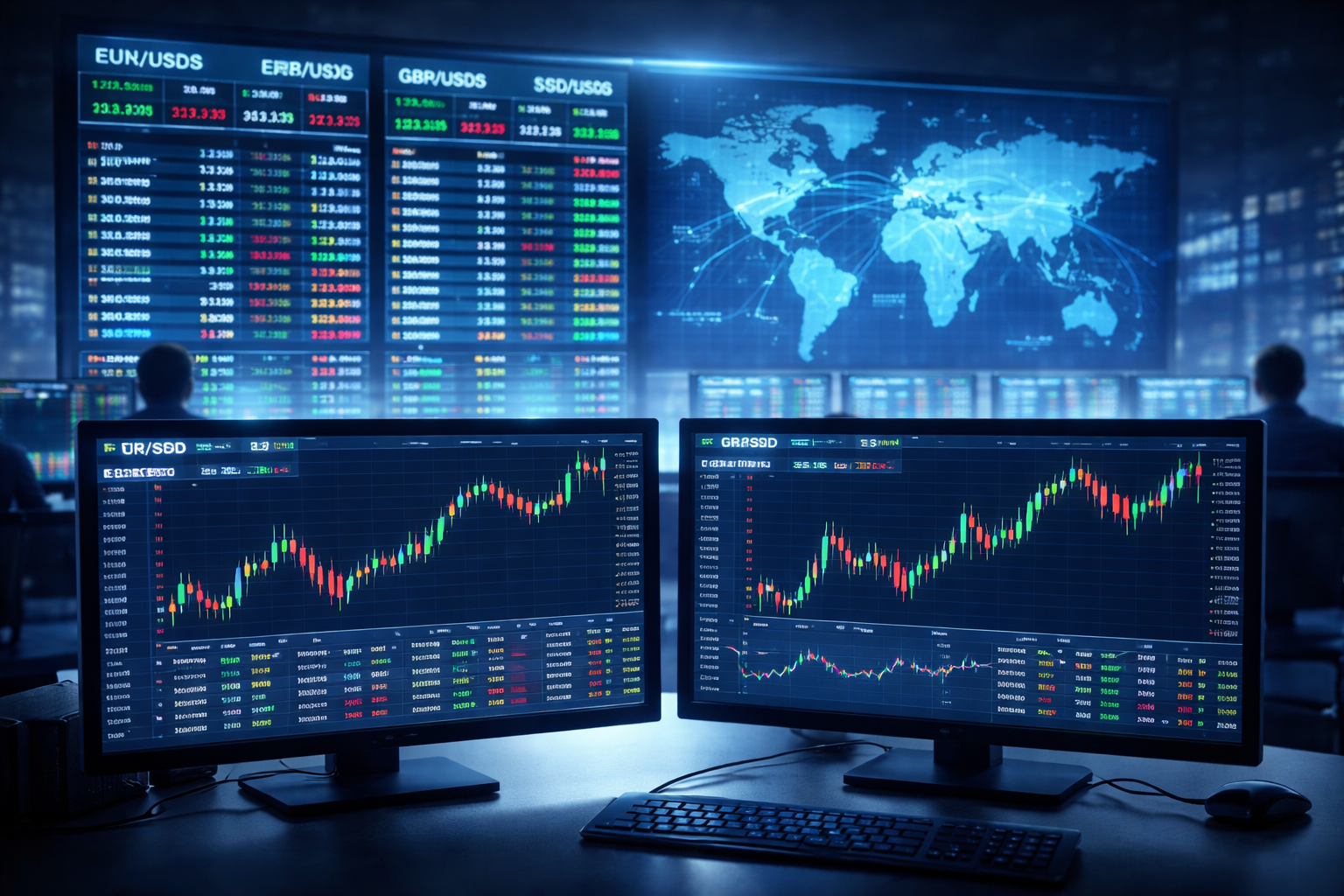
Forex trading is the process of buying and selling currencies in the global foreign exchange market.
It is the largest financial market in the world, with trillions of dollars traded every day.
Unlike the stock market, forex operates 24 hours a day across different time zones.
Currencies are always traded in pairs, meaning you are buying one currency while selling another.
How the Forex Market Works
The forex market is decentralized.
There is no single exchange where all trades happen.
Instead, transactions occur through a global network of banks, institutions, and brokers.
Prices are determined by supply and demand.
When demand for a currency increases, its value rises.
When demand decreases, its value falls.

Understanding Currency Pairs
In forex trading, currencies are quoted in pairs.
For example:
EUR/USD
GBP/USD
USD/JPY
The first currency is called the base currency.
The second is the quote currency.
If EUR/USD rises, it means the euro is strengthening against the dollar.
Understanding this relationship is essential for trading.
Major, Minor, and Exotic Pairs
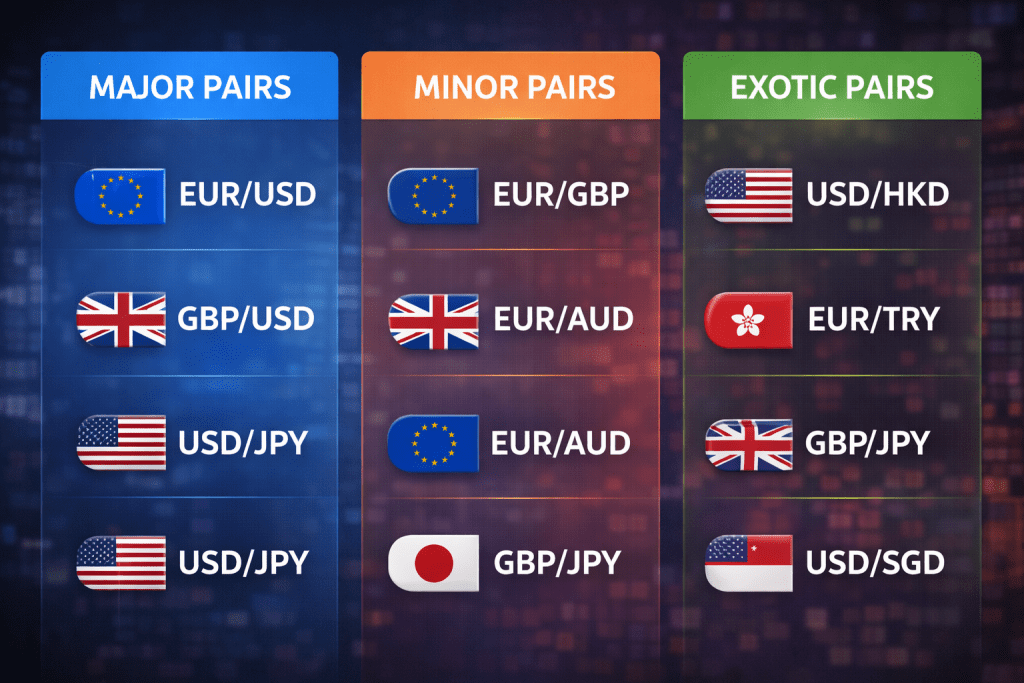
Currency pairs are grouped into categories.
Major Pairs
These include the most traded currencies in the world, such as EUR/USD and USD/JPY.
They offer high liquidity and lower spreads.
Minor Pairs
These do not include the US dollar but involve major currencies.
They are less liquid than majors.
Exotic Pairs
These involve one major currency and one from a smaller economy.
They tend to have higher volatility and wider spreads.
What Moves the Forex Market
Several factors influence currency prices.
Interest rates are one of the most important drivers.
Higher interest rates tend to attract investors and strengthen a currency.
Economic data also plays a key role.
Inflation, GDP, and employment reports can cause strong market movements.
Geopolitical events and central bank decisions also impact currency values.
Leverage in Forex Trading
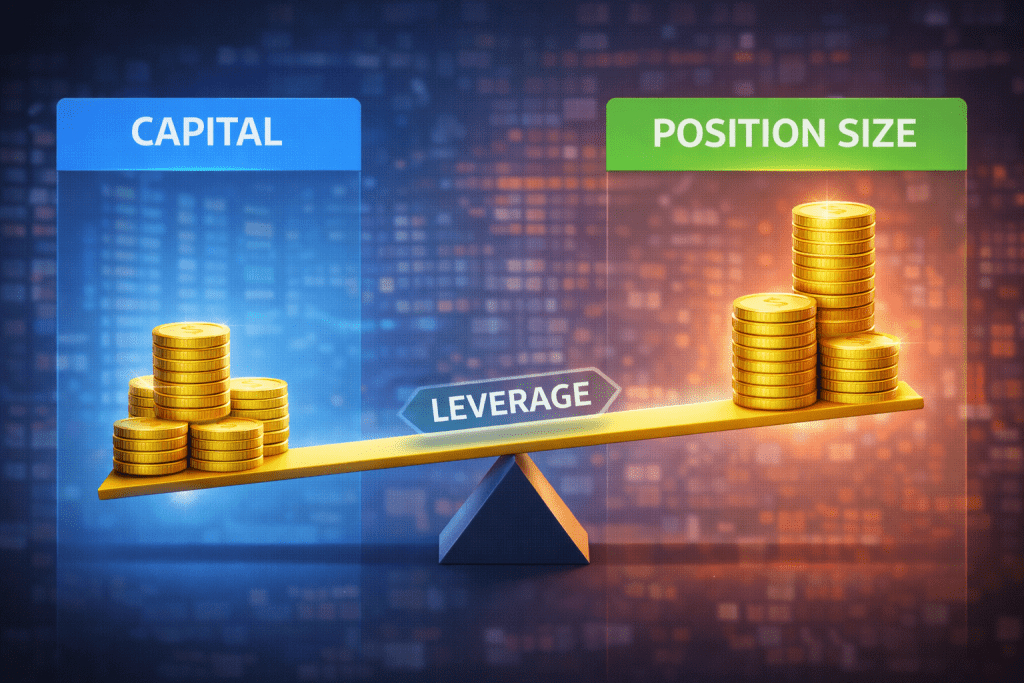
Forex trading often involves leverage.
Leverage allows traders to control larger positions with a smaller amount of capital.
While this increases potential profits, it also increases risk.
Proper risk management is essential when using leverage.
Advantages of Forex Trading
Forex trading offers several advantages.
It is highly liquid, meaning trades can be executed quickly.
The market is open 24 hours a day.
There are many trading opportunities due to constant price movement.
It is also accessible to beginners with relatively small capital.
Risks of Forex Trading
Despite its advantages, forex trading carries significant risks.
High volatility can lead to rapid losses.
Leverage can amplify both gains and losses.
Emotional trading can lead to poor decisions.
Understanding these risks is essential before trading.
Common Beginner Mistakes
New traders often:
overuse leverage
trade without a plan
ignore economic news
chase the market
Avoiding these mistakes improves long-term success.
How to Get Started
To begin trading forex, you need:
a trading account with a broker
a basic understanding of currency pairs
a clear strategy
Starting with small positions and focusing on learning is the best approach.
Final Thoughts
Forex trading is a dynamic and fast-moving market that offers many opportunities.
By understanding how currencies work and what drives their value, you can make more informed decisions.
Success in forex comes from discipline, knowledge, and consistent execution.