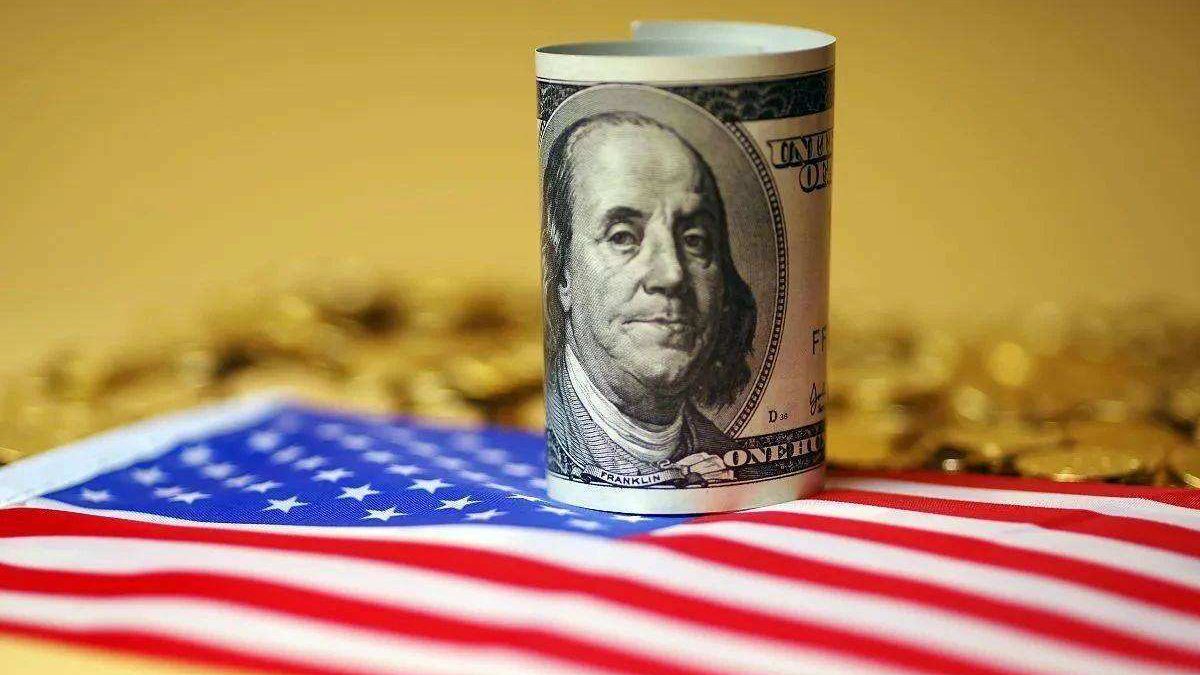
The outlook for the U.S. dollar remains bearish at the start of 2026, according to a survey of currency strategists conducted by Reuters. Analysts expect the greenback to weaken modestly by the end of the year, weighed down by ongoing concerns over Federal Reserve independence and the prospect of lower U.S. interest rates.
The dollar fell nearly 10% against a basket of major currencies last year, marking its worst performance since 2017. Investors have been assessing multiple headwinds, including the highest U.S. tariffs since the Great Depression, signs of softness in the labor market, and plans for several trillion dollars in additional government borrowing in the years ahead.
Markets have also been focused on questions surrounding the central bank’s autonomy and the succession of Jerome Powell, whose term as Fed chair ends in May, with an announcement on his replacement expected soon.
Little has shifted sentiment over the past month. A Reuters poll conducted between January 5 and 7 showed foreign exchange forecasters largely maintaining the view that the dollar’s downward trend will continue.
Survey medians, broadly unchanged from December, indicate the euro is expected to rise by about 1% per quarter, reaching roughly $1.19 by mid-year and $1.20 by the end of 2026. Only 12 of the 71 respondents, or 17%, forecast the single currency weakening from current levels by year-end.
Vincent Reinhart, chief economist at BNY Investments and a former Fed official, said the White House wants greater influence over monetary policy and a push toward easier rates. He noted that the dollar is likely to trade sideways in the near term, with limited policy changes expected until a new Fed chair is appointed.
Over the medium to longer term, Reinhart argued there are several forces that could drive further dollar depreciation. These include the Fed easing more aggressively than other major central banks, the United States becoming a less attractive safe haven, and a narrowing growth gap between the U.S. and its major trading partners.
The Federal Reserve has already cut its benchmark interest rate three times since September, bringing the federal funds rate to a range of 3.50%–3.75%, largely due to rising concerns about a weakening job market. Policymakers’ own projections point to one additional rate cut later this year.
At the same time, Fed officials have signaled a pause to evaluate incoming economic data, highlighting divisions between those worried about inflation, which remains above the 2% target, and others concerned that further job losses could occur without lower borrowing costs.
Paul Mackel, global head of FX research at HSBC, said the impact of fiscal expansion under the Trump administration is beginning to show, while the effects of last year’s tariffs— which raised costs for U.S. companies importing goods—are still feeding through the economy.
Mackel cautioned that inflation risks have not fully faded, but said the Fed still has an easing bias, reinforcing expectations that a softer dollar environment will persist in the months ahead.
Currency traders, who have held net-short dollar positions for much of the past year, appear likely to maintain that stance in the near term. Nearly 90% of strategists surveyed said those positions would either remain unchanged or increase by the end of January.
Interest rate futures currently price in at least two Fed rate cuts this year, with scope for additional easing if monetary policy becomes more exposed to political pressure.
Several analysts said that risk is closely linked to developments around Fed leadership, including legal challenges involving President Donald Trump and his efforts to remove Fed Governor Lisa Cook.
Erik Nelson, head of G10 FX strategy at Wells Fargo, said a successful move to remove Cook could trigger larger outflows from U.S. assets, particularly in fixed income and AI-related investments. He added that increased pressure on the Fed could accelerate the dollar’s weakness and make the move more pronounced.