Wall Street Turns Lower as Early Rebound Fades
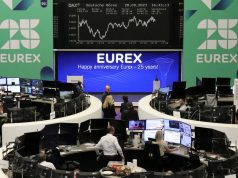
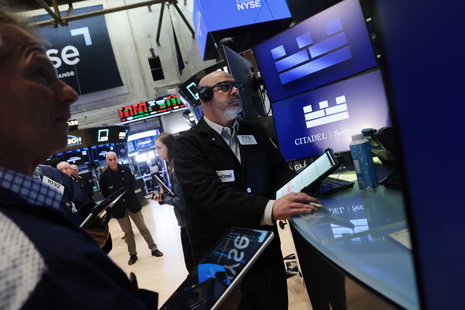
U.S. stocks declined on Monday after an initial rebound attempt lost momentum later in the session. Although bond market pressure eased slightly following supportive comments from Federal Reserve Chair Jerome Powell, equities failed to hold early gains.
By 15:15 ET (19:15 GMT), the S&P 500 dropped 0.7% to 6,325.85, reversing an earlier rise of nearly 0.9%. The Nasdaq Composite fell 1.1% to 20,719.16, while the Dow Jones Industrial Average slipped 0.1% to 45,109.05.
Weak Sentiment Persists After Sharp Market Sell-Off
Market sentiment remains fragile following last week’s steep losses. Analysts suggest that the earlier rebound was largely driven by algorithmic trading rather than any meaningful improvement in macro conditions, including the geopolitical outlook, Federal Reserve policy, or the U.S. economy.
Major Indexes Enter Correction Territory
Wall Street ended last week under heavy pressure, with both the Nasdaq and Dow Jones entering correction territory after falling more than 10% from recent highs. The S&P 500 also closed nearly 9% below its record level, reflecting broad market weakness.
Despite President Donald Trump delaying a key deadline related to Iran and the Strait of Hormuz, conflicting reports about ongoing attacks and stalled negotiations have continued to weigh on investor confidence.
Oil Price Surge Raises Inflation Concerns
A sharp rise in oil prices since the escalation of the Middle East conflict has fueled fears of renewed inflation. Higher energy costs are increasing the likelihood of tighter monetary policy, which has pushed government bond yields higher and pressured equity markets.
However, some analysts believe that markets may be overreacting, noting that stock prices often factor in worst-case scenarios during corrections that do not ultimately materialize.
Powell Signals Patience on Inflation and Rates
Federal Reserve Chair Jerome Powell reiterated that the central bank is in a position to “wait and see” how rising oil prices impact inflation and economic growth.
He emphasized that long-term inflation expectations remain stable and suggested that the Fed should look beyond temporary energy shocks when setting policy.
Following his comments, expectations for rate hikes eased slightly, although markets are no longer pricing in any rate cuts this year.
Investors Monitor Key Economic Data
Market participants are now focusing on upcoming U.S. economic data, including labor market and business activity indicators, which could provide further clarity on the Federal Reserve’s next steps.
Mixed Signals on U.S.-Iran Talks
Geopolitical developments continue to drive market volatility. President Donald Trump stated that the U.S. is engaged in “serious discussions” with a new Iranian leadership, suggesting that progress is being made.
However, he also warned of significant military action if a deal is not reached and if the Strait of Hormuz is not reopened.
Iran has denied direct negotiations with the United States and continues to demand a halt in hostilities before engaging in talks. Meanwhile, U.S. officials maintain that discussions are ongoing behind the scenes.
Rising Risk of Broader Conflict
Concerns are growing over a potential expansion of the conflict, including the possibility of a U.S. ground operation in Iran. Reports indicate that additional U.S. troops have been deployed to the region, while Tehran has warned it will respond forcefully to any incursion.
Recent attacks involving Iran-backed groups, including strikes on Israel and U.S. positions in the Middle East, have further heightened tensions.
Oil Markets Remain Volatile
Energy markets are also under close watch. Brent crude briefly surged above $115 per barrel before easing slightly to around $113.86, reflecting ongoing uncertainty around global supply disruptions.
Potential threats to key shipping routes, including the Strait of Hormuz and the Bab el-Mandeb Strait, continue to pose risks to global trade and energy flows.