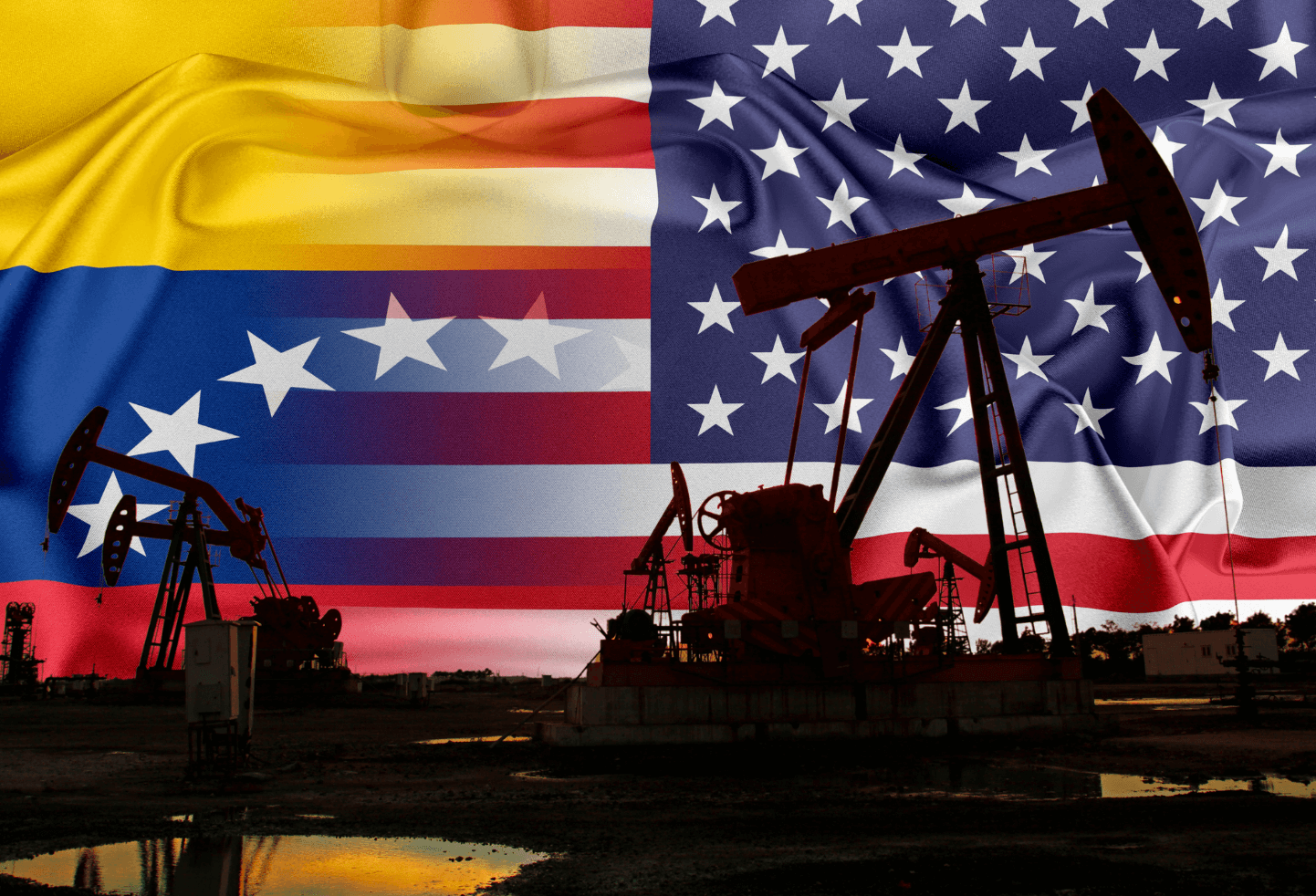
Venezuela’s acting president struck a conciliatory tone on Sunday, offering to work with the United States on a platform centered on “shared development,” marking the first such outreach since U.S. forces captured the country’s leader, Nicolas Maduro.
In a statement shared on social media, Acting President Delcy Rodriguez said her administration was seeking to reset relations with Washington on the basis of mutual respect. Her comments followed earlier criticism of Saturday’s U.S. raid, which she had described as an unlawful attempt to seize Venezuela’s national resources.
“We invite the U.S. government to collaborate with us on an agenda of cooperation focused on shared development, within the framework of international law, to strengthen lasting coexistence between our peoples,” Rodriguez said. She added that U.S. President Donald Trump, the region, and their citizens “deserve peace and dialogue, not war.”
Rodriguez, who also serves as Venezuela’s oil minister, has long been viewed as the most pragmatic figure within Maduro’s inner circle.
Trump warns of further action
Trump said on Sunday that he could authorize another military strike if Venezuela fails to cooperate with U.S. efforts to open up its oil sector and curb drug trafficking. His remarks came a day before Maduro’s scheduled court appearance in New York, following his detention during a U.S. military operation in Caracas that sparked global concern and deepened political uncertainty in Venezuela.
Officials in the Trump administration have framed the operation as a law-enforcement action aimed at holding Maduro accountable for criminal charges first filed in 2020, which accuse him of narco-terrorism conspiracy.
Trump has also cited broader motivations for the raid, including increased Venezuelan migration to the United States and the nationalization of U.S. oil assets by Venezuela decades ago.
“We’re taking back what they stole. We’re in charge,” Trump said aboard Air Force One as he returned to Washington. He added that U.S. oil companies would return to Venezuela and invest billions of dollars to rebuild the country’s petroleum industry.
Charges and legal outlook
Maduro, 63, faces charges alleging that he supported major drug trafficking organizations, including Mexico’s Sinaloa Cartel and Venezuela’s Tren de Aragua gang. Prosecutors say he directed cocaine trafficking routes, used military forces to protect shipments, sheltered violent criminal groups, and exploited presidential facilities to move drugs.
The case was expanded over the weekend to include Maduro’s wife, Cilia Flores, who was also detained and is accused of ordering kidnappings and murders.
Maduro has denied all allegations. Legal proceedings are expected to take months before the case goes to trial.