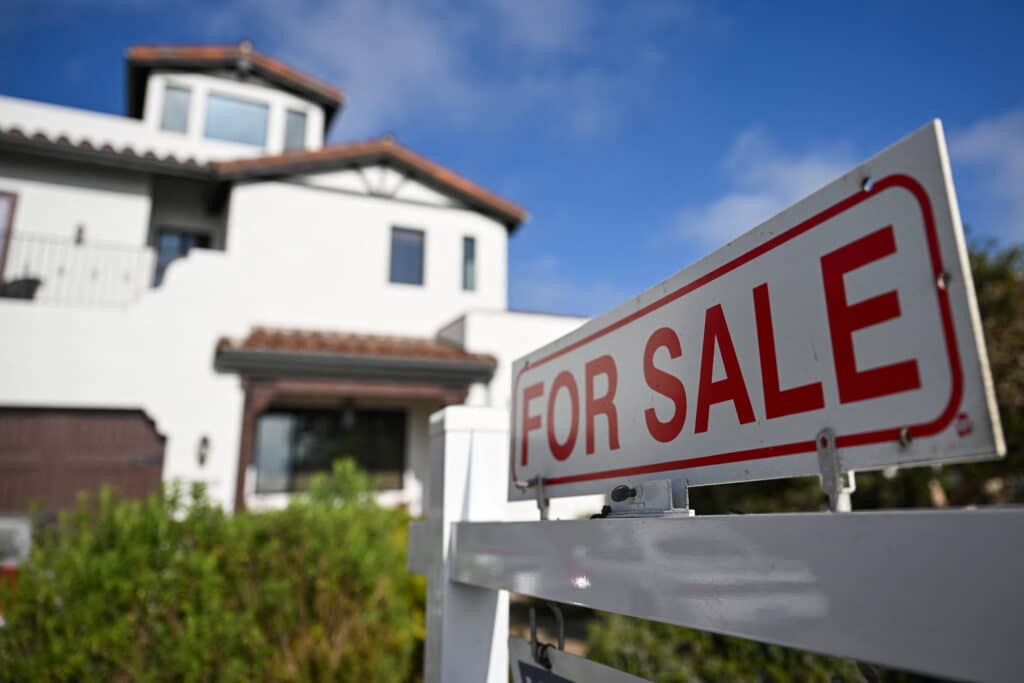
US Existing Home Sales Fall Below Expectations, Signaling Housing Market Slowdown
The U.S. housing market showed fresh signs of weakness after the latest data revealed a decline in existing home sales. According to the most recent report, existing home sales totaled 3.91 million units last month on an annualized basis.
This reading missed market expectations of 4.16 million units. The result came in roughly 6% below forecasts, pointing to a slower housing market than analysts had anticipated.
Monthly Sales Also Decline Sharply
In addition to missing estimates, existing home sales also dropped compared with the previous month. The prior reading stood at 4.27 million units, meaning the latest figure represents an 8.4% month-over-month decline.
This back-to-back slowdown highlights cooling conditions in the U.S. housing market, which is often viewed as a key indicator of overall economic momentum.
Why Existing Home Sales Matter for the US Economy
Existing home sales measure the annualized number of previously owned residential properties sold during the prior month. Because housing activity influences construction, consumer spending, and lending, it plays an important role in assessing the strength of the broader U.S. economy.
Stronger-than-expected home sales typically support the U.S. dollar, as they reflect solid economic conditions. Conversely, weaker data can weigh on the currency. Given the latest miss in home sales, the figures could contribute to downward pressure on the dollar in the near term.
Broader Economic Outlook Remains in Focus
While the housing market is showing signs of cooling, it represents only one segment of the U.S. economy. Other sectors may continue to demonstrate resilience even as real estate activity slows.
Investors and policymakers will closely monitor upcoming economic data to determine whether the weakness in existing home sales signals a broader slowdown or remains limited to the housing sector. These developments could influence future monetary policy decisions and Federal Reserve rate expectations.