Dollar Strengthens as Geopolitical Tensions Rise
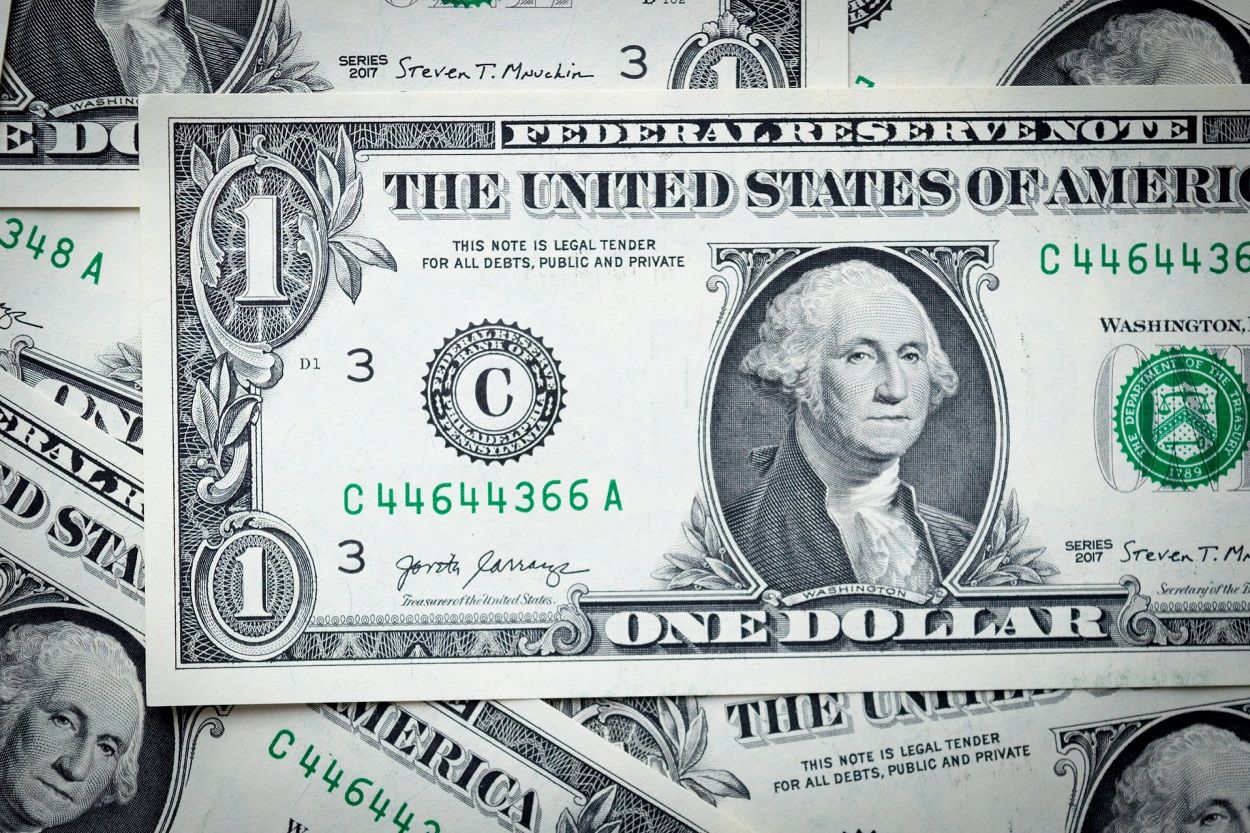
The U.S. dollar strengthened against major currencies on Thursday, reversing losses from the previous two sessions. The move came after U.S. President Donald Trump addressed the situation in Iran, dampening expectations for a quick resolution to the Middle East conflict and weakening overall investor sentiment.
Trump Signals Further Military Action on Iran
In a highly anticipated speech, Trump indicated that more aggressive strikes on Iran could take place within the next two to three weeks. However, he did not provide a clear timeline for ending the conflict, increasing uncertainty across global markets.
Investors Shift to Safe-Haven Assets
Following the announcement, investors quickly moved away from riskier assets and turned to the U.S. dollar as a safe haven. This shift pushed major currencies such as the yen, euro, and British pound lower, along with most emerging market currencies.
The dollar index, which tracks the greenback against a basket of major currencies, rose nearly 0.5% and reclaimed the key 100 level, signaling renewed demand for safety.
Market Reaction: Stocks Fall, Oil Surges
Global markets reacted sharply to the developments. Equity markets declined, while oil prices surged significantly. Brent crude futures jumped more than 6%, approaching $110 per barrel, as concerns grew over prolonged disruptions and rising inflation risks.
These developments also intensified fears of stagflation, a scenario where economic growth slows while inflation remains elevated.
Analysts Warn of Further Escalation
According to Carol Kong, currency strategist at Commonwealth Bank of Australia, markets are beginning to realize that the conflict could escalate further before any de-escalation occurs. She noted that the dollar may continue to strengthen against major currencies as expectations for global economic slowdown increase.
Major Currencies Under Pressure
The euro fell to $1.1537, while the British pound dropped to $1.3233, both declining around 0.5% against the dollar. Meanwhile, risk-sensitive currencies such as the Australian dollar and New Zealand dollar slipped roughly 0.7%, hovering near two-month lows at $0.6878 and $0.5709, respectively.
The Japanese yen also weakened by 0.4% to 159.375, though it remained below the critical 160 level, which is often seen as a threshold for potential intervention by Japanese authorities.
Rising Yields and Inflation Concerns
U.S. Treasury yields moved higher during Asian trading hours, driven by concerns that rising oil prices could fuel inflation and limit the Federal Reserve’s ability to ease monetary policy in the near term.
Focus Turns to Key Economic Data
Attention now shifts to the upcoming U.S. non-farm payrolls report. Economists expect an increase of around 60,000 jobs for March, according to Reuters data.
Analysts warn that a weaker-than-expected report could further unsettle markets and amplify stagflation concerns, especially as the Federal Reserve faces increasing pressure from both inflation and slowing growth.
Volatility Expected Ahead
Market participants are also bracing for increased volatility heading into the Easter long weekend. With geopolitical tensions rising and economic uncertainty building, trading conditions are expected to remain highly unstable in the near term.