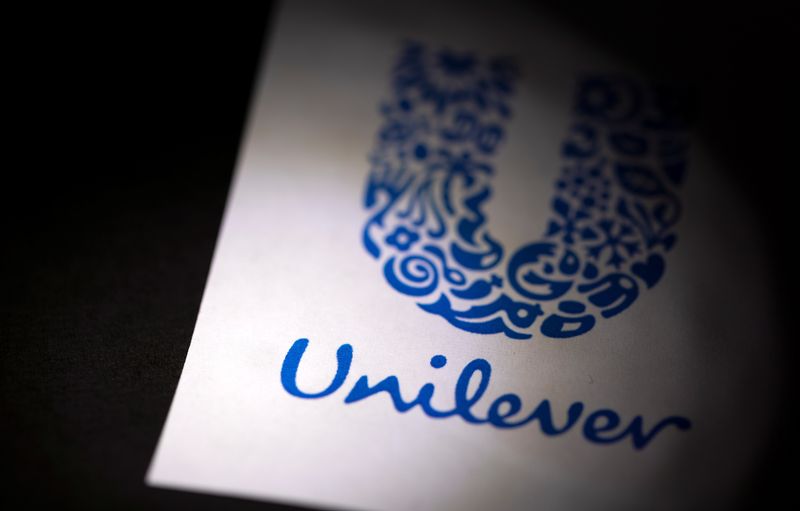
Unilever shares declined by 3.5% on Wednesday as investors expressed concerns that the company could lose focus due to a potential spin-off of its food division. Market participants are questioning the timing and benefits of such a move, especially following the recent separation of its ice cream business.
According to a report by Bloomberg, Unilever is in the early stages of evaluating a possible split of its food operations. This development comes only months after the company completed the spin-off of its ice cream unit, now listed as The Magnum Ice Cream Company, nearly two years after the initial announcement.
Analysts suggest that CEO Fernando Fernandez may need more time to stabilize the business before pursuing another major restructuring. Ongoing geopolitical challenges and pressure on consumers are also seen as factors that could complicate such a decision.
Fernandez took over leadership just over a year ago following the departure of former CEO Hein Schumacher. At the time, sources indicated that the board expected him to streamline Unilever’s broad portfolio and improve operational efficiency.
Shares of other consumer goods companies, including Reckitt and Nestlé, also moved lower on the day, reflecting broader sector concerns.
Unilever has not issued an official comment on the reported plans.
The company’s food division, which includes well-known brands such as Hellmann’s, Knorr, and Marmite, generated an operating profit of 2.9 billion euros ($3.34 billion) last year. Analysts estimate the unit could be valued at up to 30 billion euros, based on approximately 10 times EBITDA.
However, experts caution that separating the food business could be complex. Potential challenges include significant tax implications and reduced economies of scale, particularly in emerging markets. There are also concerns that Unilever may pursue acquisitions to offset any loss in revenue or profit, potentially reviving debates around expansion into new categories such as over-the-counter healthcare.
Despite these risks, investors have long encouraged Unilever to divest its slower-growing food segment. The division recorded underlying sales growth of just 2.5% last year, which has weighed on overall company performance.
In contrast, Unilever’s beauty and wellbeing division, which includes products like Dove and Vaseline, reported stronger growth of 4.3%. While the food segment delivers higher margins, it falls short of the company’s target of achieving annual underlying sales growth between 4% and 6%.
The push for restructuring intensified after activist investor Nelson Peltz disclosed a stake in Unilever in 2022. Since then, the company has undergone significant changes, including leadership transitions and the sale of several smaller brands such as The Vegetarian Butcher, alongside the ice cream business spin-off.
Analysts also point to broader industry trends, noting that demand for packaged food products has weakened in recent years. Meanwhile, personal care and household goods companies have performed better, as they can more effectively justify premium pricing through product innovation and perceived quality advantages.