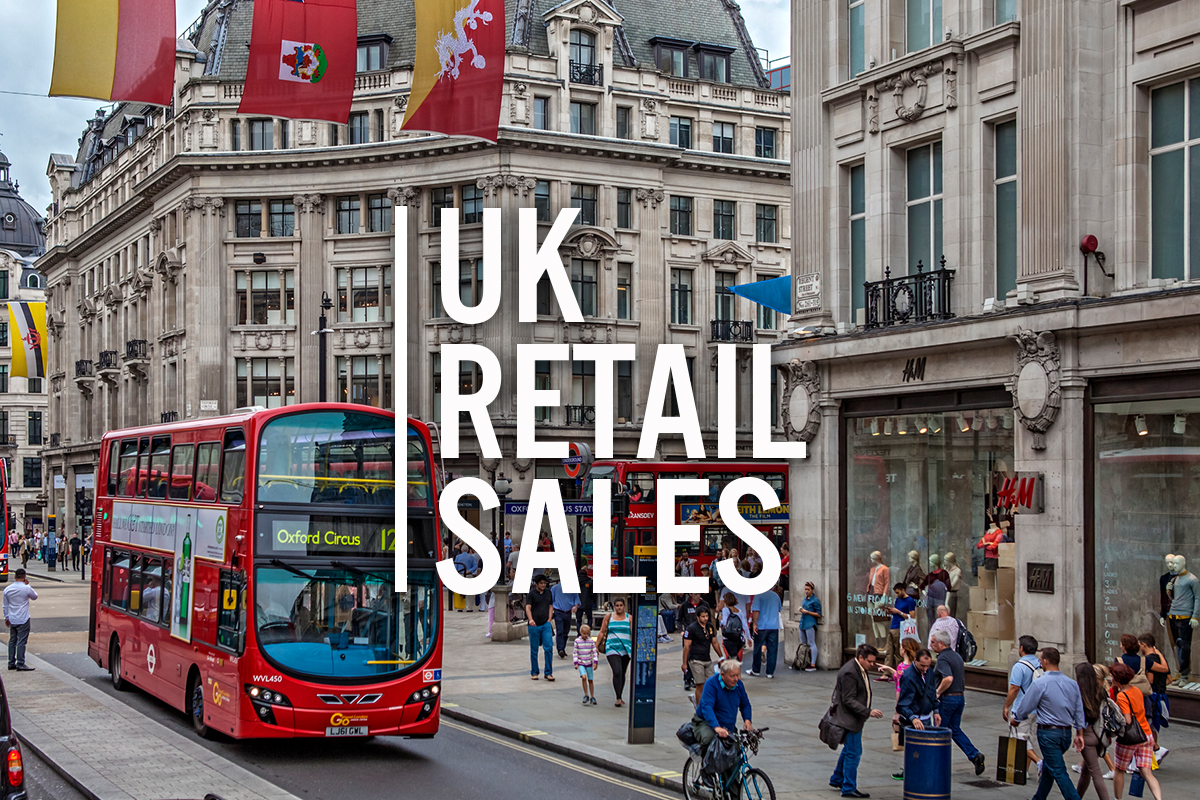
UK retail sales unexpectedly declined in November, extending the weakness seen in the previous month as consumers remained cautious ahead of the key holiday shopping period.
Retail sales fell by 0.1% on a monthly basis in November, according to data released by the Office for National Statistics on Friday. The decline followed a revised 0.9% drop in October, which was previously estimated at a steeper 1.1% fall.
Economists had expected retail sales, which primarily measure goods spending and are not adjusted for inflation, to rise by 0.3% during the month, making the latest figures a surprise.
On an annual basis, retail sales increased by 0.6% in November, unchanged from the year-on-year growth recorded in October.
The latest monthly decline coincided with Chancellor Rachel Reeves’ Autumn Budget, which raised concerns over potential tax increases aimed at closing a fiscal gap. While the budget is expected to lift Britain’s tax burden by around £26 billion per year, this increase is smaller than the £40 billion announced in 2024, and most measures are not due to take effect until later years.
Separate data released earlier on Friday showed a modest improvement in consumer sentiment. British consumer confidence rose in December to its joint-highest level of the year, according to a monthly survey.
The GfK consumer confidence index increased to -17 in December from -19 in November, matching levels last seen in October and August. The index had last recorded higher readings in August 2024, shortly after the Labour government took office.
Neil Bellamy, consumer insights director at GfK, said consumers continue to push forward cautiously, likening them to hikers navigating difficult terrain while hoping for better conditions ahead.
Sentiment also received a boost from the Bank of England’s decision on Thursday to cut its benchmark interest rate to 3.75% from 4.0%, offering some relief to households facing higher borrowing costs.