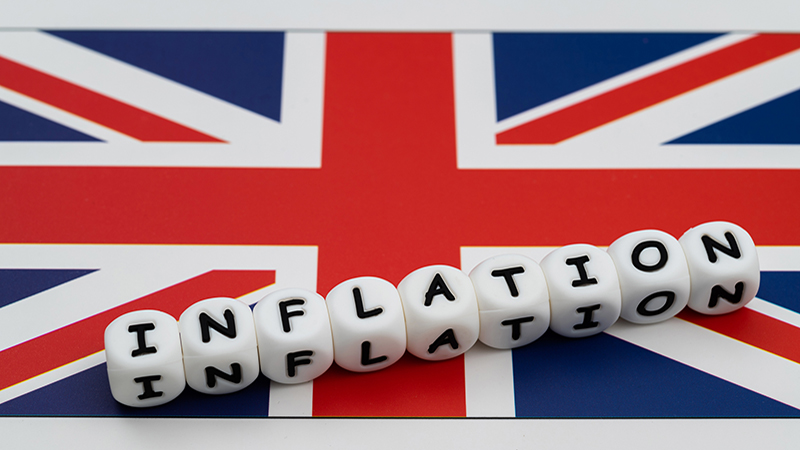
UK inflation steady at 3.8%, highest among major economies
UK inflation stayed at 3.8% in August, the highest rate among advanced economies, according to official data. The figures highlight why investors believe the Bank of England (BoE) is unlikely to cut interest rates again this year.
High inflation poses challenges both for the government and the BoE. Finance minister Rachel Reeves recently urged ministers to support efforts to curb price growth while also driving economic recovery.
Services and core inflation trends
The Office for National Statistics (ONS) reported that inflation in consumer services, a key measure of domestic pressures watched by the BoE, slowed to 4.7% in August from 5.0% in July.
Core inflation, which excludes food, tobacco, and energy, eased slightly to 3.6% from 3.8%. Both figures matched expectations from economists polled by Reuters.
Markets reacted calmly, with sterling and UK interest rate futures showing little change following the release.
Bank of England rate outlook
The BoE is expected to hold its benchmark interest rate at 4% this Thursday, after a 25 basis point cut in August. Last month’s 5-4 split vote in the Monetary Policy Committee signaled caution, with many policymakers wary of persistent inflation.
ONS data showed hotel, restaurant, and petrol costs were the largest contributors to August inflation. That was partly offset by slower transport price growth, particularly in airfares, which remain volatile.
Food and non-alcoholic drink prices rose 5.1% year-on-year, up slightly from July’s 4.9%. This remains a concern, as the BoE considers food costs central to public inflation expectations.
UK inflation versus global peers
Inflation in Britain remains higher than in the United States, where it stood at 2.9% in August, and above the euro zone’s 2.1%, just over the ECB’s 2% target.
The BoE forecasts UK inflation will rise to 4% in September and stay above its 2% target until spring 2027.
Although the labour market has loosened, wage growth is still a concern. Basic pay growth slowed but remained at 4.8% in the latest data, too strong for the BoE to feel fully reassured.
Economic outlook and risks
Britain’s economy grew just 0.2% in the three months to July, painting a weak growth picture. Economists believe easing labour market pressures could eventually bring UK inflation down closer to U.S. and euro zone levels.
Capital Economics predicts the BoE could lower rates from 4.0% now to 3.0% by the end of next year. However, chief UK economist Paul Dales warned that inflation risks remain too high for cuts in the near term.