
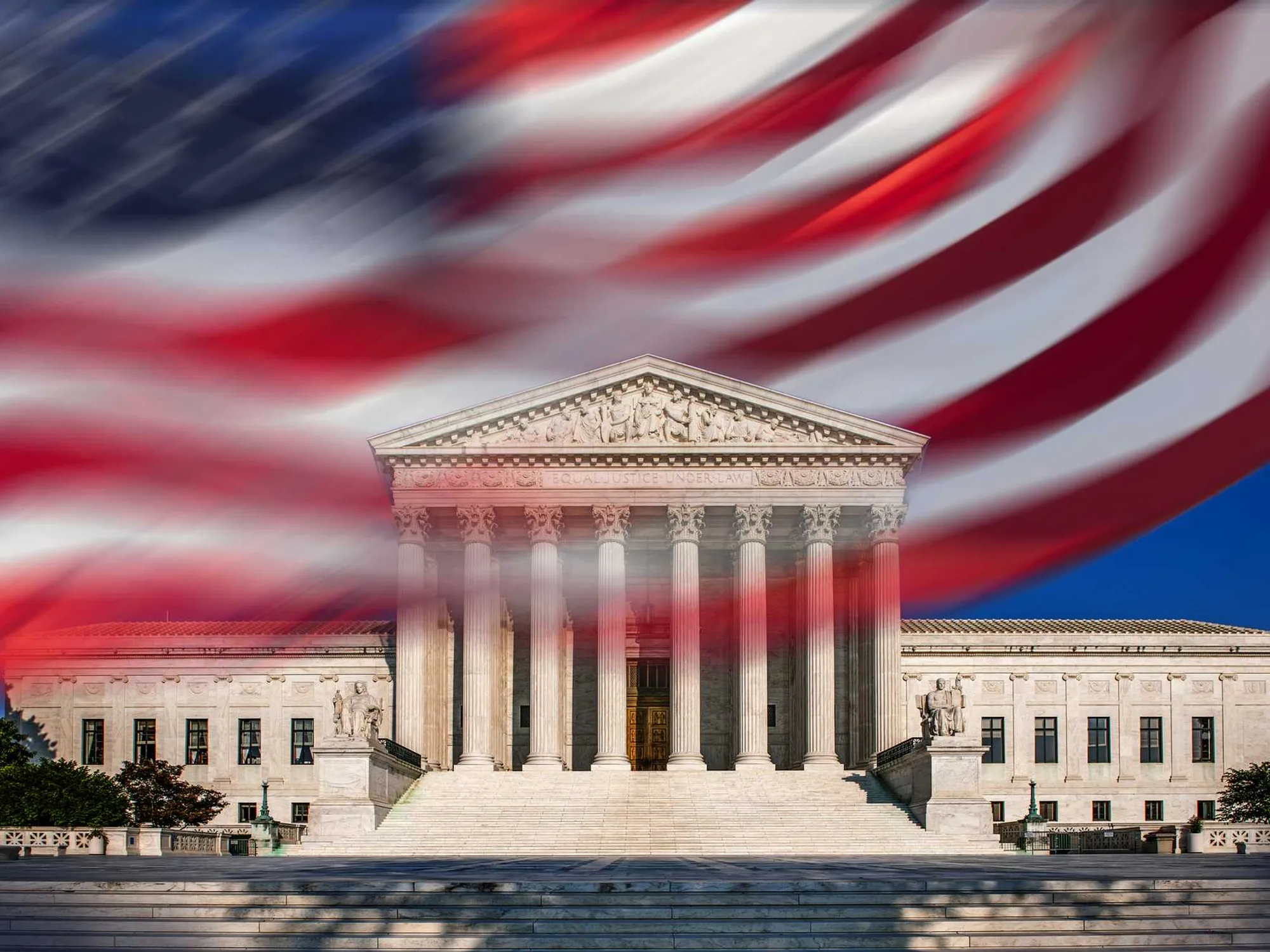
U.S. Supreme Court Blocks Trump’s Emergency Tariffs
The U.S. Supreme Court has ruled against President Donald Trump’s use of emergency powers to impose broad import tariffs, dealing a significant setback to a central pillar of his economic agenda.
Trump relied on the 1977 International Emergency Economic Powers Act (IEEPA) to justify tariffs on multiple countries. The law grants the president wide authority over international economic transactions during a declared national emergency.
The administration cited drug inflows into the United States and a “large and persistent” trade deficit as reasons for invoking emergency powers.
Court Says IEEPA Does Not Authorize Tariffs
In a 6–3 decision, the Supreme Court concluded that IEEPA does not provide the legal basis for imposing sweeping tariffs.
Chief Justice John Roberts, writing for the majority, emphasized that the U.S. Constitution clearly grants Congress — not the executive branch — the authority to levy taxes and set tariff policy.
Roberts noted that the Trump administration acknowledged the president does not possess inherent authority to impose tariffs during peacetime. Instead, officials relied on specific wording within IEEPA, particularly the terms “regulate” and “importation,” to justify the policy.
The court reiterated its longstanding reluctance to interpret ambiguous statutory language as granting extraordinary powers to the executive branch. Roberts referenced a 2023 ruling that struck down the Biden administration’s use of legal authority to cancel large-scale student loan debt.
Market participants had anticipated the outcome, as justices expressed skepticism during earlier hearings.
What Comes Next for U.S. Trade Policy?
The ruling raises questions about how President Trump may proceed with tariffs moving forward. Throughout his second term, tariffs have remained a key negotiating tool in international trade discussions.
According to reports, Trump described the decision as a “disgrace” and indicated that contingency plans are already in place. U.S. Trade Representative Jamieson Greer previously suggested that alternative tariffs could be introduced quickly if the court rejected the existing measures.
Analysts say the decision removes one legal avenue but does not eliminate the administration’s ability to pursue trade restrictions through other mechanisms.
Market Reaction and Economic Impact
U.S. stock markets rallied following the Supreme Court’s ruling. Companies viewed as highly exposed to tariffs saw gains, including retailers and apparel brands that rely heavily on overseas supply chains.
Some analysts believe the decision could reduce trade uncertainty and ease inflation pressures, potentially supporting lower U.S. interest rates. However, optimism may prove temporary if new tariffs are introduced under alternative authorities.
Refund Uncertainty and Fiscal Implications
A major unresolved issue involves potential refunds for previously collected tariffs. Estimates suggest more than $175 billion in tariff revenue could be subject to repayment.
Such refunds would represent a significant fiscal impact, exceeding the combined annual budgets of several federal departments.
Trump has consistently defended tariffs as a major source of government revenue. The Congressional Budget Office previously estimated that tariff collections could total roughly $300 billion per year over the next decade.
The Supreme Court’s ruling not only reshapes the legal boundaries of U.S. trade policy but also introduces new uncertainty around fiscal planning, inflation, and market stability.