
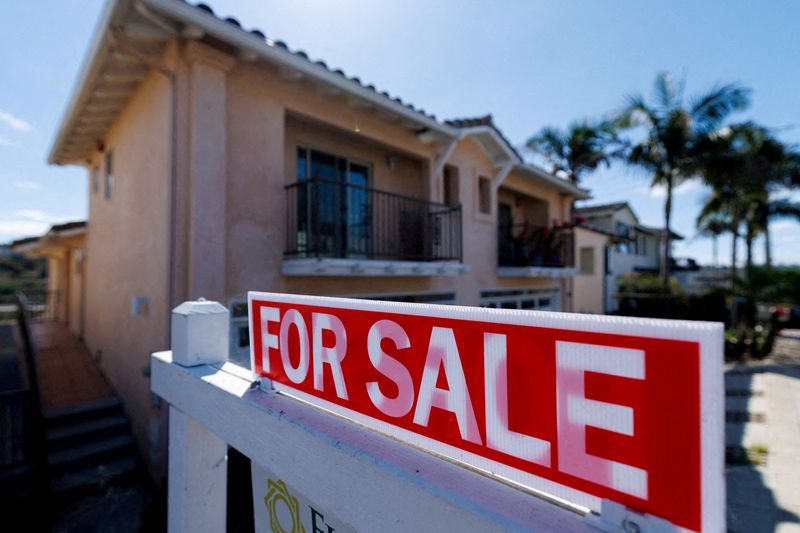
Contracts to buy existing U.S. homes rose unexpectedly in February, supported by a temporary decline in mortgage rates. However, analysts warn that further growth in the housing market could be limited by the ongoing Middle East conflict, which is pushing oil prices higher and increasing inflation concerns.
According to the National Association of Realtors, the pending home sales index increased by 1.8% to 72.1. This result exceeded expectations, as economists had forecast a 0.5% decline. Pending home sales, which typically convert into completed transactions within one to two months, saw gains across the West, South, and Midwest, while the Northeast recorded a decline. On an annual basis, contracts were down 0.8%.
The rebound in pending home sales could have signaled a strong spring housing season. However, economists caution that geopolitical tensions, particularly the U.S.-Israeli conflict with Iran, may disrupt this momentum. Mortgage rates had initially declined earlier in the year after President Donald Trump directed Fannie Mae and Freddie Mac to increase purchases of mortgage-backed securities.
The average rate on a 30-year fixed mortgage fell to 5.98% before the escalation of the Middle East conflict. However, rising oil prices and higher U.S. Treasury yields pushed rates back up to 6.11% last week, according to Freddie Mac. Mortgage rates closely follow movements in the benchmark 10-year Treasury yield.
Market experts warn that the housing sector could face renewed pressure. Broader economic uncertainty, including geopolitical risks, inflation, and shifting trade policies, may keep borrowing costs and construction expenses elevated. These factors could slow the progress seen earlier in the year and further tighten housing market conditions.
The U.S. housing market continues to face structural challenges, including high borrowing costs and limited housing supply. A shortage of available homes, especially for first-time buyers, is keeping property prices elevated despite weaker demand.
There are some signs of gradual improvement in housing affordability. A Reuters survey forecasts home prices will rise by 1.8% this year and by 2.5% in 2027. Recent data also shows modest wage growth, which could help support affordability over time.
However, inflation is expected to remain above the Federal Reserve’s 2% target this year, largely due to the impact of the Iran conflict. As a result, the central bank is widely expected to keep interest rates unchanged while monitoring economic conditions closely.
Housing affordability has also become a key political issue ahead of upcoming elections. The Trump administration has introduced measures aimed at expanding access to mortgage credit and reducing regulatory barriers for new housing development.
Despite these efforts, homebuilders have been slow to increase construction. Higher material costs linked to import tariffs, labor shortages caused by stricter immigration policies, and a lack of available land continue to limit new housing supply. At the same time, weaker demand has led to a buildup of unsold homes, further discouraging new construction projects.
Government data shows that approximately 943,000 housing units were started in 2025, down from over 1 million in 2024. Builder sentiment remains cautious, with concerns centered on affordability challenges, high construction costs, and limited access to labor and buildable land.