U.S. Inflation Slows in July, Boosting Case for September Fed Rate Cut
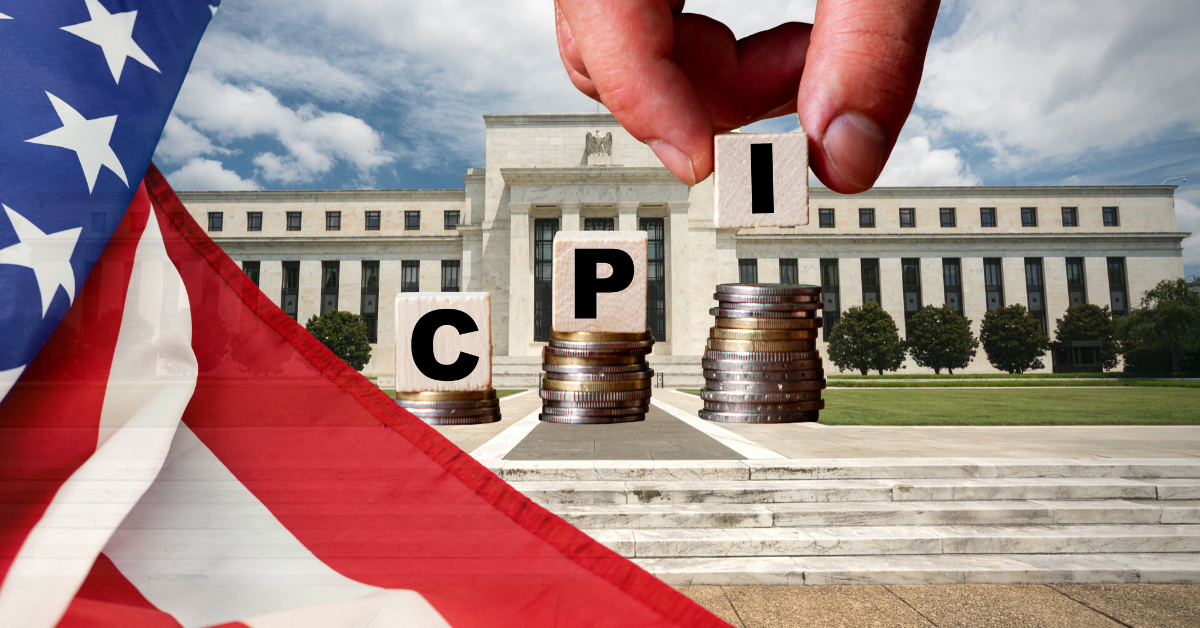
U.S. consumer price growth came in slower than expected on an annual basis in July, potentially strengthening the case for the Federal Reserve to lower interest rates at its September policy meeting.
The consumer price index (CPI), a key gauge of inflation from the Bureau of Labor Statistics, rose 2.7% in the 12 months to July. This matched June’s pace and came in below economists’ forecast of 2.8%.
On a monthly basis, CPI increased 0.2%, in line with estimates and cooler than the 0.3% recorded in June.
Core Inflation Sees Slight Uptick
Excluding volatile food and energy prices, core CPI rose 3.1% year-on-year, up from 2.9% in June and slightly above the 3.0% forecast. Month-on-month, core CPI increased 0.3%, matching expectations and up from 0.2% the prior month.
Economists warn that core inflation could face more upward pressure as U.S. tariffs make certain imported goods more expensive, prompting companies to pass costs on to consumers.
However, analysts at Vital Knowledge noted that while tariffs are pushing some categories higher, “they aren’t triggering a broad spike in prices — at least not yet.” They added that tariff effects are only now filtering through as companies exhaust pre-tariff inventories.
Rate Cut Expectations Rise
Before the CPI release, analysts suggested that softer inflation data could pave the way for a 25 basis point rate cut in September. Following the report, CME’s FedWatch Tool showed market bets on a September cut rising to just over 90%, up from roughly 86% the previous day.
This shift follows a weaker-than-expected July jobs report, which included sharp downward revisions to employment figures for June and May. Several Fed policymakers have since signaled a greater willingness to cut rates, moving away from their recent “wait-and-see” approach.
With the labor market showing early signs of cooling and inflation subdued, investors believe the Fed has more room to lower borrowing costs — a move that could stimulate business spending and hiring. U.S. stocks rose following the CPI release.
Stephen Brown, Deputy Chief North American Economist at Capital Economics, said the data “probably won’t be enough to prevent the Fed from easing policy sooner than expected,” though he warned that markets may be overestimating the extent of future cuts over the next 18 months.
Political Pressure on the Fed
A September rate cut would likely please President Donald Trump, who has repeatedly criticized the Fed — and Chair Jerome Powell — for being too cautious in lowering rates. Powell has maintained that a gradual approach is warranted, drawing Trump’s continued criticism.
The CPI report is also one of the first major releases from the BLS since Trump fired its commissioner, Erika McEntarfer, after July’s jobs report. Trump claimed, without evidence, that the data had been manipulated to harm him politically.
The firing sparked concerns about the reliability of official government data and fueled speculation that demand for private economic reports could grow.
On Monday, Trump nominated E.J. Antoni, chief economist at the Heritage Foundation, to replace McEntarfer. The appointment still requires Senate confirmation.