U.S. Economy Adds 130,000 Jobs in January as Labor Market Stabilizes
The U.S. economy created significantly more jobs than expected in January, offering fresh signs that the labor market is stabilizing. The stronger-than-forecast performance could influence future Federal Reserve interest rate decisions later this year.
January Jobs Report Beats Expectations
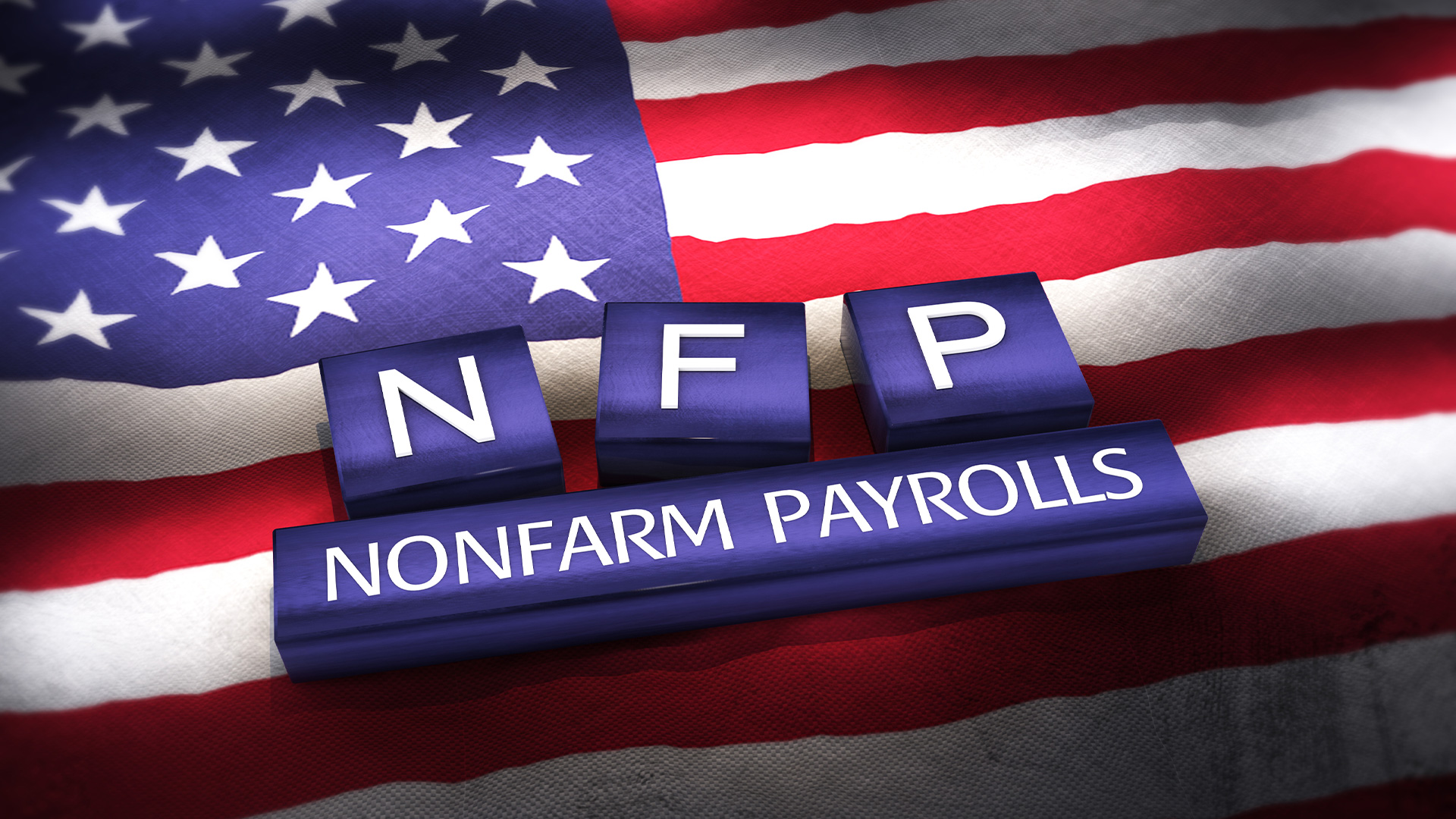
Nonfarm payrolls rose by 130,000 in January, far above economists’ projections of 66,000. The figure also marked a sharp increase from December’s revised total of 48,000 jobs. This represents the strongest monthly gain since December 2024.
Job growth in healthcare, social assistance, and construction helped offset declines in federal government employment. Analysts at Morgan Stanley noted that government payrolls have been pressured by deferred employee resignations.
Meanwhile, the unemployment rate declined to 4.3%, slightly below expectations of 4.4%.
Federal Reserve Rate Outlook in Focus
The report, delayed due to a temporary federal government shutdown, followed the Federal Reserve’s January meeting, where policymakers left interest rates unchanged. Officials pointed to signs that the labor market was stabilizing after a weak 2025.
Last year, the U.S. added an average of just 49,000 jobs per month — the slowest pace in over two decades outside of recession periods.
Major Payroll Revisions Raise Concerns
The Labor Department’s Bureau of Labor Statistics (BLS) also released an annual benchmark revision. The update showed the U.S. economy created 898,000 fewer jobs in the 12 months through March 2025 than previously estimated. An earlier projection had placed the figure at 911,000, one of the largest preliminary estimates on record.
Additionally, the BLS revised its “birth-death” model, which estimates job gains and losses from new businesses opening or companies closing. The model has faced criticism for potentially overstating payroll growth. Officials said it will now incorporate updated sample data each month.
Total nonfarm employment for 2025 was revised down sharply to 181,000 from 584,000. The downgrade highlights ongoing hiring challenges, as businesses slowed recruitment amid economic uncertainty linked to President Donald Trump’s sweeping tariffs.
AI, Immigration, and Labor Market Uncertainty
Despite January’s strong data, uncertainty remains. White House economic adviser Kevin Hassett recently warned that advances in artificial intelligence could weigh on job growth, even as productivity improves.
However, Stephen Brown, Deputy Chief North America Economist at Capital Economics, said that a 34,000 increase in professional and business services jobs, along with upward revisions in recent months, may ease fears about AI’s impact on hiring.
At the same time, stricter immigration policies under the Trump administration could reduce the available labor pool. Analysts suggest that a smaller workforce may keep the unemployment rate stable, even if hiring slows.
Market Reaction and Fed Rate Cut Expectations
Following the jobs report, traders fully priced in a 25-basis-point Federal Reserve rate cut in July, slightly later than earlier expectations for June. The Fed’s current target range stands at 3.5% to 3.75%.
Financial markets reacted positively. U.S. stocks opened higher, while the 2-year and 10-year Treasury yields rose. The U.S. dollar index also edged higher, reflecting renewed confidence in the economic outlook.
According to Lukman Otunuga, Senior Market Analyst at FXTM, the stronger labor data boosted dollar bulls and supported equities. However, attention now turns to the upcoming consumer inflation report, as employment and inflation remain the Federal Reserve’s two key policy pillars.