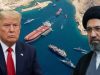

U.S. Dollar Slides as Ceasefire Hopes Weigh on Safe-Haven Demand
The U.S. dollar is heading for its biggest weekly decline since January, as a fragile ceasefire between the United States and Iran has raised expectations for a potential recovery in oil flows through the Strait of Hormuz.
As of 09:32 ET (13:32 GMT), the U.S. Dollar Index—which measures the greenback against a basket of major currencies—fell 0.2% to 98.59. Over the past week, the index has dropped approximately 1.6%, reversing gains seen throughout much of March when investors sought safety amid escalating Middle East tensions.
Major Currencies Gain Ground Against the Dollar
The weakening dollar has supported other major currencies. The euro rose 0.2% to $1.1728, while the British pound also gained 0.2% to $1.3466. Meanwhile, risk-sensitive currencies such as the Australian and New Zealand dollars are also on track for weekly gains against the greenback.
Inflation Spike Fails to Boost Dollar
Market participants also evaluated fresh data from the U.S. Labor Department, which showed a sharp increase in consumer prices during March. However, the inflation surge was largely anticipated by investors and did not provide significant support for the dollar.
U.S.-Iran Talks Take Center Stage
Attention is now firmly on the upcoming negotiations between the United States and Iran. U.S. Vice President JD Vance is leading talks in Pakistan, expressing cautious optimism about a positive outcome.
Vance stated that Washington is open to diplomacy but warned that any lack of cooperation from Iran could lead to a tougher negotiating stance. The outcome of these discussions is expected to play a key role in shaping market sentiment.
Ceasefire Stability Remains in Doubt
Despite initial optimism, the ceasefire agreement appears increasingly fragile. Israeli military operations targeting Iran-aligned Hezbollah forces in Lebanon have raised concerns about whether a lasting agreement can be achieved.
Iran has signaled that it may withdraw from planned negotiations if Israeli strikes continue, further complicating diplomatic efforts. Additionally, disagreements persist between U.S. and Iranian officials over whether Lebanon is covered under the ceasefire terms.
Israeli Prime Minister Benjamin Netanyahu has indicated that there is currently no formal ceasefire in Lebanon, although discussions regarding Hezbollah disarmament may begin.
Strait of Hormuz Disruptions Continue
At the same time, shipping activity through the Strait of Hormuz remains severely restricted. Reports indicate that tanker traffic is operating at less than 10% of normal levels, highlighting ongoing risks to global oil supply.
Iran continues to exert control over the key waterway, requiring vessels to remain within its territorial waters. Given that the strait handles a significant portion of the world’s oil shipments, any prolonged disruption could have major implications for energy markets and global inflation.