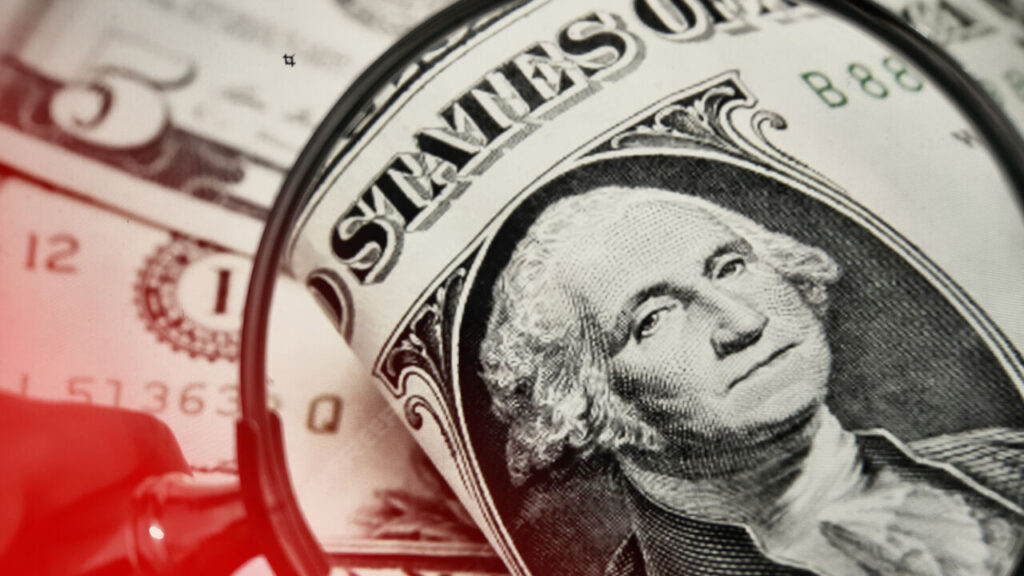
The U.S. dollar surged after American strikes on Iran, reinforcing its traditional role as a global safe-haven currency during times of crisis. As geopolitical tensions escalated in the Middle East, investors returned to the greenback, pushing it higher across major currency pairs.
The renewed demand for the dollar comes after months of uncertainty about its ability to attract safe-haven flows. That skepticism grew last year when the currency failed to rally during a tariff-driven global market selloff, raising questions about whether its crisis-era appeal had weakened.
On Monday, the U.S. dollar strengthened broadly, with the US Dollar Index climbing nearly 1%, marking its strongest daily performance in seven months. Currency strategists described the move as a classic “risk-off” reaction, where investors reduce exposure to riskier assets and shift capital into perceived safe stores of value.
Analysts noted that earlier doubts about the dollar were tied to the fact that the United States itself had been the source of uncertainty during last year’s tariff shock. When Washington announced sweeping tariffs in April 2025, global markets sold off sharply, and the dollar did not benefit from the usual flight-to-safety flows. Investors were reluctant to seek refuge in the currency of the country driving the disruption.
This time, however, the catalyst is an external geopolitical crisis. The widening conflict involving Iran has shifted the narrative, and the dollar appears to have regained its safe-haven status. According to market observers, the depth and liquidity of U.S. financial markets remain a decisive advantage.
The U.S. Treasury market, in particular, is seen as uniquely capable of absorbing large inflows during periods of global stress. When investors move funds into Treasuries, demand for the dollar rises alongside bond purchases, reinforcing its strength.
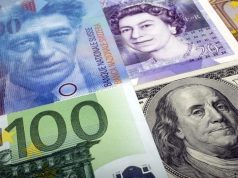
Another factor supporting the greenback is the limited number of viable alternatives. Although the euro, Japanese yen and gold have challenged the dollar’s dominance in recent months, none match the scale and liquidity of U.S. markets. As a result, during episodes of heightened volatility, investors often return to the dollar by default.
Still, some strategists caution that the debate over the dollar’s long-term safe-haven status is not fully settled. While current market action suggests confidence remains intact, future crises may test that resilience under different conditions.
On Monday, the dollar’s gains were also supported by the United States’ position as a net energy exporter. Rising oil prices tend to hurt energy-importing economies more severely, while the U.S. is comparatively insulated. This dynamic strengthens the dollar during energy-driven geopolitical shocks.
However, not all analysts believe the dollar would perform equally well in a broader economic downturn unrelated to energy or liquidity concerns. High U.S. fiscal deficits, policy volatility and global exposure to U.S. assets could increase the currency’s correlation with risk assets during major shocks.
In the near term, many strategists see oil prices as the key variable. If crude continues to climb and global risk appetite weakens, the dollar is likely to remain supported. Conversely, if oil prices retreat and tensions ease, traditional safe-haven currencies such as the Swiss franc and the Japanese yen could regain prominence.
For now, the dollar’s rally suggests that despite recent doubts, its role as the world’s primary safe-haven currency remains largely intact amid rising geopolitical uncertainty.