Trump Threatens Iran Over Strait of Hormuz as Tensions Escalate
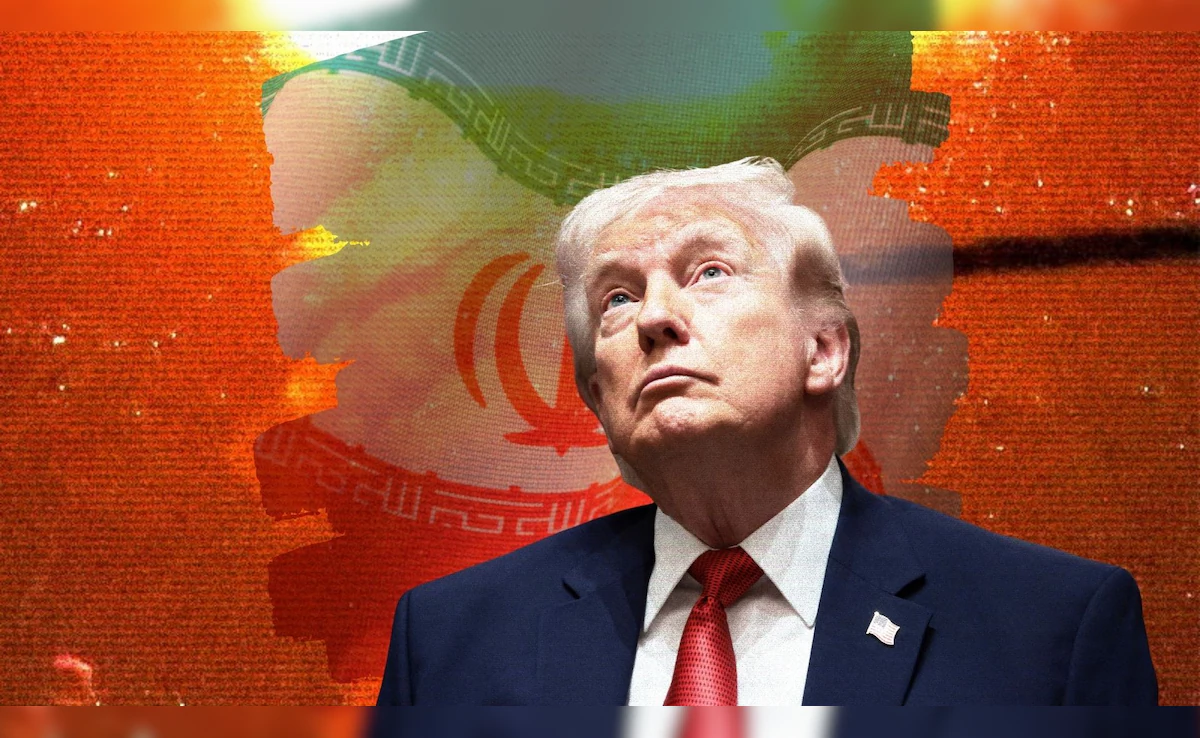
U.S. President Donald Trump warned that Iran could face severe consequences if it fails to reopen the Strait of Hormuz by his Tuesday deadline. At the same time, he praised U.S. special forces for successfully rescuing a downed airman during a high-risk operation deep inside Iranian territory.
Ongoing Conflict Between the U.S., Israel and Iran
For more than five weeks, the United States and Israel have carried out missile strikes and air raids targeting Iran. The campaign aims to dismantle what they describe as imminent threats linked to Iran’s nuclear ambitions, ballistic missile capabilities, and support for regional proxy groups.
In response, Iran has effectively shut down the Strait of Hormuz, a critical global energy route responsible for transporting nearly 20% of the world’s oil and gas supply. Tehran has also launched attacks on U.S. military bases and other strategic targets across the Gulf region.
Strikes Intensify as Civilian Casualties Reported
Explosions were reported in Tehran on Monday, while a joint U.S.-Israeli strike on a residential building south of the capital allegedly killed at least 13 people, according to Iranian state media. Independent verification of these reports remains unavailable.
Trump further escalated rhetoric in a social media post, threatening additional strikes on Iran’s energy and transport infrastructure. He warned that major targets such as power plants and bridges could be hit if the Strait remains closed.
Mixed Signals on Possible Diplomatic Deal
Despite the aggressive tone, Trump suggested that negotiations with Iran may still be ongoing. In a televised interview, he indicated that a deal could potentially be reached within days.
Reports have also emerged that U.S., Iranian, and regional mediators are discussing a potential two-phase agreement. The proposed plan includes a 45-day ceasefire followed by negotiations aimed at ending the conflict permanently. However, these claims have not yet been officially confirmed.
Iran Responds and Expands Regional Attacks
Iranian officials strongly condemned U.S. threats, with parliamentary speaker Mohammad Baqer Qalibaf accusing Washington of escalating tensions under Israeli influence.
Meanwhile, Iran has broadened its military response by targeting energy infrastructure across the Gulf. Drone and missile attacks struck petrochemical facilities in Kuwait, Bahrain, and the United Arab Emirates, causing fires and significant damage.
Additionally, Iran’s Revolutionary Guards claimed responsibility for striking a vessel linked to Israel at Dubai’s Jebel Ali port, highlighting the growing reach of the conflict.
Rising Impact Across the Region
The attacks underline Iran’s ability to carry out cross-border operations and disrupt critical infrastructure across multiple countries. In Israel, emergency teams responded to missile strikes in the northern city of Haifa, where casualties were reported following damage to residential areas.
High-Risk U.S. Rescue Operation Inside Iran
Trump also revealed details of a daring rescue mission carried out by U.S. special forces. The operation successfully retrieved a wounded weapons officer from a downed F-15 jet deep inside Iranian territory.
Under cover of darkness, commandos navigated rugged terrain and executed a complex extraction. Despite mechanical failures affecting some aircraft, additional forces were deployed to ensure the mission’s success.
To prevent sensitive technology from falling into enemy hands, U.S. forces destroyed disabled aircraft and equipment before withdrawing from the area.
Conflict Toll Continues to Rise
The war, which began with large-scale U.S. and Israeli airstrikes on February 28, has already resulted in thousands of casualties, primarily in Iran and Lebanon. Additional strikes in Lebanon over the weekend reportedly claimed more lives, further intensifying the humanitarian impact of the conflict.