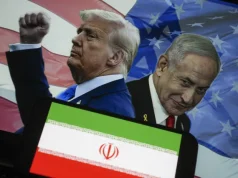
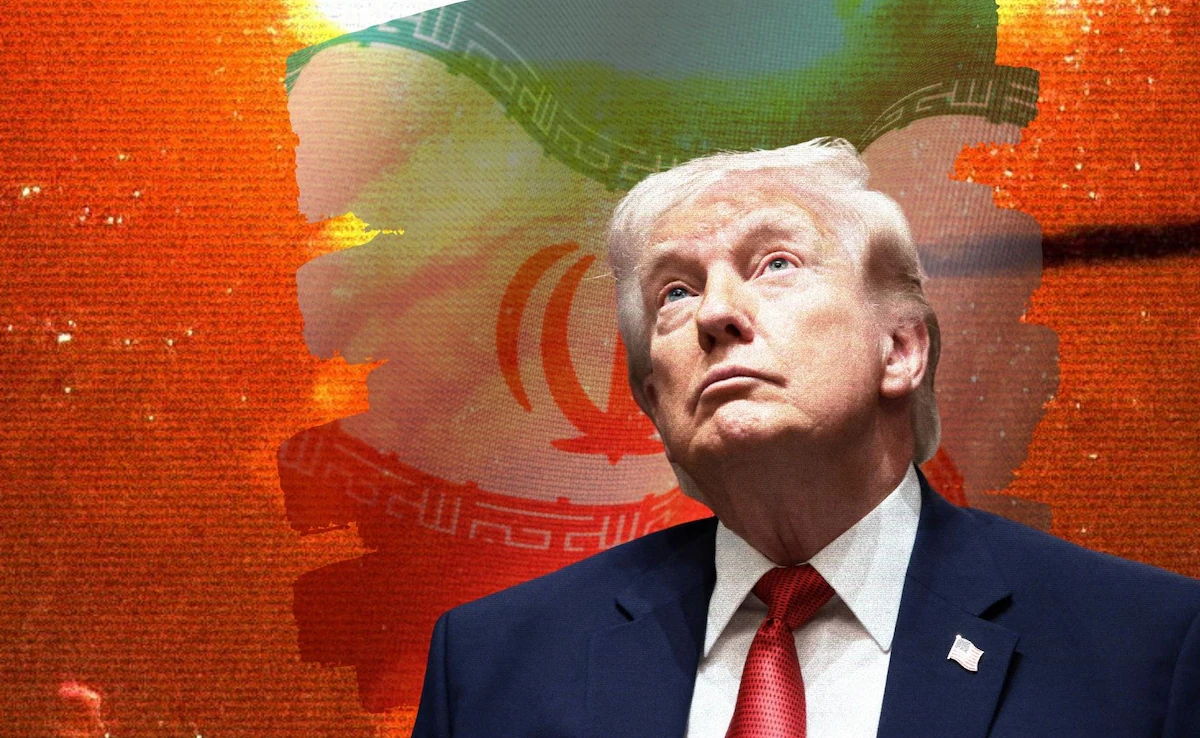
Trump Announces U.S. Exit from Iran Within Weeks
U.S. President Donald Trump stated on Tuesday that American military forces are expected to withdraw from Iran within the next two to three weeks, declaring that the primary objective of eliminating Iran’s nuclear threat has already been achieved.
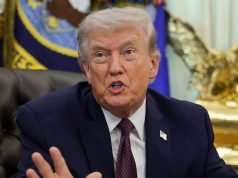
“We’ll be leaving very soon,” Trump said from the Oval Office, emphasizing that there is no longer a strategic reason for continued U.S. involvement.
No Deal Required for Withdrawal
Trump clarified that a formal agreement with Iran is not necessary for the United States to exit the conflict. He argued that the damage inflicted on Iran’s capabilities would take years to recover from, estimating a rebuilding timeline of 15 to 20 years.
Despite the planned withdrawal, Trump confirmed that military operations are still ongoing, noting that recent strikes targeted key missile production facilities.
Gas Prices Expected to Decline
The president also addressed rising gasoline prices, which have surpassed $4 per gallon in the United States. Trump expressed confidence that energy prices will ease once the conflict comes to an end, linking the current surge to geopolitical instability.
He added that the outcome of the conflict has improved security conditions, suggesting reduced long-term risks.
Strait of Hormuz Responsibility Shifts to Allies
Trump indicated that responsibility for maintaining open access to the Strait of Hormuz should fall on countries that depend heavily on the route, rather than the United States.
“That’s not for us,” he stated, pointing to European and other global partners as the primary stakeholders in ensuring the passage remains operational.
Iran Signals Conditional Reopening of Hormuz
On the Iranian side, Ebrahim Azizi, head of the National Security and Foreign Policy Commission of Iran’s parliament, suggested that the Strait of Hormuz could reopen—but only under new conditions set by Tehran.
Iran has previously floated the idea of imposing tolls on ships passing through the strait, a move that could significantly impact global trade and energy markets.
Markets React: Stocks Rally, Oil Remains Elevated
Financial markets responded positively to the prospect of de-escalation. Major U.S. indices, including the S&P 500, Nasdaq Composite, and Dow Jones Industrial Average, rallied between 2.4% and 3.9% on Tuesday.
The rebound was also supported by bargain buying after weeks of declines triggered by the onset of the Iran conflict in late February.
Meanwhile, oil prices remained elevated despite the improved outlook. U.S. crude futures rose modestly, with West Texas Intermediate (WTI) climbing to $101.77 per barrel.
Oil Outlook Hinges on Hormuz Developments
Energy markets continue to face uncertainty, particularly regarding the future of the Strait of Hormuz. Any prolonged disruption—or the introduction of transit fees by Iran—could sustain upward pressure on oil prices in the near term.