Trump Sets Deadline for Iran to Reopen Strait of Hormuz
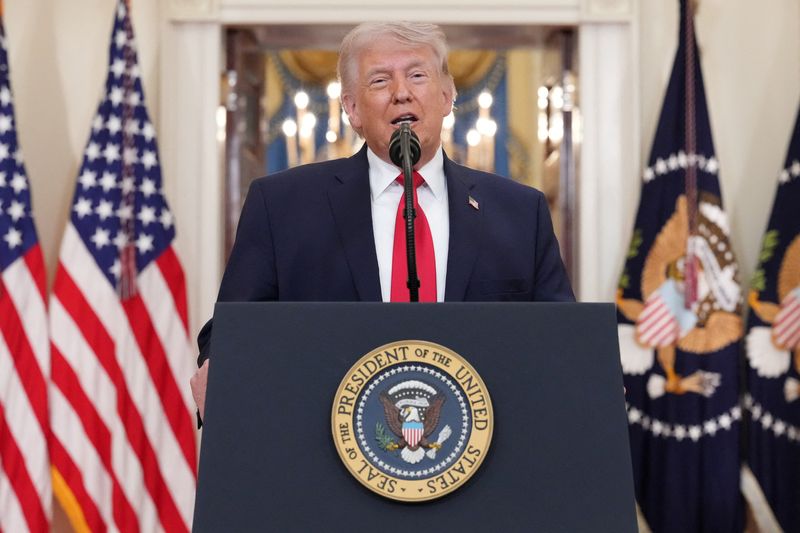
U.S. President Donald Trump announced that Iran has until Tuesday at 8:00 p.m. Eastern Time to reopen the Strait of Hormuz, warning that failure to comply could trigger further escalation. The strategic waterway remains critical for global energy flows, making the deadline a key focal point for markets and policymakers.
Mixed Signals: Diplomacy vs Military Escalation
Trump delivered a dual message, combining optimism about a potential diplomatic breakthrough with strong warnings of military action. He suggested that a deal with Iran could be reached quickly, possibly within days.
At the same time, he warned that if negotiations fail, the United States may consider aggressive measures, including targeting key infrastructure and taking control of energy assets.
Strong Warnings Over Strategic Infrastructure
In a social media post, Trump escalated rhetoric by indicating that Iranian power plants and bridges could become targets if the Strait is not reopened. He emphasized that Tehran must act quickly or face severe consequences.
These statements highlight the growing risk of escalation around critical infrastructure, particularly in the energy sector.
Markets Face Binary Outcome Scenario
The latest developments present a clear divide for global markets: either a rapid de-escalation through successful negotiations or a sharp escalation involving attacks on infrastructure and energy facilities.
This uncertainty is driving volatility across commodities, currencies, and equities.
High-Risk U.S. Rescue Operation in Iran
Trump also confirmed the successful rescue of a second U.S. aircrew member from deep inside Iranian territory. The operation involved a complex and high-risk mission in mountainous terrain, with U.S. forces extracting the officer under hostile conditions.
Despite enemy pursuit, the mission was completed without casualties among American personnel, reinforcing U.S. military capabilities in contested environments.
U.S. Destroys Aircraft During Extraction Mission
During the rescue operation, U.S. forces destroyed two MC-130J Special Operations aircraft to prevent sensitive technology from falling into enemy hands. The aircraft, each valued at over $100 million, were deemed unrecoverable following mechanical issues.
Iranian sources claimed that several U.S. aerial assets were destroyed during the mission, although details remain contested.
Intensifying Airstrikes Across Iran
A large-scale aerial campaign by U.S. and Israeli forces targeted hundreds of sites across Iran, including military bases, petrochemical facilities, and key infrastructure. The strikes resulted in civilian casualties and further intensified the conflict.
Energy-rich regions such as Khuzestan were among the primary targets, raising concerns about global oil supply disruptions.
Iran Expands Attacks on Gulf Energy Infrastructure
In response, Iran launched drone strikes targeting critical infrastructure in the Gulf region. A major attack hit Kuwait Petroleum Corporation’s headquarters, triggering fires and forcing evacuations.
Additional strikes targeted power and desalination plants, marking a significant escalation in Iran’s strategy by expanding attacks to administrative and civilian infrastructure.
Energy Infrastructure Becomes Central Target
Recent developments show a clear shift toward systematic targeting of energy infrastructure on both sides. Iranian forces have expanded their list of targets to include electricity, water, and industrial facilities, alongside oil and gas assets.
This escalation increases the risk of prolonged disruption in global energy markets and adds further uncertainty to the geopolitical outlook.