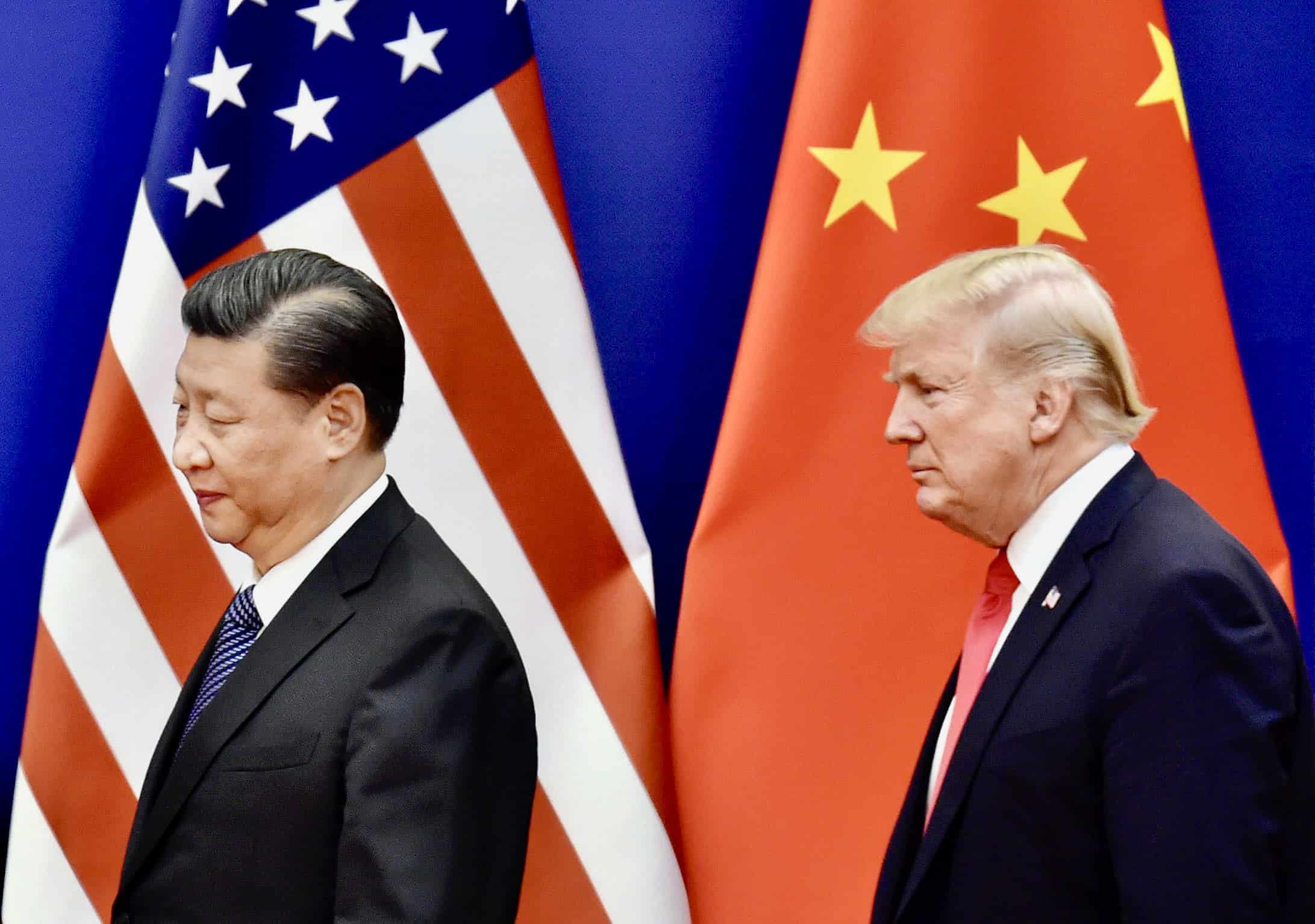
U.S. President Donald Trump praised the latest round of trade talks with China held in Switzerland on Saturday, describing them as a “total reset” conducted in a “friendly but constructive” tone.
“Very productive meeting with China today in Switzerland. Many topics discussed, and plenty of agreement reached,” Trump posted on Truth Social. He added that the U.S. wants to see greater access for American businesses in the Chinese market, calling the meeting a sign of “GREAT PROGRESS,” though he did not offer details.
The comments came after senior officials from both countries wrapped up the first day of negotiations in Geneva, aimed at easing a high-stakes trade war that has rattled the global economy. Talks are expected to continue on Sunday, according to a source close to the process.
Chinese Vice Premier He Lifeng met with U.S. Treasury Secretary Scott Bessent and Trade Representative Jamieson Greer for approximately eight hours. It was the first in-person engagement between the nations since both imposed heavy tariffs—exceeding 100%—on each other’s goods.
Neither side issued a formal statement about the outcomes, and no specific breakthroughs were reported after the meetings concluded around 8 p.m. local time at the residence of Switzerland’s U.N. ambassador.
These talks followed months of tension sparked by Trump’s tariff hike earlier this year and China’s subsequent retaliation, which have frozen nearly $600 billion in annual trade. The escalating dispute has disrupted global supply chains, stirred financial market volatility, and heightened fears of a global slowdown.
Secretive Setting, Global Stakes
The Geneva talks were kept under wraps, with the meeting location never officially disclosed. However, observers spotted both delegations returning to the ambassador’s lakeside villa after a midday break.
U.S. delegates, including Bessent and Greer, appeared upbeat as they departed their hotel in American flag pins and red ties but declined to speak to the press. At the same time, vehicles with tinted windows were seen leaving the hotel housing the Chinese delegation.
The U.S. seeks to reduce its $295 billion trade deficit with China and encourage Beijing to shift from a state-driven, export-heavy economic model to one that emphasizes domestic consumption—a change requiring difficult structural reforms.
China, in contrast, has pushed for the removal of U.S. tariffs and greater clarity on what Washington wants in terms of trade concessions. Beijing also insists it be treated as an equal on the world stage.
In a Saturday commentary, China’s state-run Xinhua News Agency called the U.S. tariff campaign a “reckless abuse” that has disrupted global economic stability. Still, the outlet welcomed the talks as a “positive and necessary” move to avoid further escalation.
“Whether through talks or confrontation, China’s resolve to defend its development interests is unwavering,” Xinhua wrote.
Modest Hopes, Muted Expectations
With mistrust between the two sides running deep, analysts caution against expecting any dramatic outcomes. Both governments are wary of appearing weak.
Just a day before the Geneva meeting, Trump floated the idea of lowering tariffs to 80% from the current 145%, offering his first specific alternative rate. He previously claimed China initiated the talks, though Beijing maintains the U.S. made the request and that its stance against tariffs remains unchanged.
Analysts say China may be aiming for a 90-day suspension of tariffs—similar to those granted to other nations—to create breathing room for negotiations. Any reduction in tariffs or commitment to further talks would likely be seen as a positive signal by investors.
Swiss Economy Minister Guy Parmelin, who met with both delegations in Geneva on Friday, called the meeting itself a success. “If they agree on a road map and continue discussions, that would ease tensions,” he said, suggesting talks could extend into Sunday or Monday.
Switzerland reportedly played a behind-the-scenes role in arranging the talks during recent diplomatic visits to both Washington and Beijing.
In addition, China’s Vice Premier He is tentatively scheduled to meet World Trade Organization Director-General Ngozi Okonjo-Iweala while in Geneva. She welcomed the negotiations, describing them as a “positive and constructive” step toward de-escalation and urging continued dialogue between the world’s two largest economies.
Since returning to office in January, Trump has ramped up tariffs on Chinese imports to 145%, citing ongoing trade imbalances and Beijing’s failure to curb fentanyl chemical exports. In response, China imposed retaliatory duties of up to 125% and vowed not to yield to what it labeled “imperialist” bullying.