Trump Skeptical of Iran’s Hormuz Proposal
Donald Trump and his national security team remain cautious about Iran’s proposal to reopen the Strait of Hormuz while delaying discussions on its nuclear program, according to a report by The Wall Street Journal.
Trump reviewed the proposal earlier this week but has not fully endorsed it. Concerns persist over whether Tehran is negotiating in good faith, particularly as it has not agreed to Washington’s key demand: ending nuclear enrichment and committing to never develop nuclear weapons.
US Open to Continued Negotiations
Despite skepticism, the United States is expected to continue diplomatic efforts. The White House may present a counterproposal in the coming days, as resolving Iran’s nuclear ambitions remains a central objective of the conflict.
Trump recently extended a ceasefire with Iran indefinitely, signaling a willingness to pursue dialogue. However, recent attempts at negotiations—reportedly facilitated by Pakistan—failed to produce meaningful progress.
Hormuz and Naval Blockade at the Center of Conflict
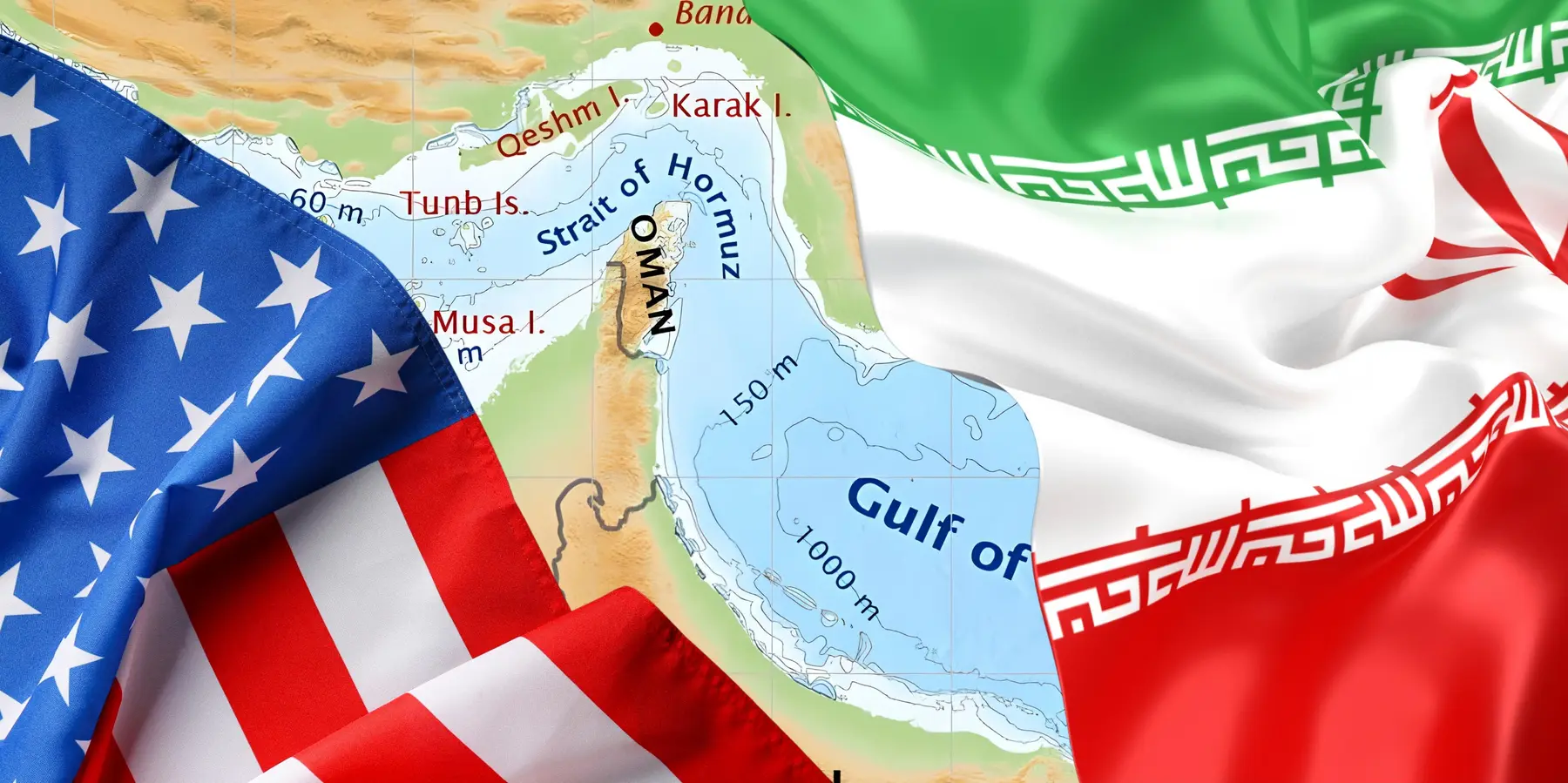
Two major issues continue to dominate discussions: the U.S. naval blockade of Iran and Tehran’s ongoing closure of the Strait of Hormuz. The waterway is critical to global energy markets, historically accounting for around 20% of worldwide oil supply flows.
While Trump previously considered reopening the strait through military action, the proposal received limited support from key allies, complicating efforts for a coordinated response.
US Rejects Iran Control Over Shipping Route
Marco Rubio emphasized that the United States will not accept Iranian control over passage through Hormuz. He dismissed proposals that would allow Tehran to charge tolls for vessels crossing the route, including suggestions that payments could be made using cryptocurrency.
Pressure Mounts on Iran’s Oil Industry
Scott Bessent warned that Iran’s oil sector is facing severe strain under the U.S. blockade. He stated that oil production could soon collapse as exports remain restricted and storage capacity reaches its limits.
The blockade is effectively preventing Iran from exporting crude, leading to mounting financial losses. U.S. officials estimate that the restrictions are costing Iran approximately $500 million per day in lost revenue.