Trump Delays Iran Strikes Amid Ongoing Talks
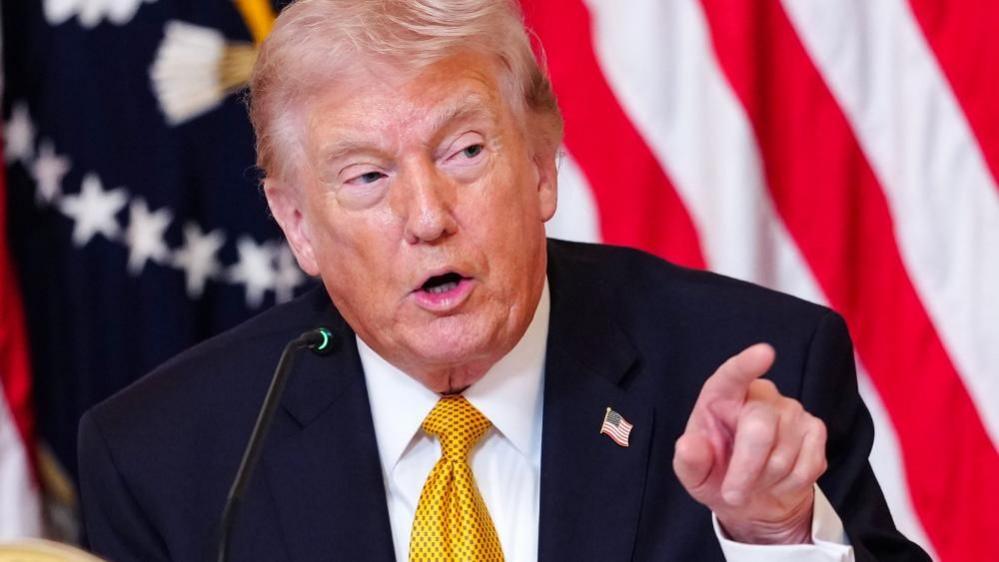
Donald Trump announced on Monday that he has instructed the Pentagon to postpone planned military strikes on Iranian power plants and energy infrastructure for five days. The move comes as diplomatic efforts continue between Washington and Tehran.
“Productive” Talks Raise Hopes for Agreement
Trump said the decision followed what he described as “very good” and “productive” discussions over the past two days. He noted that ongoing negotiations throughout the week will determine whether further military action is necessary.
According to the president, the delay reflects the constructive tone of recent conversations and leaves room for a potential resolution to the conflict.
Oil Prices Could Drop Sharply if Deal Is Reached
Speaking to reporters, Trump expressed confidence that oil prices would fall significantly if an agreement is finalized. He emphasized the administration’s goal of increasing oil supply, stating that the U.S. wants to see as much oil as possible available in global markets.
Strait of Hormuz Remains Central to Negotiations
Trump also addressed the status of the Strait of Hormuz, a key global shipping corridor through which around 20% of the world’s oil supply passes.
He suggested the waterway could soon reopen under joint control, although he stopped short of providing firm guarantees.
US-Iran Communication and Key Figures Involved
The president indicated that further discussions with Iran would continue via phone, involving U.S. representatives such as Steve Witkoff and Jared Kushner.
Trump also stated that the U.S. is in contact with a senior Iranian figure, though not the country’s Supreme Leader. He added that Iran had initiated the discussions and expressed a strong desire to reach an agreement.
US Demands and Strategic Objectives
Trump outlined Washington’s core demands, including preventing Iran from acquiring nuclear weapons or advancing uranium enrichment capabilities. He also noted that Israel—engaged in coordinated operations with the U.S.—would support the outcome of any agreement.
Iran Rejects Claims of Negotiations
Iranian officials denied that any talks are taking place. According to the New York Times, Iran’s foreign ministry described Trump’s statements as an attempt to ease energy market pressures while buying time for military planning.
Both the Fars News Agency and Tasnim News Agency reported that there have been no direct or indirect communications with the United States, with some officials labeling the claims as “psychological warfare.”
Rising Tensions Around the Strait of Hormuz
Trump had previously warned Iran to reopen the Strait of Hormuz or face air strikes. Tehran rejected the ultimatum, stating the route would remain closed if its energy infrastructure were targeted.
Iran’s Revolutionary Guards also threatened retaliatory strikes on Israeli power facilities and infrastructure supporting U.S. bases across the region.
Markets React to De-Escalation Signals
Financial markets responded positively to the developments. Wall Street stocks rallied, with the S&P 500 rising around 2.1%.
Oil prices also declined, with Brent crude falling below $100 per barrel after trading above that level in recent days. Meanwhile, U.S. Treasury yields dropped, gold trimmed earlier losses, and the U.S. dollar weakened.