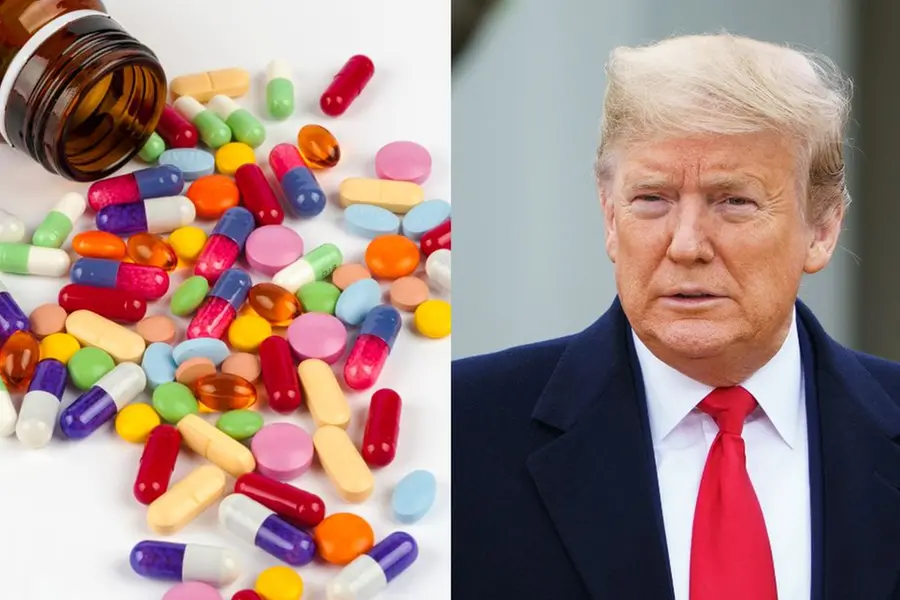
U.S. President Donald Trump on Monday signed an executive order aimed at ramping up domestic pharmaceutical manufacturing and warned that new import tariffs on the sector are imminent.
The order is designed to accelerate approvals for new pharmaceutical plants within the U.S., directing the Food and Drug Administration to streamline its review process and collaborate closely with manufacturers to quickly expand production capacity.
Additionally, the Environmental Protection Agency has been instructed to expedite the construction of new facilities.
This move is part of Trump’s ongoing efforts to strengthen domestic drug manufacturing. He also announced plans to implement tariffs on imported pharmaceuticals within the next two weeks, following investigations launched earlier this year to assess potential trade measures.
Trump has argued that America’s dependence on foreign-made pharmaceuticals poses a national security threat, citing the country’s heavy reliance on imported medicines.
Such tariffs could pose serious challenges for the pharmaceutical industry, as the U.S. imports over $200 billion worth of prescription drugs each year. European drugmakers, along with pharmaceutical producers in India and medical equipment manufacturers in China, are expected to be among the hardest hit.
In response to the looming tariffs, several major pharmaceutical firms—including Roche, Novartis, Eli Lilly, and Johnson & Johnson—have recently announced new investments to expand their U.S. production facilities.
On Tuesday, shares of Eli Lilly and Pfizer dipped slightly in U.S. premarket trading, while Johnson & Johnson’s stock remained mostly unchanged. Meanwhile, several Indian drugmakers with significant exposure to the U.S. market also saw declines.
Trump’s tariff warning marks the latest move in his assertive trade agenda. On Sunday, he also threatened to slap 100% tariffs on foreign-made films.